

Last updated: September 6, 2026
For women seeking natural breast enhancement, the long-term outlook just became clearer.
What Does the 15-Year Study on Natural Breast Augmentation Reveal?
Stem cell-enriched fat grafting produces durable, satisfying breast enhancement results sustained over 15 years. The research, published in a peer-reviewed journal, was authored by Robert J.
How Was the Study Designed and What Did It Measure?
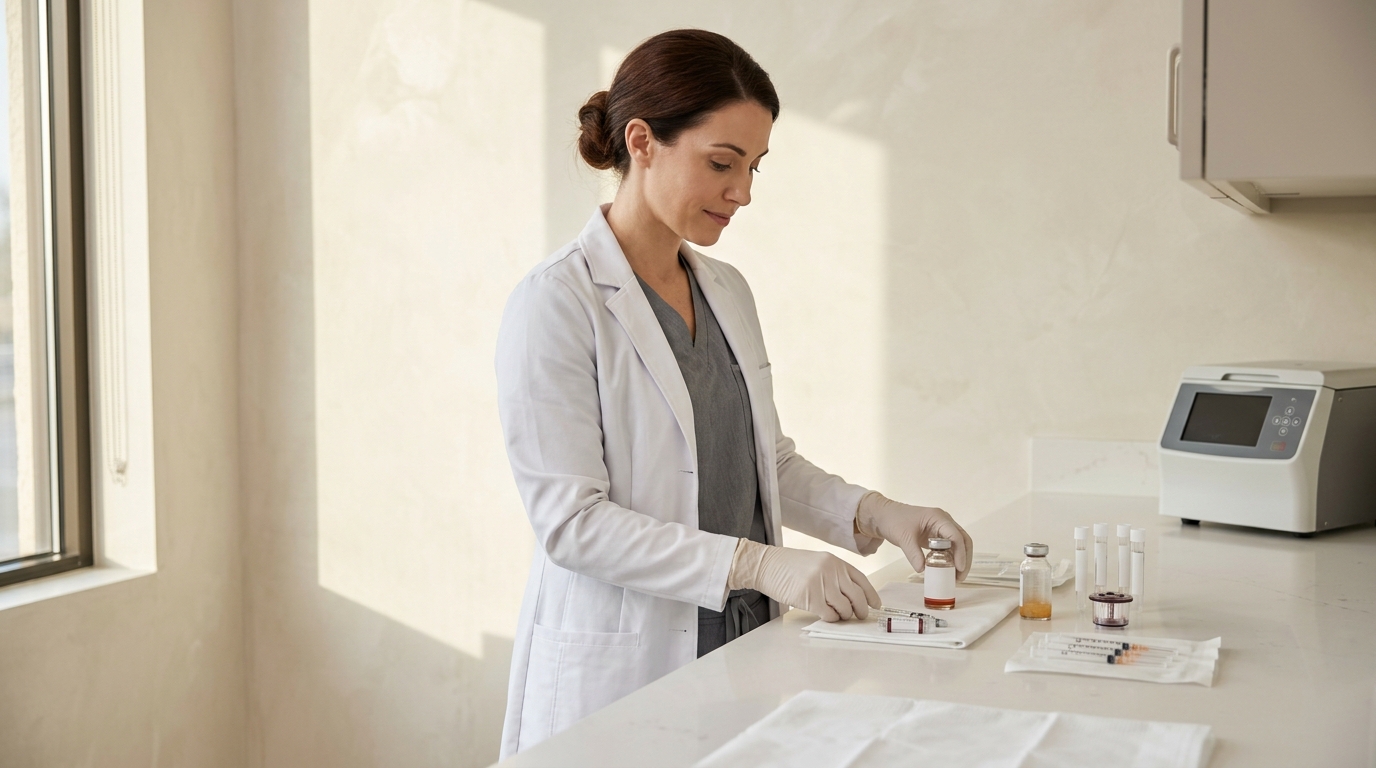
Researchers examined consecutive women (n = 118) who requested breast fat grafting using centrifugation-filtration processing combined with platelet-rich plasma and autologous adipose-derived stem cell enrichment. The study measured patient satisfaction, complication rates, volume retention, and the number of procedures required to achieve optimal outcomes. Primary augmentation accounted for 65.8% of indications, with the remaining cases involving implant removal, mammoplasty, or implant exchange procedures.
How Does Stem Cell-Enriched Fat Grafting Work for Breast Enhancement?
Stem cell-enriched fat grafting harvests the patient’s own adipose tissue and processes it to concentrate regenerative cells before injecting it into the breasts. This technique aims to improve fat survival and integration compared to traditional fat transfer methods, addressing historical concerns about unpredictable absorption rates that have limited wider adoption of this approach.
Where Does the Fat Come From?
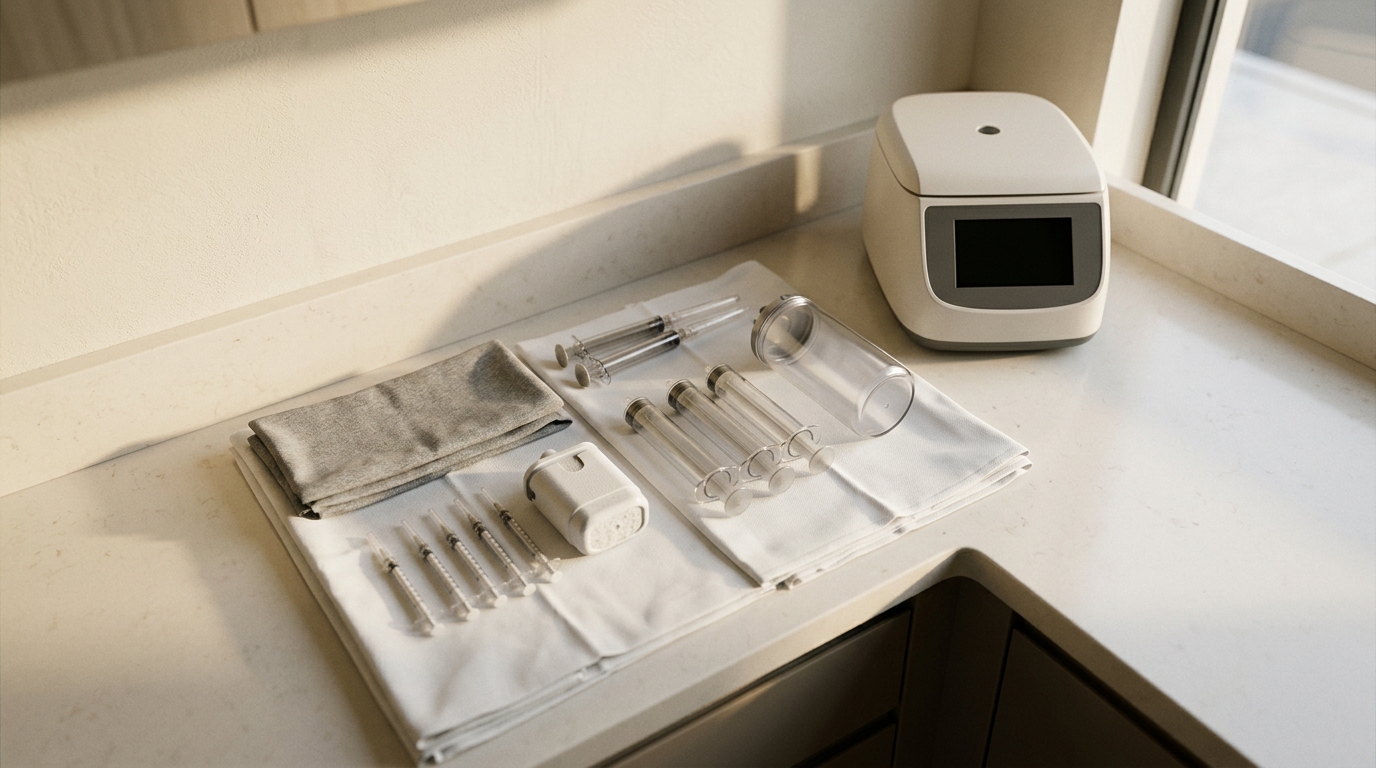
The fat is harvested through gentle liposuction from areas where it naturally accumulates, such as the abdomen, thighs, or flanks. This provides a dual benefit: contouring the donor site while collecting viable tissue for transfer. The harvested fat is then processed using centrifugation-filtration to separate and purify the adipose tissue before enrichment and injection.
What Role Do Stem Cells Play in the Results?
Adipose-derived stem cells are concentrated and combined with platelet-rich plasma during processing. These regenerative cells support tissue healing and may improve fat graft survival by promoting new blood vessel formation and reducing inflammation at the recipient site. The enrichment step aims to create a more favorable environment for the transferred fat cells to establish themselves long-term.
What Are the Long-Term Benefits of Natural Breast Augmentation?
Fat transfer breast enhancement offers lasting results using the patient’s own tissue, eliminating concerns about implant maintenance or replacement. The 15-year data demonstrates sustained patient satisfaction, with most individuals requiring only a single procedure. This approach also provides body contouring benefits at the harvest site, creating a more comprehensive aesthetic outcome.
How Does Natural Augmentation Address Lost Breast Volume?
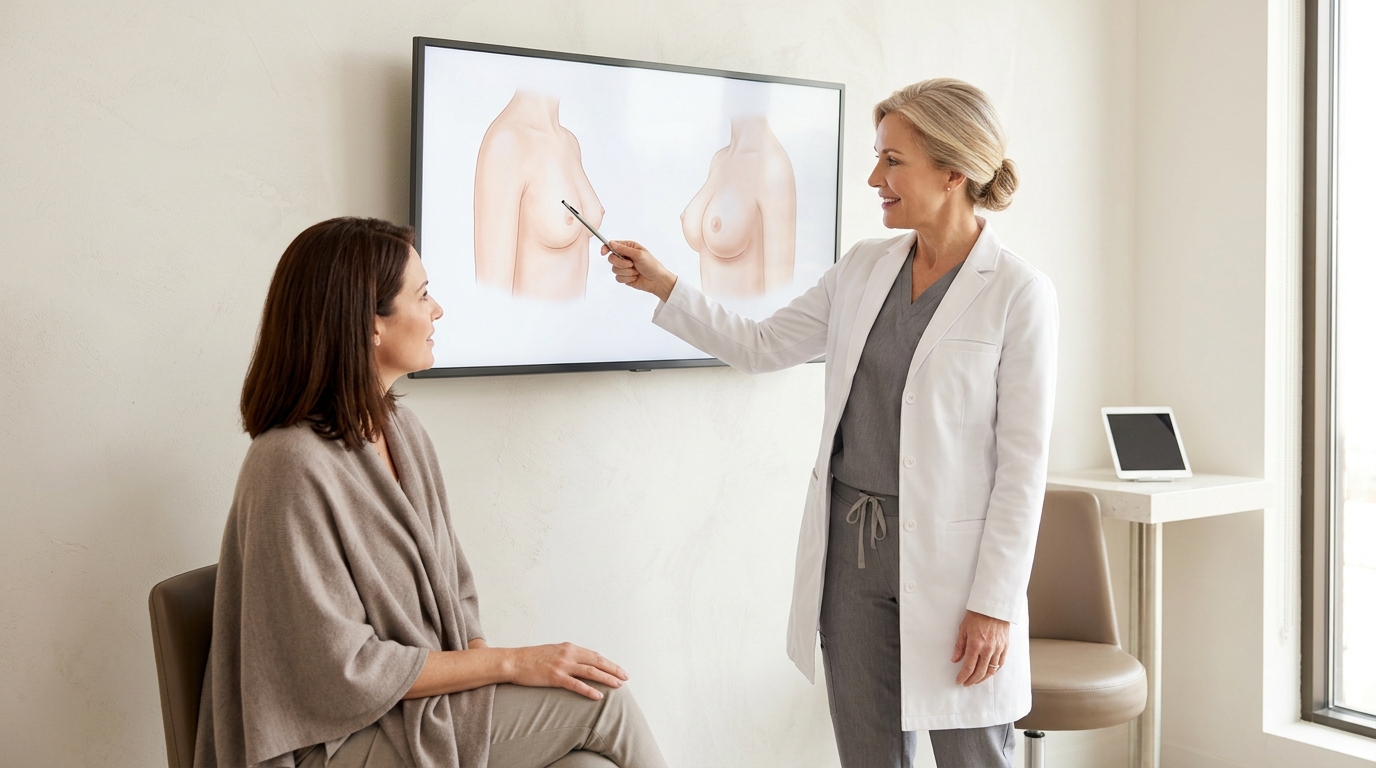
Women experiencing deflated breasts after weight loss, pregnancy, or breastfeeding can restore lost breast volume through targeted fat transfer. The mean volume per breast of purified, enriched fat grafted in the study ranged from 192 to 206 cubic centimeters, providing meaningful enhancement without the contours of synthetic implants.
Can This Approach Help with Breast Asymmetry?
Breast asymmetry is a common concern that fat transfer can address precisely because the procedure allows for customized volume in each breast.
Who Is an Ideal Candidate for Natural Breast Augmentation?
Ideal candidates for autologous breast augmentation are women seeking modest enhancement who prefer avoiding implants. The approach works well for those with good skin elasticity, adequate donor fat reserves, and realistic expectations about achievable results. Candidates should be in good overall health and non-smokers, as these factors support optimal healing and fat integration.
Does This Work for Women with Deflated Breasts After Pregnancy?
Post-pregnancy changes often leave women with reduced breast volume and skin that has stretched. Fat transfer can restore lost breast volume while the surrounding tissue accommodates the new contour. Many women find this approach appealing because it uses their own body tissue rather than introducing foreign materials.
Is It Suitable for Mild Breast Sag?
For women with mild breast sag, fat transfer can provide subtle lifting and volume restoration that improves overall breast shape. However, significant ptosis may require a combined approach with skin tightening procedures. During consultation, your provider will assess the degree of laxity and recommend the most appropriate technique for your goals.
What Can Patients Expect During Recovery?
Recovery from natural breast augmentation typically involves mild swelling and bruising at both the harvest and recipient sites. Most patients manage discomfort with over-the-counter pain relief and are encouraged to wear a supportive garment during the initial healing phase. Following post-procedure guidelines helps optimize results and comfort.
How Soon Can Normal Activities Resume?
Most patients return to light daily activities within a few days and can resume exercise after two to three weeks, depending on the extent of liposuction performed. Your provider will give specific guidance based on your procedure details, gradually increasing activity levels as healing progresses.
When Will Final Results Be Visible?
While some improvement is apparent immediately, final results develop over several months as the transferred fat establishes its blood supply and swelling resolves completely. The majority of volume stabilization occurs within the first three to six months, with continued subtle refinement thereafter. For a closer look at fat transfer breast augmentation before and after, learn how breast shape and volume change during healing.
Risks, Side Effects and Who Is Not a Candidate
Common side effects include temporary swelling, bruising, and soreness at both harvest and injection sites. Palpable fibrotic areas occurred in 3.4% of cases, though no instances of breast oil cyst formation were observed.
Patients dissatisfied with outcomes in the study were primarily those with insufficient breast volume or complications such as infection. Women with unrealistic expectations about size increase, insufficient donor fat, or active breast disease should not pursue this procedure. Those considering fat transfer breast enhancement should discuss all risks and their complete medical history with a qualified provider.
To explore whether natural breast augmentation with fat transfer is right for you, schedule a consultation at Vip MediSpa. Our team welcomes women from Milwaukie, Portland, Lake Oswego, and surrounding Oregon communities to discuss their enhancement goals. Contact Vip MediSpa today to learn more about your options for this technique.
Frequently Asked Questions
How long do natural breast augmentation results last?
Fat transfer breast enhancement results using stem cell-enriched fat grafting are designed to be permanent and durable. Once the transferred fat establishes its blood supply, it becomes a permanent part of the breast tissue.
What is stem cell-enriched fat grafting for breast enhancement?
Stem cell-enriched fat grafting is a natural breast augmentation technique that harvests a patient’s own adipose tissue through gentle liposuction, processes it using centrifugation-filtration, and enriches it with platelet-rich plasma and adipose-derived stem cells before injecting into the breasts. The stem cells support tissue healing and improve fat graft survival by promoting new blood vessel formation at the recipient site.
Who is a good candidate for natural breast augmentation?
Ideal candidates for natural breast augmentation are women seeking modest breast enhancement who prefer avoiding implants. Good candidates have healthy skin elasticity, adequate donor fat reserves in areas like the abdomen or thighs, realistic expectations about achievable results, and are in good overall health. This approach works well for women with deflated breasts after pregnancy or weight loss.
What volume increase can patients expect from fat transfer breast augmentation?
The study reported a mean volume per breast of 192 to 206 cubic centimeters of purified, enriched fat grafted during the procedure. This provides meaningful enhancement without the contours of synthetic implants, making it suitable for women seeking modest to moderate increases in breast size.
What is the recovery process after natural breast augmentation?
Recovery involves mild swelling and bruising at both the harvest and recipient sites, managed with over-the-counter pain relief and supportive garments. Most patients return to light daily activities within a few days and can resume exercise after two to three weeks. Final results develop over several months as swelling resolves and the transferred fat establishes its blood supply.
What are the benefits of using stem cell-enriched fat transfer for breast augmentation?
Stem cell-enriched fat grafting offers several benefits including lasting enhancement using the patient’s own tissue, eliminating implant maintenance concerns. The technique provides dual body contouring by harvesting fat from areas like the abdomen or thighs while enhancing the breasts. The 15-year data demonstrates sustained patient satisfaction with most individuals requiring only a single procedure.
Can fat transfer address breast asymmetry and post-pregnancy breast changes?
Yes, fat transfer can precisely address breast asymmetry because the procedure allows for customized volume in each breast. The technique also works well for women with deflated breasts after pregnancy, restoring lost volume using the patient’s own body tissue rather than introducing foreign materials.
Related reading
- Natural Breast Augmentation in Portland: A Guide to Fat Transfer
- Fat grafting procedures use harvested body fat to add natural volume
- Fat transfer breast augmentation offers a natural alternative
This article is general information and is not medical advice. Talk to a licensed clinician about your own situation before making a treatment decision.






