Last updated: November 21, 2026
At VIP MediSpa in Portland, we offer underarm laser hair removal for people who want less frequent shaving. Treatment takes multiple visits, and we assess your hair and skin to plan suitable settings and discuss realistic results.
What Is Underarm Laser Hair Removal, and How Does It Work?
Underarm laser hair removal directs concentrated light at pigment in hair within the follicle. The absorbed light becomes heat that damages the follicle and reduces future growth. Because hairs are not all at the same growth stage, meaningful reduction generally requires a series of visits rather than a single treatment.

How Does the Laser Target Hair Follicles?
Hair and skin color both matter. We select settings to treat pigmented hair while limiting heat absorbed by the surrounding skin, consistent with the American Society of Plastic Surgeons’ explanation of laser hair removal.
What Equipment Does VIP MediSpa Use?
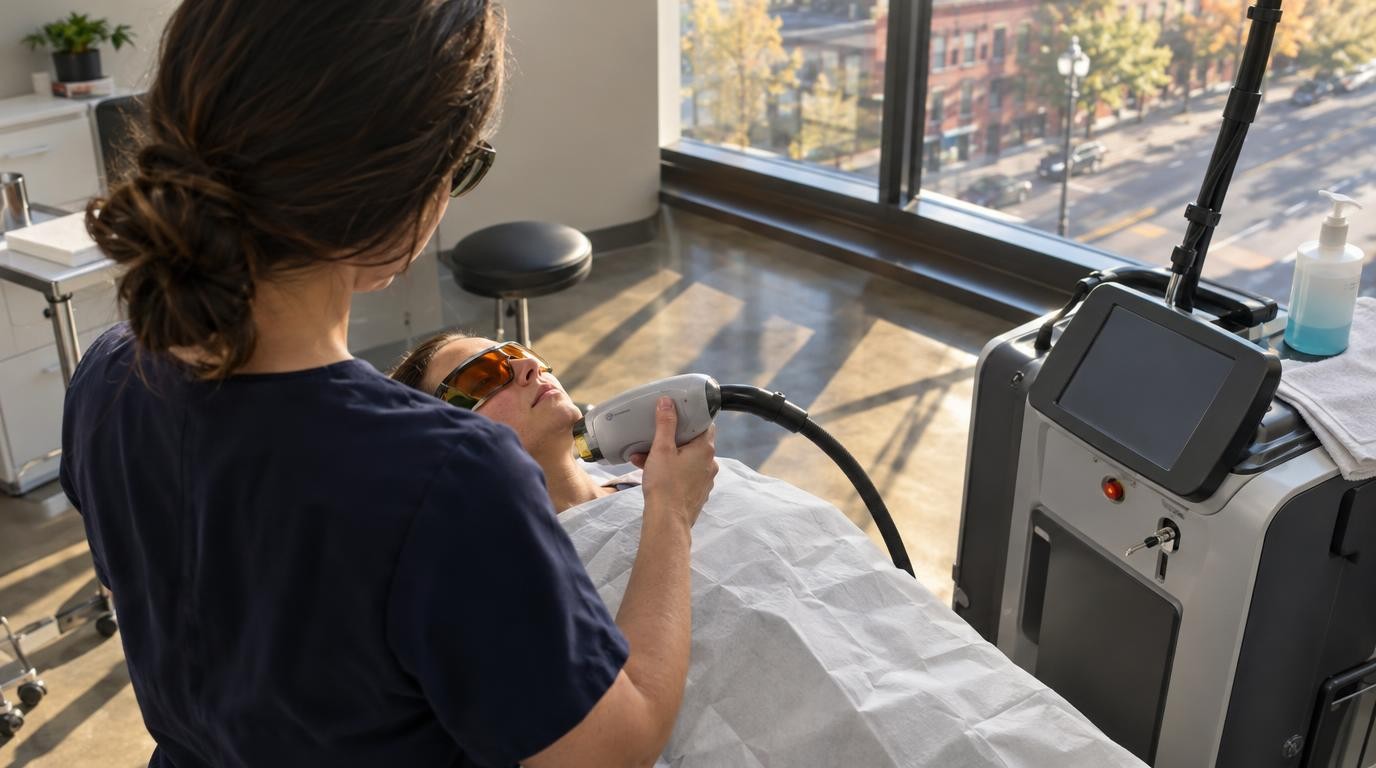
At VIP MediSpa in Portland, Oregon, we use a Candela GentleMax Pro system for laser hair removal treatment. Our team selects settings based on skin color, hair color and thickness, the treatment area, and the energy appropriate for that assessment. A device name alone cannot predict an individual result.
What Are the Benefits of Underarm Laser Hair Removal?
The main benefit of underarm laser hair removal is less unwanted hair over time, which can mean less frequent shaving. Laser energy can precisely target pigmented hairs in the treatment area. For someone whose underarms develop razor bumps or ingrown hairs after shaving, reducing hair growth may also reduce those shaving-related problems. Laser treatment does not guarantee completely smooth skin or resolve every cause of inflamed follicles.
Can Underarm Laser Hair Removal Help With Ingrown Hairs and Razor Bumps?
Yes, when bumps are linked to shaving, reducing the hair that needs to be shaved can help. The American Academy of Dermatology’s guide to hair removal notes that frequent shaving can irritate skin and cause ingrown hairs. Bumps that persist even when you are not shaving may have a cause other than ingrown hairs.
Who Is a Good Candidate for Underarm Laser Hair Removal?
Adults with darker underarm hair generally have a clearer target for laser hair removal, especially when the hair contrasts with the surrounding skin. Light-colored hair may respond poorly because it contains less pigment for the laser to target. Skin tone does not automatically rule out treatment, but wavelength and settings need an individual assessment.
Does Hair Color or Skin Tone Affect Underarm Laser Results?
Yes. The American Academy of Dermatology notes that lasers cannot effectively target blonde, white, gray, or red hair. Darker hair is generally easier to target, while greater pigment in the surrounding skin calls for particular care in treatment planning.
Readers comparing methods for fine or light facial hair may find our guide to professional and at-home facial hair removal useful, though facial hair and underarm hair need separate assessments.
What Should Patients With More Pigmented Skin Ask About Laser Wavelength?
People with more pigmented skin can have laser hair removal when the operator has experience treating their skin tone and chooses settings that protect the surrounding skin. Longer-wavelength options, such as Nd:YAG, may be considered for more pigmented skin. That does not mean one wavelength is right for every patient or that a device’s brand determines safety or effectiveness.
What Happens Before and During an Underarm Laser Session?
Before treatment, we review your medical history and discuss benefits, risks, and realistic expectations. We then assess your underarms, confirm that the area has been prepared, and deliver laser pulses with eye protection in place. The American Society of Plastic Surgeons’ step-by-step guide gives a general laser-treatment time of a few minutes to an hour depending on the area; the length of your underarm appointment depends on your individual treatment.
- We assess your skin color and the color and thickness of your underarm hair to select settings.
- Arrive with the area shaved, rather than waxed or plucked.
- Everyone in the room wears protective eyewear during treatment. The laser pulses may feel like warm pinpricks or a snapping sensation.
Should You Shave Before Underarm Laser Hair Removal?
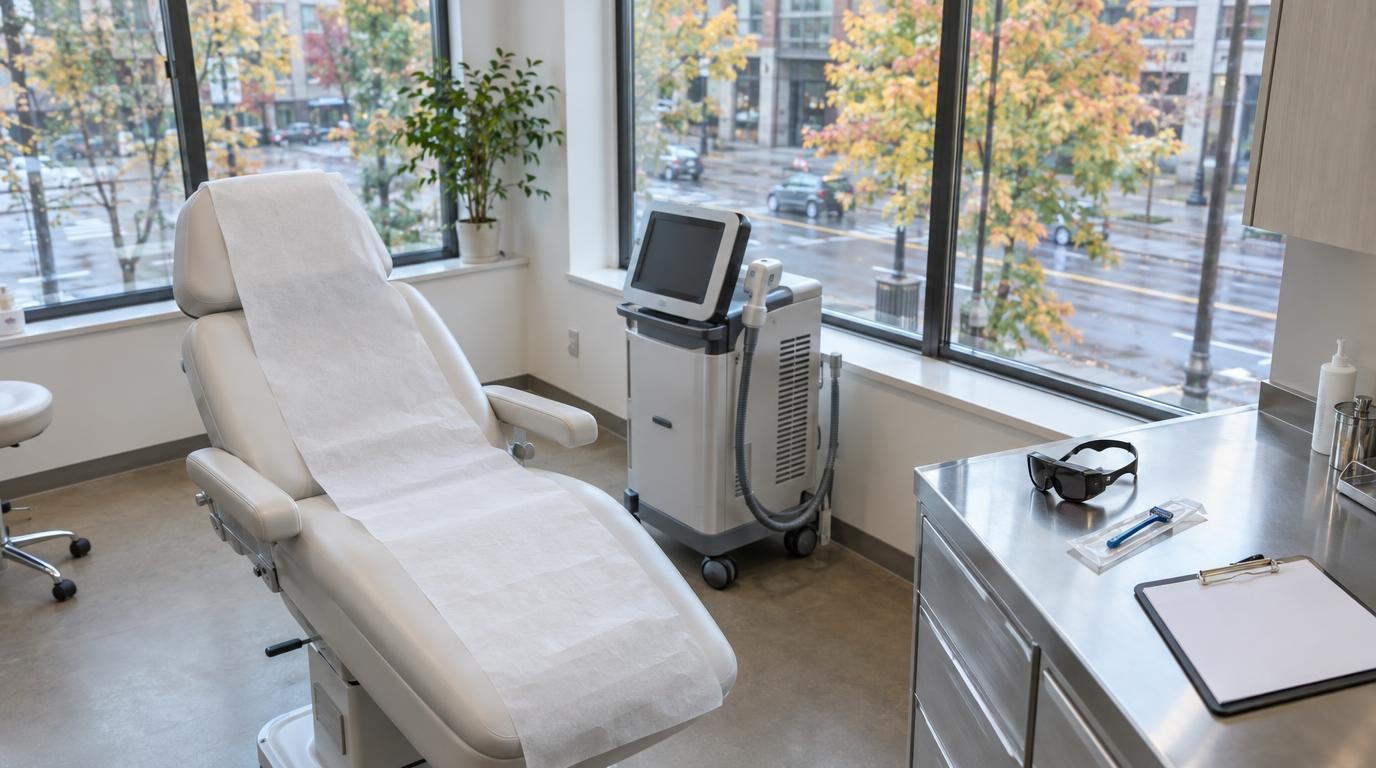
Yes. Samuel Lin, MD, and Eric Shiah, BA, recommend shaving within 24 hours before treatment in their guide for the American Society of Plastic Surgeons. Shaving leaves hair in the follicle for the laser to target while reducing surface stubble, which can burn during treatment and increase discomfort. The American Society of Plastic Surgeons also advises stopping waxing or plucking four to six weeks beforehand. We ask you to avoid threading and sugaring, too, because they pull hair from the follicle.
Why Are Several Sessions Needed?
Hair cycles through growing, resting, and transitional stages, so not every underarm hair is treatable at the same visit. The American Academy of Dermatology’s laser hair removal FAQs say most patients need 2 to 6 treatments. At VIP MediSpa, we generally recommend spacing sessions 4 to 8 weeks apart; your course may differ.
What Is Recovery Like After Underarm Laser Hair Removal?
Underarm skin may look red or pink, with temporary swelling around follicles after laser treatment. At VIP MediSpa, those changes usually settle within 12 to 24 hours; the American Academy of Dermatology notes that common redness, swelling, and discomfort can last 1 to 3 days. Most people can return to ordinary activities promptly despite these symptoms. A cool compress can ease discomfort; avoid rubbing tender skin and follow your aftercare instructions.
For treated skin that may be exposed, VIP MediSpa recommends SPF 30+ sunscreen and avoiding direct sun for at least one week. Continue using sunscreen on exposed treated skin and avoid sunlight as much as possible over the next month, as the American Society of Plastic Surgeons advises. Do not use tanning beds, sun lamps, or other indoor tanning equipment after treatment.
What Happens if I Shave 2 Days After Laser?
There is no universal shaving rule based solely on the calendar. If your skin has settled, gentle shaving may be possible; if the underarm is still tender, red, or irritated, wait and avoid scraping it with a razor. Follow the instructions from the clinician who treated your skin.
When Can I Use Deodorant After Underarm Laser Hair Removal?
For a nonablative treatment, VIP MediSpa recommends waiting 2 to 3 hours before applying deodorant. If the area remains sensitive, follow your clinician’s specific instructions before using a product that may sting.
What Results Can You Expect From Underarm Laser Hair Removal?
Expect a gradual, long-term reduction in underarm hair rather than guaranteed removal of every hair. Some patients notice a change early, while others need more sessions before regrowth looks different. Hair thickness, color, skin characteristics, and treatment response affect the outcome, and occasional maintenance treatment may be useful.
Can Laser Remove Unwanted Hair Permanently?
Yes, an adequate course can permanently disable some underarm follicles, but it cannot guarantee that every hair will be gone for good. The American Academy of Dermatology says laser hair removal can be permanent on most body areas after six or more treatments; the American Society of Plastic Surgeons cautions that some hair can resist treatment or regrow, so maintenance may be needed. At VIP MediSpa, our typical expectation is 80% to 90% reduction across a treatment plan, not a promise for an individual patient or a single session. For a visual discussion of results, see our before-and-after photo gallery; another person’s photos cannot predict your outcome.
When Will Underarm Hair Start to Look Less Noticeable?
Some VIP MediSpa patients notice a change after their first treatment; others notice it after their third session. Treated hairs do not necessarily disappear immediately: Lin and Shiah’s article on the American Society of Plastic Surgeons site explains that affected hairs can take days to weeks to shed. Early visible hair can therefore be shedding rather than new growth.
What Are the Risks, Side Effects, and Reasons to Delay Treatment?
Temporary redness and swelling are common after laser hair removal. Other possible complications include burns, blistering, crusting, pigment changes, scarring, and changes in skin texture. A tan or unsuitable settings can increase the risk of a burn.
Can Underarm Laser Light Reach Lymph Nodes or Organs?
Underarm treatment targets hair follicles in the skin. Because the laser light penetrates only a limited depth, it is not expected to reach or be absorbed by deeper lymph nodes or organs.
How Do Tanning and Skin Tone Affect Laser Safety?
A tan adds pigment that can absorb laser energy at the skin surface, increasing the risk of a burn. The American Society of Plastic Surgeons’ safety guidance advises waiting until a tan has faded and notes that pigment changes can occur, particularly in darker skin. More pigmented skin needs appropriately chosen settings, not a blanket assumption that treatment is unsuitable.
What Should You Tell Your Clinician Before Treatment?
Tell your clinician if your underarm skin is tanned, irritated, or recovering from another treatment, and disclose topical retinoids used in the area. The clinician can determine whether treatment should proceed or be postponed. Contact the treating team promptly if you develop blistering or worsening pain; seek urgent care for severe symptoms or any change in vision. Discuss your personal risks and suitability with your own clinician before treatment.
How Does Underarm Laser Hair Removal Compare With Shaving or Waxing?
Shaving cuts hair at the surface for short-lived results, waxing pulls it out for temporary removal, and laser treatment takes multiple visits for longer-lasting reduction:
| Method | How it works | Upkeep and considerations |
|---|---|---|
| Shaving | Cuts hair at the skin surface | May be needed daily or every few days; frequent shaving can irritate skin or cause ingrown hairs. |
| Waxing | Pulls hair from the follicle | Provides temporary removal but must be stopped before laser treatment. |
| Underarm laser hair removal | Uses light absorbed by pigment in hair to reduce future growth | Requires a series of sessions; results may last months or years, with occasional maintenance. |
Why Avoid Waxing Between Laser Sessions?
Waxing removes the pigmented hair from the follicle that the laser needs to target. The same concern applies to threading and sugaring. Shaving leaves the follicle available for treatment, making it the more suitable way to manage visible hair between sessions when your skin has recovered enough to shave comfortably.
Frequently Asked Questions
Can a Celebrity’s Facial Baby-Hair Removal Predict My Underarm Results?
No. We cannot verify how a celebrity removed her facial baby hairs, and we would not guess. Fine, light facial hair may respond differently from thicker, pigmented underarm hair, so we assess your own treatment area rather than use someone else’s appearance to predict your results.
Why Does Everyone Wear Protective Eyewear During Treatment?
Laser light can injure eyes. We require everyone in the treatment room to wear appropriate protective eyewear while the laser is in use.
Can I use numbing cream for underarm laser hair removal?
Yes, topical anesthetic may be offered to reduce discomfort during underarm laser hair removal. Lin and Shiah’s article on the American Society of Plastic Surgeons site notes that it may be applied 20-30 minutes before treatment and recommends it for sensitive areas such as the underarms. Use only a product recommended by your treating team.
Can Men Have Underarm Laser Hair Removal?
Yes. We can treat unwanted underarm hair regardless of gender. We first assess whether your hair and skin are suitable for treatment and discuss what results are realistic for you.
How much underarm hair reduction can I expect after one session?
The American Academy of Dermatology says patients can expect a 10% to 25% hair reduction after the first laser treatment, though individual results vary. This is not a guaranteed underarm-specific result. Hair color, thickness, skin color, and laser type all affect the outcome, so assess progress across your treatment plan.
Can underarm laser hair removal help with hidradenitis suppurativa?
It may help reduce hidradenitis suppurativa flare-ups, but it is not a substitute for a treatment plan from a dermatologist. The American Academy of Dermatology notes that studies have shown fewer flare-ups with laser hair removal. Recurring painful underarm lumps are not necessarily ordinary ingrown hairs.
Can I have underarm laser hair removal if I have a spray tan?
Wait until your spray tan has faded before underarm laser hair removal. The American Society of Plastic Surgeons includes spray tans in its advice to postpone treatment until a tan fades: pigment on the skin can absorb laser light and reduce treatment effectiveness.
How Can You Decide Whether Underarm Laser Hair Removal Is Right for You?
Decide based on your hair color, skin phototype, tolerance for a series of visits, and expectations for reduction rather than complete removal. A useful consultation should explain the proposed wavelength and settings, visit spacing, precautions, and likely limitations for your hair. The result should be an individualized plan, not an outcome guarantee.
Before booking, bring these questions:
- Is there enough contrast between my underarm hair and skin for effective targeting?
- Which wavelength and settings suit my skin phototype and hair?
- How will visits be spaced, and when might maintenance make sense?
- What should I avoid before treatment, and which skin changes should I report afterward?
- What degree of hair reduction is realistic for me?
If you are considering underarm laser hair removal in Portland or traveling from Vancouver, Washington, contact VIP MediSpa for an individualized consultation at (503) 513-5533. Our Portland team works under the medical direction of Dr. Max Grishkevich, MD, founder and Medical Director, and can help you weigh suitability, preparation, and realistic results.
This information is general and is not medical advice. Talk to a licensed clinician about your own situation before making a treatment decision.
About the doctor at Vip MediSpa
Dr. Max Grishkevich, MD – Founder and Medical Director of VIP MediSpa; aesthetic physician and member of the American Academy of Cosmetic Surgery.