Last updated: September 12, 2026
This institutional research marks a significant milestone for PRP’s credibility in mainstream medicine. As one of the United States’ most respected medical centers, Mayo Clinic’s commitment to studying platelet-rich plasma validates what practitioners have observed in clinical settings: that this therapy offers genuine potential for patients seeking non-surgical solutions for skin rejuvenation and hair restoration.
For more information, visit the Mayo Clinic’s official platelet-rich plasma research page at https://www.mayoclinic.org/.
Why Is Mayo Clinic Conducting PRP Clinical Trials Right Now?
Researchers are examining PRP’s potential across diverse medical fields, from orthopedics to aesthetics. The growing body of evidence supporting regenerative medicine has prompted major institutions to invest in rigorous clinical investigation, helping establish standardized protocols and evidence-based guidelines for therapeutic applications. Mayo Clinic’s research into platelet-rich plasma therapy demonstrates this commitment to evidence-based regenerative treatments.
What Specific PRP Applications Is Mayo Clinic Studying?
The trials span several domains, including hair loss treatment, meniscal repair augmentation, erectile dysfunction, and genitourinary syndrome of menopause in breast cancer survivors. Mayo Clinic researchers are specifically investigating how PRP isolated from a patient’s own blood may support tissue healing and regeneration in these various contexts. Each trial follows rigorous protocols to assess both safety and efficacy, contributing to a growing body of evidence around PRP’s clinical applications.
How Does Mayo Clinic’s Research Validate PRP Therapy?
When a top-tier institution like Mayo Clinic dedicates resources to studying a treatment, it signals that the therapy has moved beyond experimental curiosity into serious medical inquiry. For patients in Tigard and throughout the Portland, Oregon area, this institutional validation provides confidence that platelet-rich plasma represents a legitimate therapeutic option backed by scientific rigor.
What Can Mayo Clinic’s PRP Hair Loss Trials Tell Us?
Mayo Clinic’s hair loss trials aim to determine whether concentrated platelets from the patient’s own blood can meaningfully stimulate hair follicle activity and promote regrowth in areas of thinning. Early-phase research focuses on safety profiles and optimal dosing protocols before larger efficacy studies commence.
How Does PRP Therapy Work for Hair Regrowth?
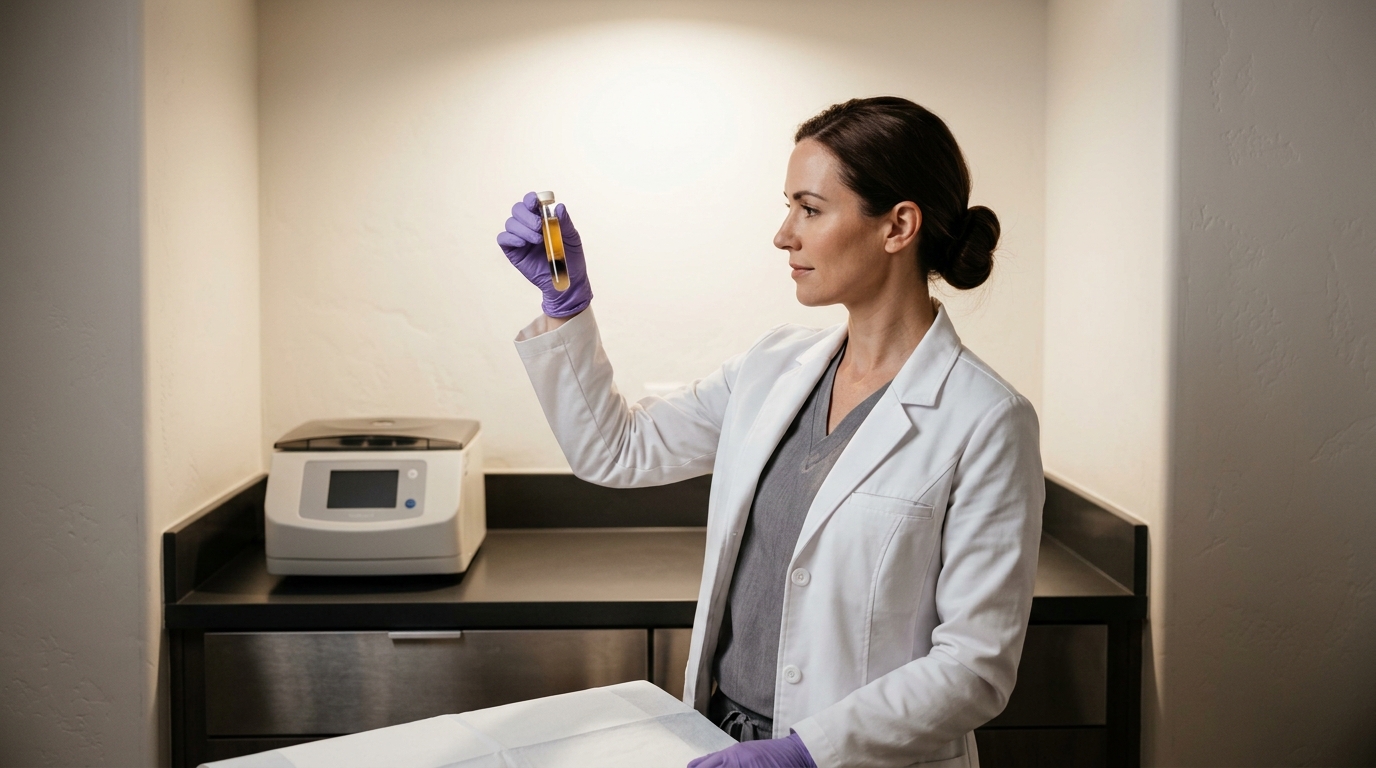
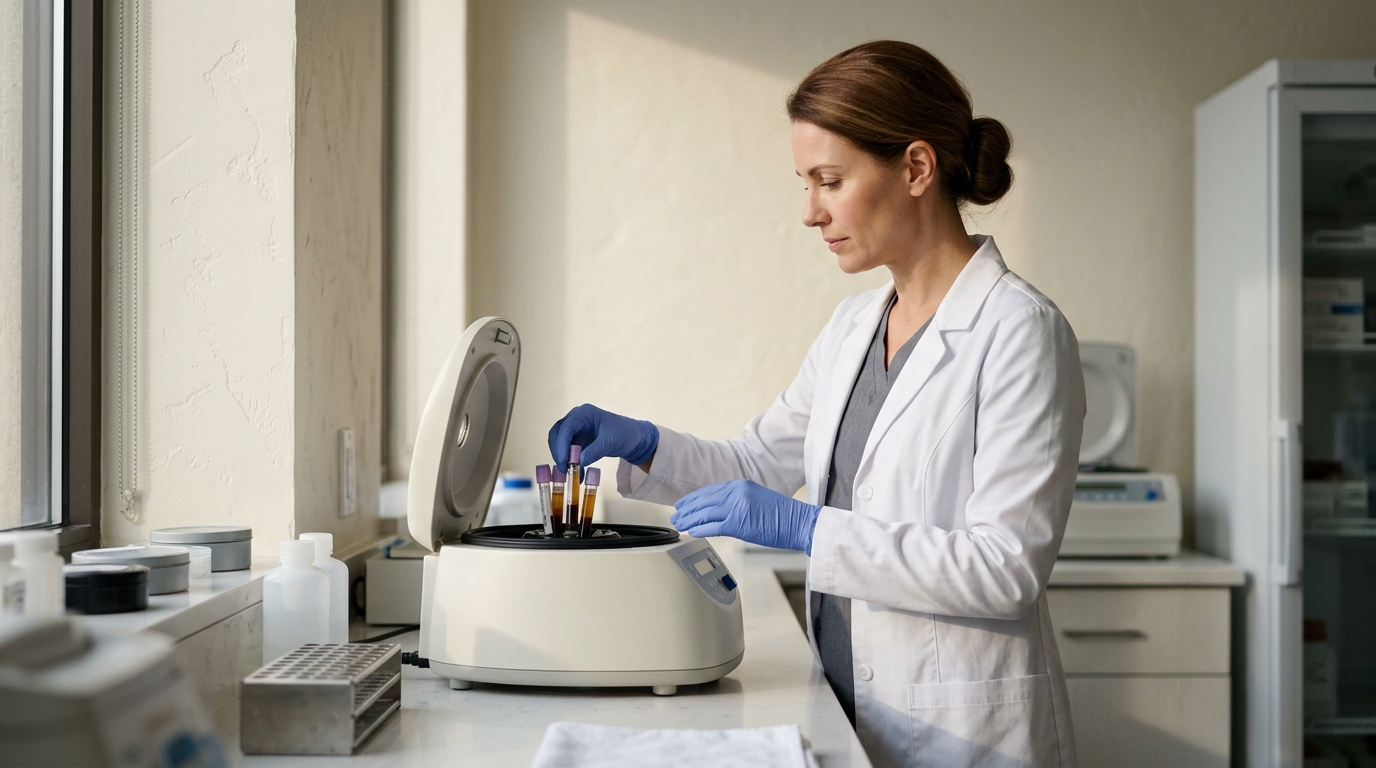
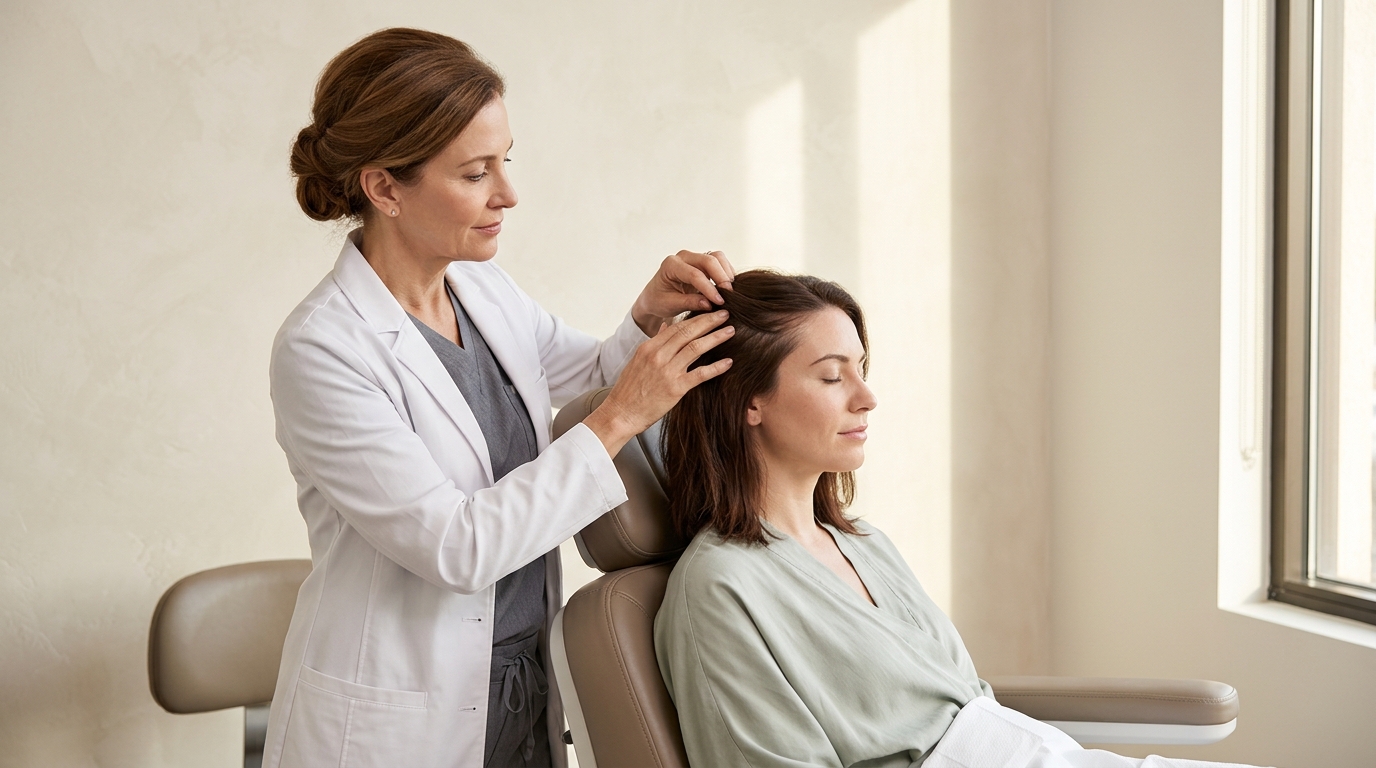
PRP therapy for hair loss involves drawing a small blood sample, processing it in a centrifuge to isolate platelet-rich plasma, and then injecting that concentrate into the scalp where hair thinning is occurring. Platelets contain growth factors that may awaken dormant hair follicles, extend the growth phase of existing hair, and support the development of new hair strands. Patients typically require multiple sessions spaced several weeks apart, with maintenance treatments recommended to sustain results. For those exploring complementary approaches, Vip MediSpa’s platelet-rich plasma service page provides detailed information about treatment protocols.
What Does Current Research Say About PRP for Hair Thinning?
Clinical observations suggest that PRP may benefit individuals experiencing early-stage hair thinning, particularly when hair follicles remain present but have become miniaturized. The therapy appears most effective for patients whose hair loss is recent, as dormant follicles respond better than those that have been inactive for extended periods.
What Other PRP Applications Are Under Clinical Study?
Beyond aesthetics and hair restoration, researchers are exploring PRP’s regenerative potential across numerous medical specialties. Current trials include investigations into tendinopathy, osteoarthritis management, and wound healing applications, reflecting the broad therapeutic potential of concentrated growth factors.
Is PRP Being Studied for Skin Rejuvenation?
PRP’s application for skin rejuvenation leverages the same biological mechanisms that make it promising for hair regrowth. Growth factors released from activated platelets can stimulate collagen production, accelerate cell turnover, and improve skin texture and firmness. While skin-focused trials are ongoing, practitioners have increasingly incorporated platelet-rich plasma into anti-aging protocols, sometimes combining it with treatments like microneedling to enhance absorption and results. Patients in the Portland area seeking solutions for fine lines, dull skin, and uneven texture may find PRP offers a complementary approach to their skincare regimen.
What Do Meniscus and Genitourinary Trials Reveal About PRP?
Mayo Clinic’s research portfolio includes trials examining PRP for meniscal repair, where the therapy may support healing after knee injuries, and genitourinary syndrome in breast cancer survivors experiencing treatment-related symptoms. These diverse applications underscore that platelet-rich plasma’s mechanism – harnessing the body’s own healing potential – extends well beyond cosmetic concerns. For men and women throughout Lake Oswego, Beaverton, and surrounding communities, ongoing research continues to define PRP’s role in both aesthetic and restorative medicine.
What Should Tigard Patients Take Away From This Research?
Mayo Clinic’s active investigation of platelet-rich plasma therapy validates what experienced practitioners have observed: this treatment offers meaningful potential for appropriate candidates seeking non-surgical approaches to hair loss and skin rejuvenation.
For patients in Tigard, Portland, Milwaukie, and neighboring communities, this research provides reassurance when considering PRP for hair loss or skin rejuvenation. Choosing a provider who combines clinical expertise with a thorough understanding of individual patient needs remains essential. Vip MediSpa offers consultations where interested individuals can discuss whether platelet-rich plasma aligns with their specific goals and receive personalized recommendations based on their unique circumstances.
Risks, Side Effects and Who Is Not a Candidate
Like any injectable treatment, PRP carries potential risks that patients should understand before proceeding. Common side effects include temporary redness, swelling, bruising at injection sites, and mild discomfort during or after the procedure. These effects typically resolve within days as the treated area heals.
Patients with certain medical conditions should avoid platelet-rich plasma therapy or discuss alternatives with their healthcare provider. Contraindications may include active infections, blood disorders affecting platelet function, cancer, pregnancy, or use of blood-thinning medications. Individuals with autoimmune conditions or those receiving immunosuppressive therapy may not be suitable candidates. A thorough medical history review during consultation helps ensure PRP is appropriate for each patient’s situation.
Patients should discuss all medications, supplements, and health conditions with their provider before treatment. While platelet-rich plasma uses the patient’s own blood to minimize allergic reaction risk, individual responses vary, and results cannot be guaranteed. Those with realistic expectations and good overall health typically experience the best outcomes.
To determine whether PRP therapy suits your needs, schedule a consultation at Vip MediSpa. Our team will evaluate your concerns, review your health history, and help you understand what platelet-rich plasma may – and may not – achieve for your specific goals.
Frequently Asked Questions
What are Mayo Clinic’s PRP clinical trials studying?
These rigorous trials assess both safety and efficacy while building scientific evidence for PRP’s clinical applications. Researchers are examining how a patient’s own isolated platelets may support tissue healing and regeneration.
How does PRP therapy work for hair loss?
PRP therapy for hair loss involves drawing a small blood sample, processing it in a centrifuge to isolate platelet-rich plasma, and injecting that concentrate into areas of the scalp experiencing thinning. The concentrated platelets contain growth factors that may awaken dormant hair follicles, extend the growth phase of existing hair, and support the development of new hair strands.
How many PRP sessions are typically needed for hair loss treatment?
Patients typically require multiple PRP sessions spaced several weeks apart for hair loss treatment, with maintenance treatments recommended to sustain results. The exact number of initial sessions and maintenance frequency varies based on individual response and severity of hair loss.
What are the common side effects of PRP therapy?
Common side effects include temporary redness, swelling, bruising at injection sites, and mild discomfort during or after the procedure. These effects typically resolve within days as the treated area heals. Since PRP uses the patient’s own blood, allergic reactions are minimized, though individual responses vary and results cannot be guaranteed.
Who should not receive PRP treatment?
Patients with active infections, blood disorders affecting platelet function, cancer, or pregnancy should avoid PRP therapy. Those using blood-thinning medications, individuals with autoimmune conditions, and patients receiving immunosuppressive therapy may not be suitable candidates. A thorough medical history review during consultation helps ensure PRP is appropriate for each patient’s situation.
What are the benefits of PRP for skin rejuvenation?
Growth factors released from activated platelets can stimulate collagen production, accelerate cell turnover, and improve skin texture and firmness. Practitioners often combine PRP with treatments like microneedling to enhance absorption and results, making it effective for addressing fine lines, dull skin, and uneven texture as a complementary approach to anti-aging protocols.
This article is general information and is not medical advice. Talk to a licensed clinician about your own situation before making a treatment decision.