Last updated: September 20, 2026
Vip MediSpa is monitoring a significant shift in how leading medical institutions approach platelet-rich plasma therapy. This development matters for anyone in the Vancouver and Portland areas considering Mayo Clinic’s PRP therapy, as institutional research like Mayo Clinic’s helps separate evidence-backed applications from wellness trends. The growing body of clinical data may soon expand what PRP can realistically address.
Why Is Mayo Clinic Now Running PRP Clinical Trials?
Mayo Clinic’s trials represent a significant shift from PRP’s origins in sports medicine to broader clinical applications being studied by a top-tier medical institution.
What Are the Current Mayo Clinic PRP Trials Targeting?
Mayo Clinic trials span several focus areas: meniscal repair comparison studies, genitourinary syndrome in female breast cancer survivors, erectile dysfunction support, and hair loss treatment. The institution’s active recruitment for these trials indicates confidence in PRP’s potential mechanisms and safety profile warranting rigorous study.
Why Does Institutional Validation Matter for PRP Patients?
Institutional validation helps guide clinical practice standards and gives patients greater confidence in treatment approaches that emerge from evidence-based protocols.
What Conditions Are Mayo Clinic’s PRP Trials Treating?
Mayo Clinic’s active PRP trials target conditions beyond traditional cosmetic uses, examining the therapy’s applications in orthopedics and sexual medicine. These trials include comparison studies against surgical interventions and placebo treatments, establishing rigorous evidence standards for outcomes.
How Is PRP Being Studied for Meniscus Repair?
One Mayo Clinic trial compares bone marrow venting procedure against platelet-rich plasma injections for meniscal repair, evaluating which approach better supports tissue healing. This orthobiologic research positions PRP as a potential alternative or complement to surgical intervention for joint injuries common in active adults throughout the Portland metropolitan area.
What Role Does PRP Play in Sexual Medicine Research?
Mayo Clinic trials examining genitourinary syndrome and erectile dysfunction represent emerging applications for PRP in sexual medicine. These studies investigate whether PRP’s growth factor composition can support tissue regeneration in intimate health contexts, an area where treatment options remain limited for many patients.
How Does PRP Therapy Work for Skin and Hair Applications?
PRP therapy harnesses the body’s own platelet-derived growth factors to stimulate cellular repair and regeneration. In skin rejuvenation, concentrated platelets are injected or applied with microneedling to trigger collagen production and accelerate tissue renewal, addressing concerns like fine lines, uneven texture, and dullness that accumulate over years of sun exposure and natural aging.
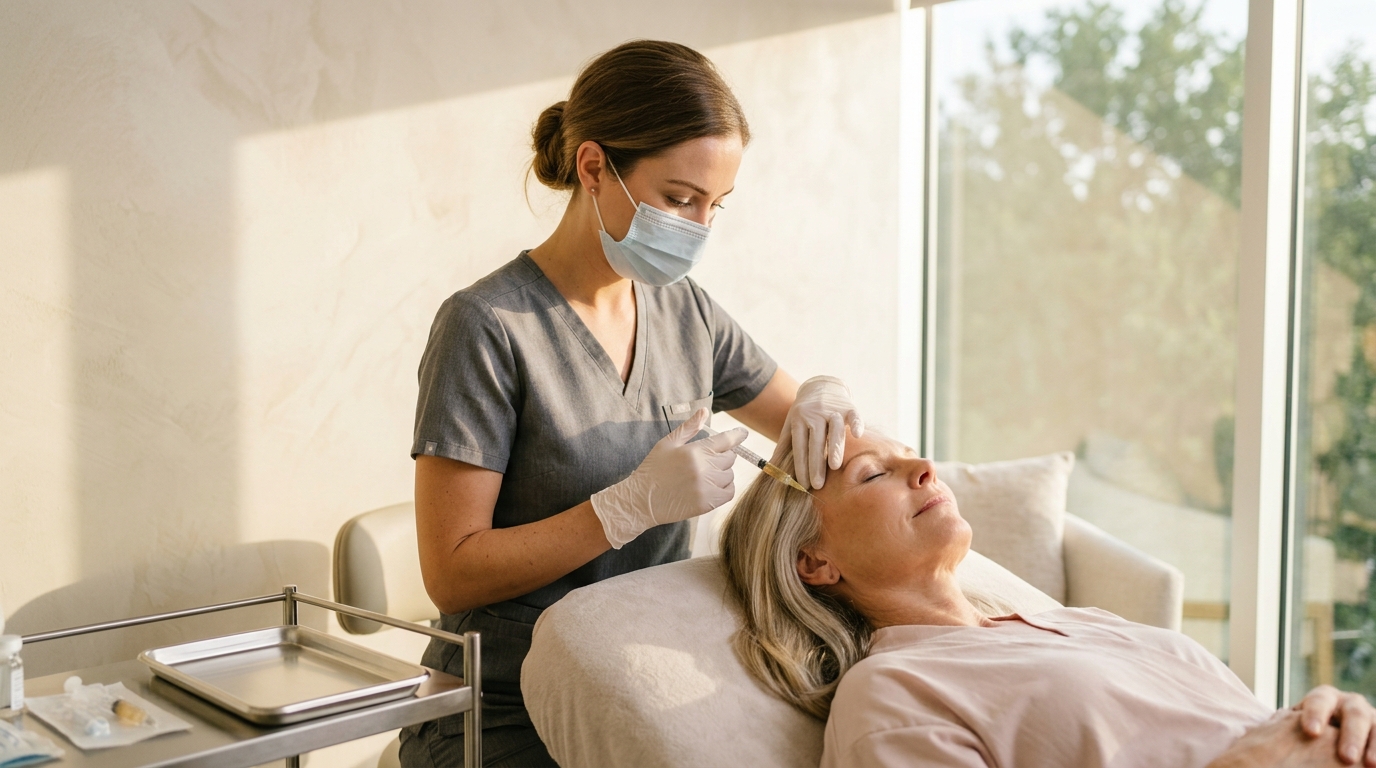
What Happens During a PRP Skin Rejuvenation Session?
A PRP session begins with a small blood draw, followed by centrifugation to separate platelet-rich plasma from other blood components. The concentrated PRP is then strategically injected into targeted areas or applied topically during microneedling to maximize absorption. This approach supports natural skin healing processes without introducing foreign substances.
How Does PRP Support Hair Growth and Scalp Health?
For hair restoration, PRP is injected into the scalp where growth factors may stimulate dormant hair follicles and improve blood supply to existing hair. Patients with early-stage hair thinning often pursue this approach to support scalp health and potentially slow further loss, complementing other hair restoration strategies.
What Makes Medical-Grade PRP Different From Wellness Treatments?
Medical-grade PRP undergoes specialized preparation protocols designed to achieve optimal platelet concentration and purity for clinical applications. The distinction lies in preparation standards, concentration levels, and clinical oversight that distinguish evidence-based treatment from basic centrifuge protocols used in non-clinical settings.
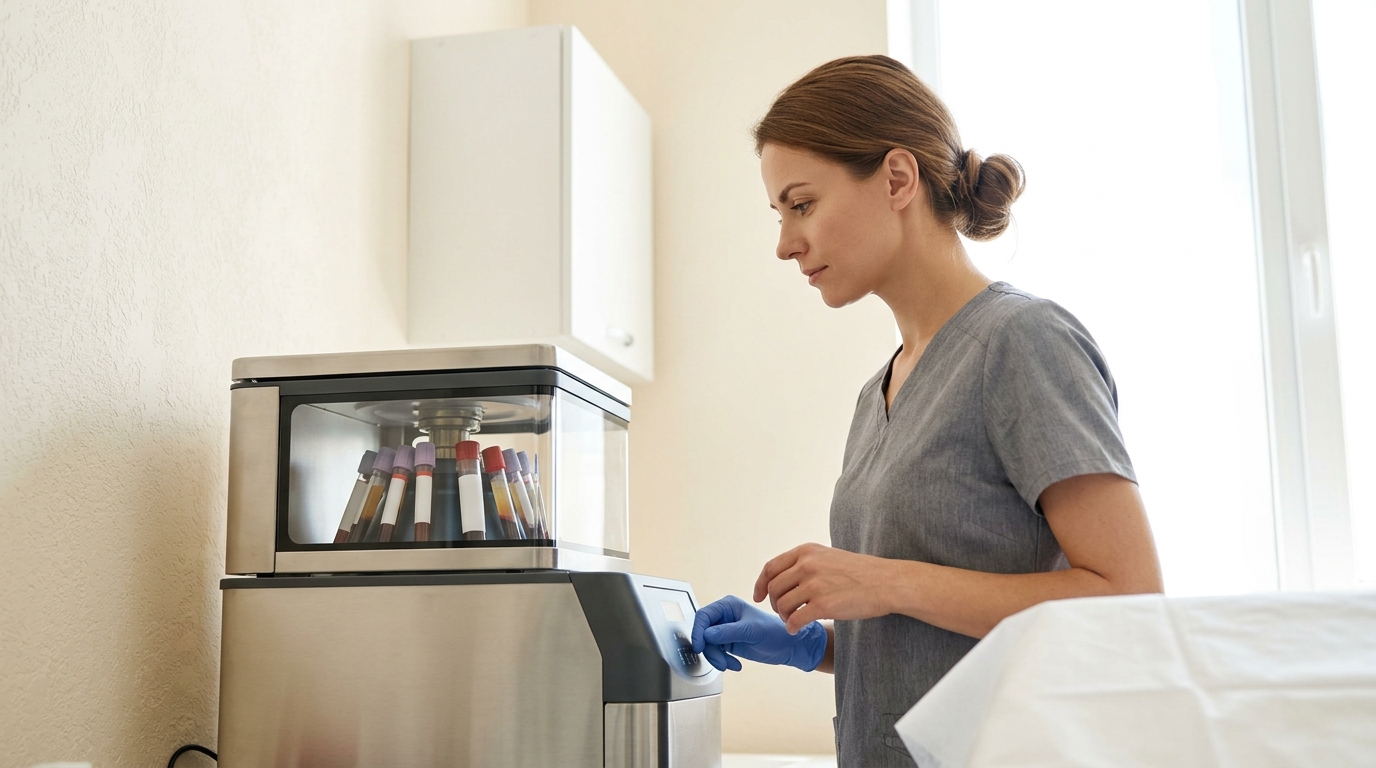
How Is PRP Prepared for Clinical Applications?
Clinical-grade preparation involves precise blood collection, specialized centrifugation protocols, and careful handling to maintain platelet viability. The process separates red blood cells while preserving the highest concentration of growth-factor-rich platelets possible, creating the injectable solution used in medical treatments.
What New PRP Applications Are Emerging From Clinical Research?
Emerging PRP research extends beyond traditional dermatology into genitourinary and sexual medicine applications, areas where treatment options have historically been limited. Mayo Clinic trials evaluating PRP for these conditions reflect growing medical interest in regenerative approaches that support tissue health without surgery or long-term medication.
Can PRP Help With Genitourinary Syndrome and Intimate Health?
Mayo Clinic is studying PRP for genitourinary syndrome in female breast cancer survivors, a condition affecting vaginal tissue health and comfort. This research explores whether PRP injections can support tissue regeneration in intimate health contexts where patients often have few treatment alternatives.
How Is PRP Being Evaluated for Erectile Dysfunction Support?
Mayo Clinic’s research addresses a common concern for aging men while maintaining appropriate scientific skepticism about outcomes that remain under investigation.
Risks, Side Effects and Who Is Not a Candidate
PRP injections carry common side effects including injection site pain, swelling, redness, and bruising that typically resolve within days. More rare risks include infection, nerve injury, or tissue damage at the injection site. Patients with blood disorders, active infections, cancer, or who are pregnant should not receive PRP treatments. Discuss any treatment with your clinician to determine whether PRP is appropriate for your individual health circumstances and medical history.
Vip MediSpa offers platelet-rich plasma therapy for residents throughout the Vancouver and Portland areas, including Lake Oswego, Beaverton, and Happy Valley. The clinic’s medical team can evaluate whether PRP therapy aligns with your skin rejuvenation, hair restoration, or other treatment goals during a personalized consultation. Contact Vip MediSpa to schedule an appointment and explore how medical-grade PRP applications might support your wellness objectives.
Frequently Asked Questions
What conditions is Mayo Clinic currently studying PRP therapy for?
The trials include meniscal repair comparison studies, genitourinary syndrome in female breast cancer survivors, erectile dysfunction support, and hair loss treatment. The trials represent a significant expansion from PRP’s origins in sports medicine to broader clinical applications.
How does PRP therapy work for skin rejuvenation?
PRP therapy harnesses the body’s own platelet-derived growth factors to stimulate cellular repair and regeneration. Concentrated platelets are injected or applied with microneedling to trigger collagen production and accelerate tissue renewal. This addresses fine lines, uneven texture, and dullness from sun exposure and natural aging without introducing foreign substances.
What happens during a PRP skin rejuvenation session?
A PRP session begins with a small blood draw, followed by centrifugation to separate platelet-rich plasma from other blood components. The concentrated PRP is strategically injected into targeted areas or applied topically during microneedling to maximize absorption. This approach supports natural skin healing processes without introducing foreign substances.
What makes medical-grade PRP different from wellness treatments?
Medical-grade PRP undergoes specialized preparation protocols designed to achieve optimal platelet concentration and purity for clinical applications. The distinction lies in preparation standards, concentration levels, and clinical oversight that distinguish evidence-based treatment from basic centrifuge protocols used in non-clinical settings.
Who should not receive PRP injections?
Patients with blood disorders, active infections, cancer, or who are pregnant should not receive PRP treatments. Those with certain medical conditions should discuss any treatment with their clinician to determine whether PRP is appropriate for their individual health circumstances and medical history before proceeding.
What side effects can occur after PRP injections?
Common side effects include injection site pain, swelling, redness, and bruising that typically resolve within days. More rare risks include infection, nerve injury, or tissue damage at the injection site. Most side effects are temporary and resolve with proper aftercare.
How is PRP being evaluated for meniscus repair?
Mayo Clinic is comparing bone marrow venting procedure against platelet-rich plasma injections for meniscal repair, evaluating which approach better supports tissue healing. This orthobiologic research positions PRP as a potential alternative or complement to surgical intervention for joint injuries common in active adults.
Related reading
- What Mayo Clinic PRP Trials Mean for Your Treatment Goals
- Can Laser Skin Resurfacing Tighten Loose Skin?
- DOT CO2 fractional laser therapy uses dermal optical thermolysis
This article is general information and is not medical advice. Talk to a licensed clinician about your own situation before making a treatment decision.