Last updated: September 18, 2026
This remarkable growth reflects increasing acceptance of non-surgical anti-aging solutions among adults of all ages, as well as expanding recognition of Botox’s therapeutic benefits. For Portland-area residents in communities like Lake Oswego, Beaverton, and Happy Valley, understanding what drives this demand and what the treatment involves can help inform confident decisions about whether Botox aligns with their personal goals.
Why Is the Botox Market Growing So Quickly?
Botox procedures are experiencing unprecedented demand as the treatment evolves beyond cosmetic wrinkle reduction into a versatile tool for both aesthetic enhancement and medical therapy. Technological advances in injection techniques have also improved patient outcomes and satisfaction rates, while social factors such as video conferencing and heightened self-awareness have accelerated interest in facial rejuvenation. Patients in the Portland metropolitan area, including those from West Linn, Tigard, and Vancouver, Washington, increasingly view Botox as a routine part of their self-care regimen rather than an extraordinary measure.
What Does the $13.74 Billion Market Projection Mean for Patients?
The projected growth reflects a treatment category that has proven its staying power through decades of clinical use and continuous innovation. As demand rises, patients benefit from greater provider expertise, more treatment options, and increasingly refined techniques tailored to individual facial structures. The expansion of both cosmetic and therapeutic applications means that Botox now serves a wider patient population than ever before.
What Factors Are Driving Rising Demand for Botox?
Several factors contribute to this growth trajectory. Minimally invasive procedures align with preferences for treatments that fit busy lifestyles without significant recovery time. Additionally, positive word-of-mouth experiences and visible results on social platforms have normalized Botox for younger demographics exploring preventative approaches.
What Is Botox and How Does It Work?
Botox is a purified protein derived from botulinum toxin type A, administered in tiny, controlled doses to target specific muscles beneath the skin. The treatment temporarily blocks nerve signals that cause muscle contractions, allowing overactive muscles to relax and smoothing the appearance of lines and wrinkles formed by repetitive facial expressions. Results develop gradually over several days and typically last three to four months, after which muscle activity gradually returns.
What Is Botulinum Toxin and How Is It Used Safely?
Botulinum toxin, produced by Clostridium botulinum bacteria, has been used in medical applications for over five decades. In the context of cosmetic and therapeutic use, the doses are extremely small and highly refined, bearing no resemblance to the natural toxin. Regulatory agencies have approved specific formulations for designated uses, and qualified providers receive training in proper administration, dosing, and emergency protocols.
How Does Botox Temporarily Relax Muscles?
When injected into a targeted muscle, Botox binds to nerve terminals and prevents the release of acetylcholine, a neurotransmitter responsible for muscle contraction. This neuromuscular interruption is reversible, with nerve endings gradually regenerating over weeks to months. The precision of modern injection techniques allows providers to treat specific muscles while preserving natural facial expressions.
What Are the FDA-Approved Uses of Botox?
Botox holds FDA approval for numerous cosmetic and therapeutic applications, making it one of the most versatile injectable treatments available. The cosmetic approvals focus on reducing the appearance of moderate to severe lines and wrinkles, while therapeutic approvals address medical conditions that stem from overactive muscles or glands. This dual capability explains why Botox serves such a diverse patient population.
What Cosmetic Areas Does Botox Treat?
The FDA has approved Botox for temporary improvement of glabellar lines (the vertical creases between the eyebrows), lateral canthal lines (crow’s feet), and forehead lines. These approvals reflect the treatment’s effectiveness at softening expression-related wrinkles that become more pronounced with age and sun exposure. For a closer look at Botox around eyes, learn what it can treat and where its limitations lie.
What Therapeutic Conditions Does Botox Address?
Beyond aesthetics, Botox addresses chronic migraine, overactive bladder, cervical dystonia (painful neck muscle contractions), blepharospasm (involuntary eye twitching), and upper limb spasticity. The treatment also has FDA approval for severe underarm sweating when topical agents fail to provide adequate relief.
What Areas Can Botox Treat on the Face and Body?
While forehead lines, crow’s feet, and frown lines remain the most requested areas, Botox offers solutions for numerous other facial and body concerns. Providers tailor treatment plans to each patient’s unique anatomy and goals, combining multiple areas in a single session when appropriate. The growing understanding of facial harmony has expanded the scope of what Botox can accomplish.
What Are the Most Popular Botox Treatment Areas?
Beyond the classic three areas, popular treatment sites include the nose bridge for bunny lines, the chin for dimpling, and the jawline for slimming the masseter muscle. Neck bands respond particularly well to Botox, as do gummy smiles, where the lip lifts excessively during smiling. Each area requires specific dosing and technique.
What Is a Lip Flip and How Does It Differ from Fillers?
A lip flip uses small Botox doses to relax the orbicularis oris muscle around the mouth, allowing the upper lip to roll outward slightly for the appearance of fuller lips without adding volume. Dermal fillers, by contrast, physically add hyaluronic acid beneath the skin. Patients seeking subtle enhancement often prefer the lip flip, while those wanting significant volume addition may choose fillers or combine both approaches.
What Can You Expect During a Botox Appointment?
Portland-area patients visiting practices in communities such as Milwaukie, King City, and Maywood Park can expect a streamlined experience designed for convenience and comfort. The consultation and treatment typically occur in a single visit, with minimal disruption to daily activities. Understanding the process helps first-time patients approach their appointment with confidence.
How Should You Prepare for Botox Injections?
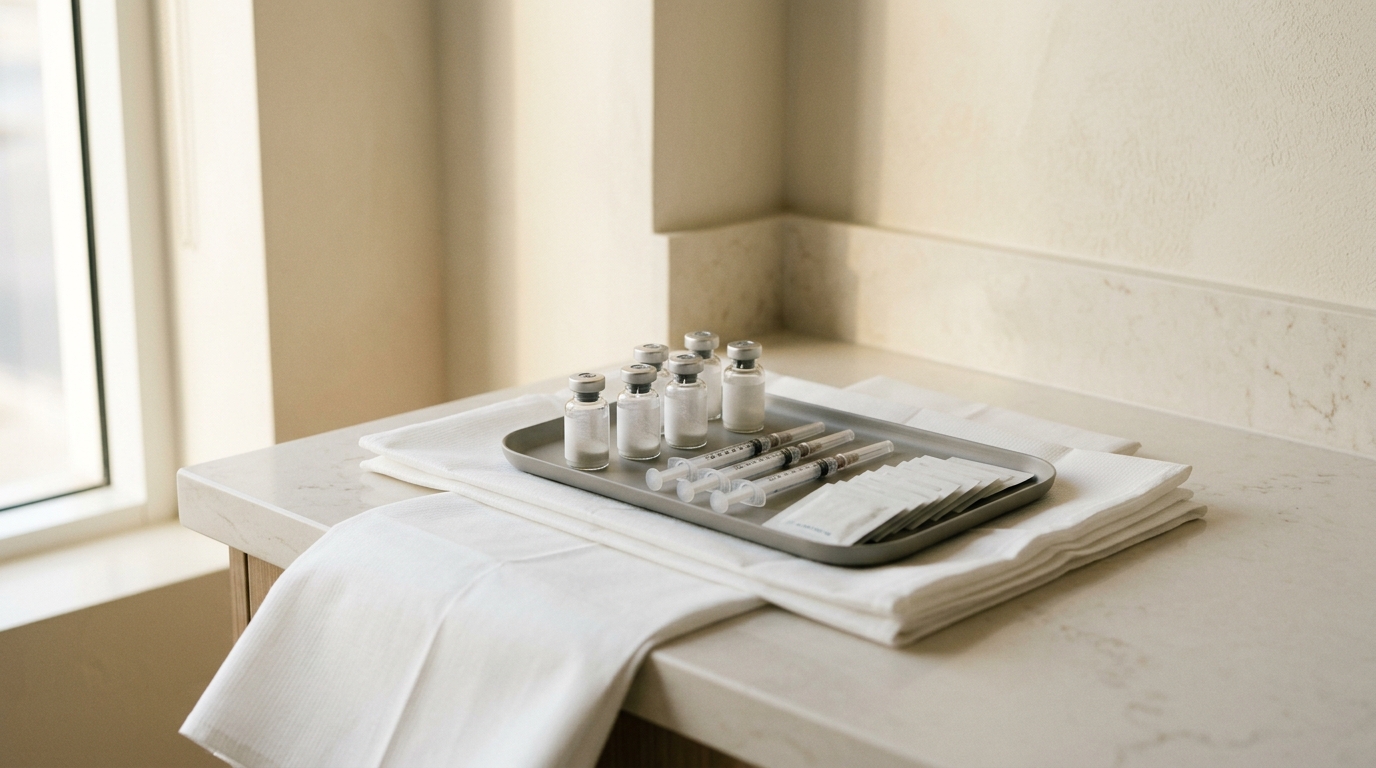
Preparation begins well before the appointment. Patients should avoid blood-thinning medications and supplements such as aspirin, ibuprofen, and vitamin E for a week prior, as these can increase bruising risk. Alcohol should be minimized for 24 hours before treatment, and strenuous exercise should be avoided on the day of injections. Those with a history of cold sores may need antiviral medication beforehand.
What Happens During the Injection Process?
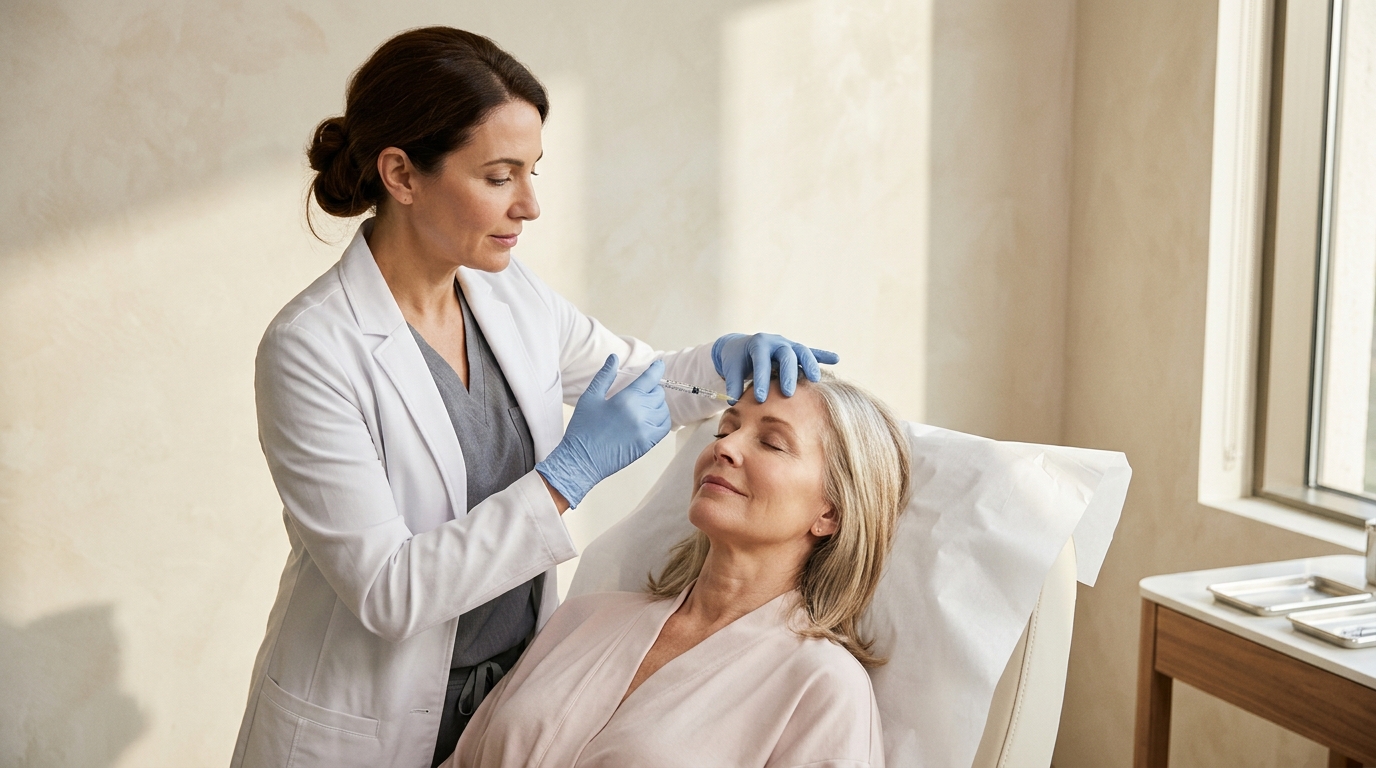
Upon arrival, the provider cleans the treatment area and marks precise injection sites. Using a fine-gauge needle, small amounts of Botox are delivered into targeted muscles. Most patients describe the sensation as a mild pinprick with minimal discomfort. The entire process takes 15 to 30 minutes depending on the number of areas treated. No anesthesia is required, though ice or topical numbing can be applied for sensitive areas.
Risks, Side Effects and Who Is Not a Candidate
Safety information for BOTOX Cosmetic, from the FDA-approved label. BOTOX Cosmetic carries a boxed warning – the FDA’s most serious warning – that toxin effects can spread beyond the injection site, causing muscle weakness and swallowing or breathing trouble that can be life-threatening; deaths have been reported. Dysport, Xeomin, Jeuveau and Daxxify carry the same class boxed warning. It is contraindicated if you are allergic to any botulinum toxin product or its components, or have infection at the injection site. Neuromuscular disorders may increase these risks. FDA-approved label
Botox carries potential risks and side effects that patients should understand before treatment. Common side effects include temporary bruising at injection sites, mild headache, and slight drooping of nearby structures if the product migrates. Serious complications are rare when experienced providers perform the treatment, but they can include difficulty swallowing or breathing if neck muscles are affected. Patients with known hypersensitivity to botulinum toxin products, active skin infections at planned injection sites, or certain neuromuscular conditions such as ALS or myasthenia gravis should not receive Botox. Pregnant or breastfeeding individuals should defer treatment. The effects of Botox may spread to areas beyond the injection site, and patients should discuss all medications and health conditions with their provider before proceeding. Anyone considering treatment should consult with a qualified clinician to determine whether Botox is appropriate for their individual circumstances.
Ready to Explore Botox for Yourself?
The rising demand for Botox reflects its proven ability to deliver natural-looking results with minimal downtime, making it an attractive option for Portland-area adults seeking to address signs of aging or certain medical concerns. Whether the goal involves softening forehead lines, reducing crow’s feet, or exploring therapeutic applications, understanding the science, applications, and process helps patients approach treatment with informed expectations. Those in Milwaukie, Lake Oswego, Happy Valley, and surrounding communities can take the next step by scheduling a consultation with the experienced team at Vip MediSpa. The practice offers personalized treatment planning to help each patient determine whether Botox aligns with their unique needs and aesthetic goals.
Frequently Asked Questions
What is Botox and how does it work?
Botox is a purified protein derived from botulinum toxin type A that temporarily blocks nerve signals causing muscle contractions. When injected into targeted muscles, it prevents the release of acetylcholine, allowing overactive muscles to relax and smoothing expression-related wrinkles. Results develop gradually over several days, and the precision of modern techniques preserves natural facial expressions.
How long do Botox results typically last?
Botox results typically last three to four months, after which muscle activity gradually returns as nerve endings regenerate. The neuromuscular interruption is reversible, with nerve terminals gradually restoring function over weeks to months. Regular maintenance treatments can help sustain the desired effects over time.
What are the FDA-approved cosmetic uses for Botox?
Botox has FDA approval for temporary improvement of moderate to severe lines and wrinkles in three cosmetic areas: glabellar lines (vertical creases between the eyebrows), lateral canthal lines (crow’s feet), and forehead lines. These approvals reflect the treatment’s effectiveness at softening expression-related wrinkles that become more pronounced with age and sun exposure.
What medical conditions does Botox treat?
Beyond cosmetic applications, Botox addresses several therapeutic conditions including chronic migraine, overactive bladder, cervical dystonia (painful neck muscle contractions), blepharospasm (involuntary eye twitching), upper limb spasticity, and severe underarm sweating when topical treatments fail. This dual cosmetic and therapeutic capability serves a diverse patient population.
How should I prepare for Botox injections?
Preparation begins well before your appointment. Avoid blood-thinning medications and supplements such as aspirin, ibuprofen, and vitamin E for one week prior to reduce bruising risk. Minimize alcohol for 24 hours before treatment and avoid strenuous exercise on the day of injections. Those with a history of cold sores may need antiviral medication beforehand.
What happens during a Botox appointment?
The consultation and treatment typically occur in a single visit lasting 15 to 30 minutes depending on areas treated. The provider cleans and marks precise injection sites before delivering small amounts of Botox using a fine-gauge needle. Most patients describe the sensation as a mild pinprick with minimal discomfort, and no anesthesia is required, though ice or topical numbing can be applied.
Who should not receive Botox treatment?
Individuals who should not receive Botox include those with hypersensitivity to botulinum toxin products, active skin infections at planned injection sites, or certain neuromuscular conditions such as ALS or myasthenia gravis. Pregnant or breastfeeding individuals should defer treatment. Discuss all medications and health conditions with your provider to determine whether Botox is appropriate for your circumstances.
Related reading
- Botox for Men: The 2026 Natural Results Trend
- Xeomin is an FDA-approved injectable treatment containing botulinum toxin
- Dysport Injections: What Portland Patients Need to Know
This article is general information and is not medical advice. Talk to a licensed clinician about your own situation before making a treatment decision.