Last updated: September 14, 2026
The med spa industry is experiencing rapid transformation as private equity platforms consolidate independent operators, creating both new opportunities and challenges for patients seeking quality treatments. For those in Portland, King City, and surrounding communities, understanding this shifting landscape can help inform smarter decisions about where to invest in skin rejuvenation. Chemical peels remain one of the most time-tested, versatile options for addressing everything from sun damage to uneven tone, but the surge in med spa options means choosing a provider wisely matters more than ever.
What Is Driving the Rise of Med Spa Treatments Like Chemical Peels?
Med spa treatments including peel procedures are growing rapidly due to strong patient demand for non-surgical aesthetic procedures, favorable market conditions, and the appeal of cash-pay revenue models that reduce reliance on insurance reimbursement. This growth reflects a broader shift toward proactive skin care and minimally invasive rejuvenation options.
Why Are Med Spas Growing So Quickly in Communities Like King City?
Med spas have proliferated across the Portland metropolitan area and communities including Lake Oswego, Beaverton, and Tigard as patients increasingly seek professional skin care without surgery. Treatments such as skin peel procedures, microdermabrasion, and laser therapy fit into busy lifestyles while delivering noticeable results. This demand has attracted both independent operators and larger platforms seeking to build regional presence.
How Does Private Equity Investment Change the Med Spa Landscape?
According to Solomon Partners’ market overview, private equity firms have accelerated acquisitions in the med spa sector, with significant transaction activity documented in 2023 and continued momentum through 2024. Investors recognize the sector’s attractive unit economics, recurring service revenue, and fragmented ownership structure. For patients in King City and surrounding areas, this consolidation means more provider options but also underscores the importance of selecting a practice with established expertise and a strong reputation for personalized care.
What Are Chemical Peels and How Do They Transform Skin?
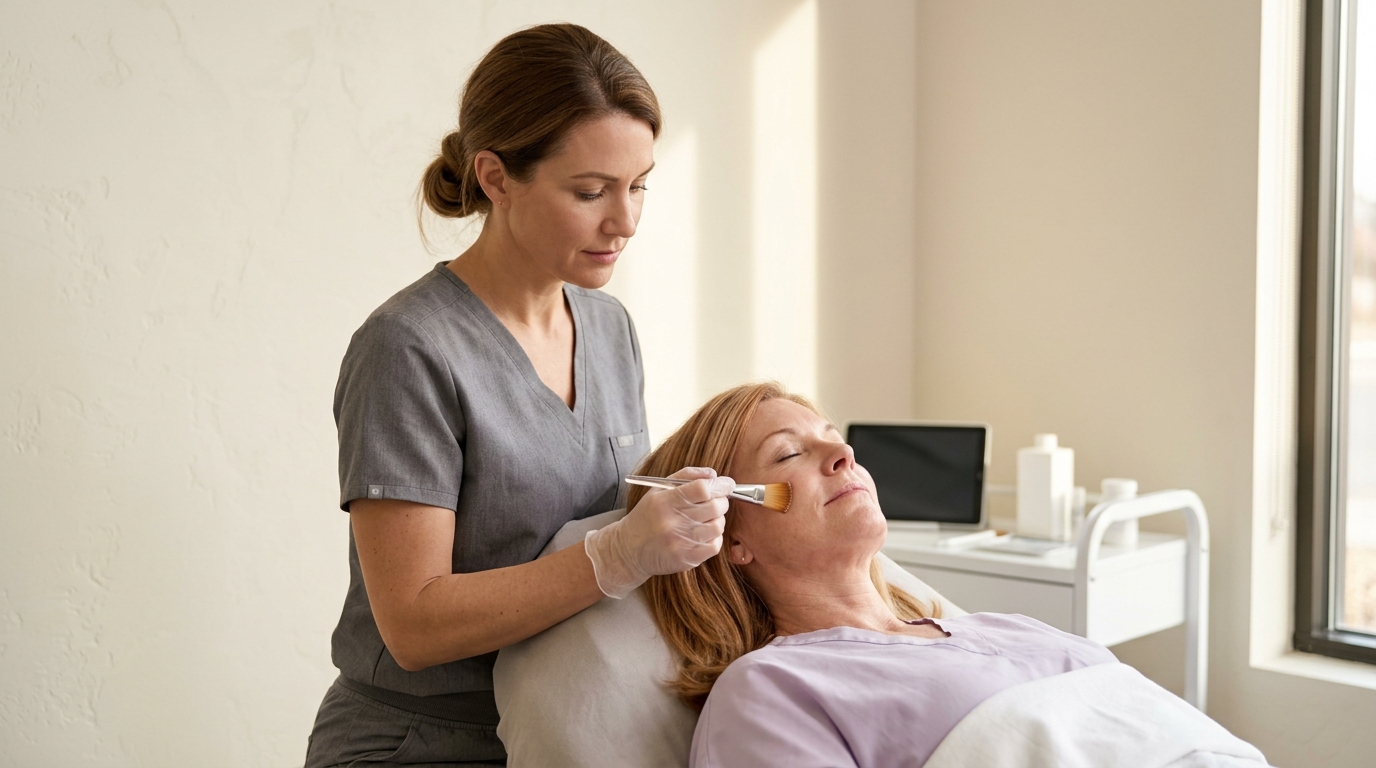
Peel treatments work by applying specialized solutions to the skin that cause controlled exfoliation, removing damaged outer layers and stimulating natural renewal processes that reveal smoother, more even-toned skin beneath the surface. This transformation occurs as the skin’s healing mechanisms activate, producing new collagen and elastin over time.
What Skin Layers Do Chemical Peels Target?
Different peel depths reach different layers of skin. Superficial peels affect the outermost layer (epidermis), while medium-depth peels reach into the papillary dermis. Deep peels can reach the reticular dermis. By targeting these layers, skin rejuvenation treatments remove damaged cells and trigger the skin’s healing response, which includes increased collagen production over time.
What Types of Acid Solutions Do Providers Use in Chemical Peels?
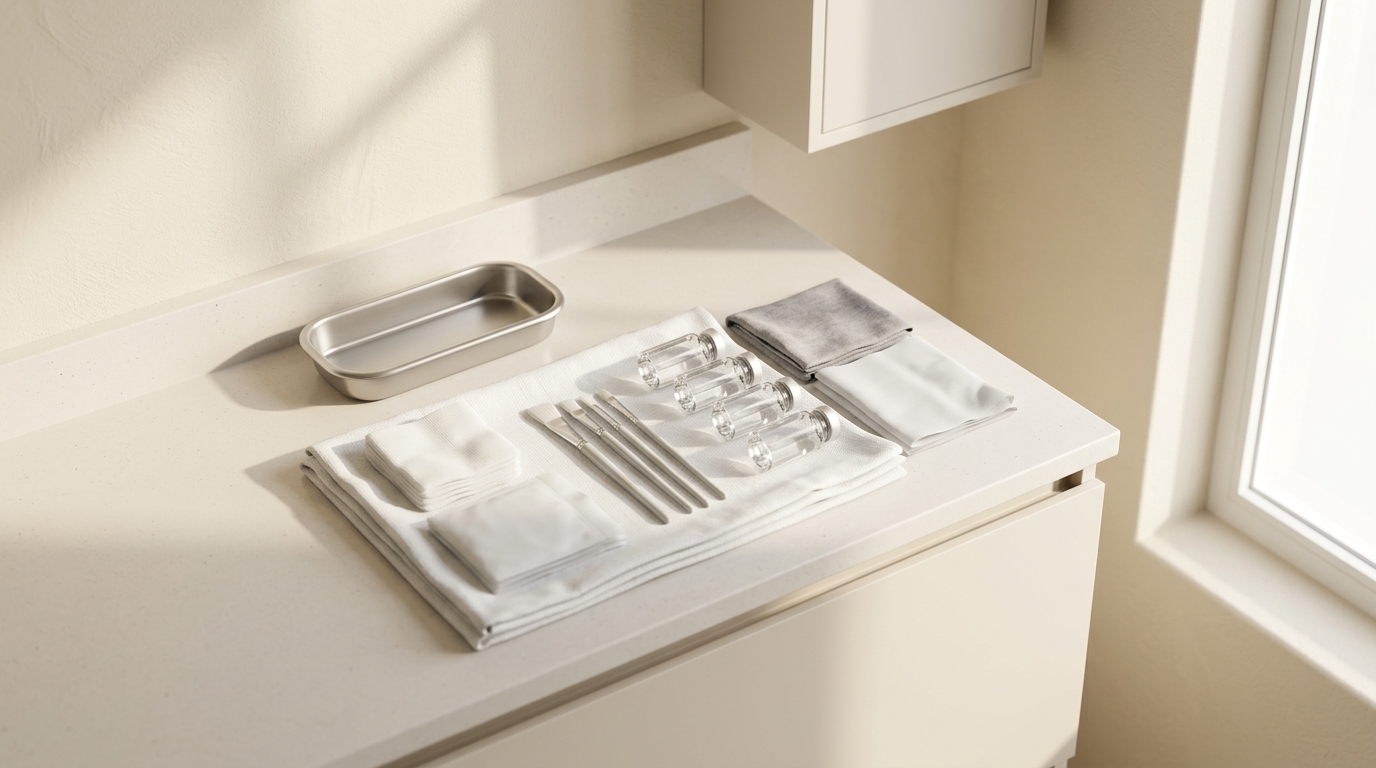
Providers select from various acid formulations based on the desired depth and skin concern. Common options include alpha-hydroxy acids such as glycolic acid and lactic acid for light peels, beta-hydroxy acids like salicylic acid for acne-prone skin, trichloroacetic acid at varying concentrations for medium-depth effects, and combination formulas such as the VI Peel that blend multiple agents for enhanced results.
What Skin Concerns Can Chemical Peels Address?
Peel procedures are versatile treatments capable of improving multiple skin concerns simultaneously, making them a comprehensive option for patients seeking overall skin rejuvenation without multiple procedures. These treatments can address texture irregularities, pigmentation issues, and early signs of aging in a single session or treatment series.
Can Chemical Peels Reduce Fine Lines and Wrinkles?
Yes, exfoliation treatments can reduce the appearance of fine lines and wrinkles, particularly those caused by sun exposure and natural aging. By removing damaged skin layers and stimulating collagen production, peel treatments smooth skin texture and restore a more youthful appearance. Deeper peels tend to deliver more dramatic wrinkle reduction.
How Do Chemical Peels Treat Sun Damage and Dark Spots?
Exfoliation treatments address sun damage including dark spots, uneven pigmentation, and rough texture by accelerating cell turnover and revealing fresh, undamaged skin. The treatment is effective for addressing sun damage concerns that often prompt patients to seek professional skin care. A scoping review of skin peel research notes that superficial peels show promise for pigmentary disorders with favorable safety profiles across diverse skin types. Patients with melasma, post-inflammatory hyperpigmentation, and age spots often see meaningful improvement with a customized peel regimen. For additional information on chemical peel safety and efficacy, consult resources from board-certified dermatologists at the American Academy of Dermatology.
What Different Depths of Chemical Peels Are Available?
Exfoliation treatments are categorized by depth – superficial, medium, and deep – with each level offering different benefits, recovery times, and risks that determine which concerns they can address effectively. The appropriate depth depends on your specific skin concerns, skin type, and desired outcome.
What Happens During a Light or Superficial Chemical Peel?
A light or superficial peel uses mild acids to gently exfoliate the outermost skin layer. The procedure is typically comfortable, requires little to no downtime, and leaves skin looking refreshed and radiant. Patients often describe the sensation as a mild tingling or warmth. Results include improved texture, reduced dullness, and a healthy glow that can be maintained with regular treatments.
What Results Can You Expect from a Medium-Depth Peel?
Medium-depth peels penetrate deeper into the skin, addressing more significant concerns such as moderate wrinkles, pronounced sun damage, and noticeable hyperpigmentation. Recovery typically involves several days of peeling and redness as the skin renews itself. Patients can expect more transformative results compared to light peels, with smoother, more evenly toned skin emerging as healing completes.
How Do You Choose the Right Chemical Peel for Your Skin?
Selecting the appropriate skin peel involves evaluating your skin type, concerns, and goals alongside a qualified provider who can recommend the safest and most effective approach for your individual needs. This decision should be made with professional guidance to ensure optimal results and minimize potential risks.
What Factors Determine Which Peel Depth Is Best for Your Skin?
Key factors include your skin type, the specific concerns you want to address, your tolerance for downtime, and your treatment history. Patients with darker skin tones may require lighter peel depths to minimize risks of pigmentary changes, as noted in research examining skin rejuvenation treatments across diverse populations. A thorough assessment helps determine whether a gentle refresh or more intensive renewal aligns with your skin’s characteristics.
How Does a Consultation Help You Select the Right Chemical Peel?
A consultation provides the opportunity for a licensed provider to evaluate your skin, review your medical history, and discuss realistic expectations before any treatment begins. This personalized approach ensures the selected peel addresses your concerns safely. For patients across King City, Portland, and communities including West Linn, Happy Valley, and Milwaukie, a consultation with an experienced provider is the essential first step toward meaningful results.
Risks, Side Effects and Who Is Not a Candidate
Peel procedures carry real risks that warrant honest discussion before treatment. Understanding potential complications helps patients make informed decisions and recognize normal versus concerning responses during recovery. Serious complications remain uncommon when treatments are performed by qualified providers.
Chemical peels carry real risks that warrant honest discussion. Common side effects include redness, peeling, temporary darkening or lightening of the skin, and increased sun sensitivity. More serious complications, though uncommon, can include scarring, infection, or persistent pigment changes. A systematic review comparing skin peel treatments to other treatments noted that both approaches carry manageable safety profiles when performed by qualified providers. Certain individuals should not receive peel procedures: those with active skin infections, open wounds, or cold sores in the treatment area; patients taking medications that increase photosensitivity; individuals with a history of abnormal scarring or poor wound healing; and those who are pregnant or breastfeeding. Patients with darker skin tones face higher risks of pigmentary complications and should discuss these risks thoroughly with their provider. Always discuss your full medical history and skin type with a qualified clinician before undergoing any skin peel treatment.
Frequently Asked Questions
What are chemical peels and how do they work?
Chemical peels work by applying a specialized solution to the skin that causes controlled exfoliation, removing damaged outer layers and stimulating natural renewal processes. The treatment reveals smoother, more even-toned skin beneath the surface and triggers the skin’s healing response, which includes increased collagen production over time.

What skin concerns can chemical peels address?
Chemical peels are versatile treatments that can improve multiple skin concerns including fine lines, wrinkles caused by sun exposure and aging, dark spots, uneven pigmentation, rough texture, and sun damage. They are particularly effective for melasma, post-inflammatory hyperpigmentation, and age spots. Patients often see meaningful improvement with a customized peel regimen.
What different depths of chemical peels are available?
Chemical peels are categorized into three depth levels: superficial peels affect the outermost layer (epidermis), medium-depth peels reach into the papillary dermis, and deep peels can reach the reticular dermis. Each level offers different benefits, recovery times, and risks. Light peels use mild acids for gentle exfoliation with minimal downtime, while medium-depth peels address more significant concerns.
How do I choose the right chemical peel for my skin?
Selecting the appropriate chemical peel involves evaluating your skin type, concerns, and goals alongside a qualified provider. Key factors include your skin type, the specific concerns you want to address, your tolerance for downtime, and your treatment history. Patients with darker skin tones may require lighter peel depths to minimize risks of pigmentary changes. A consultation with a licensed provider is the essential first step.
How long does recovery take after a chemical peel?
Recovery time varies by peel depth. Light or superficial peels typically require little to no downtime, with patients experiencing only mild tingling or warmth during treatment. Medium-depth peels involve several days of peeling and redness as the skin renews itself, with more transformative results emerging as healing completes over approximately one week.
What results can I expect from a chemical peel?
Patients can expect smoother, more evenly toned skin with improved texture and reduced dullness. Light peels deliver a refreshed, radiant appearance and healthy glow that can be maintained with regular treatments. Medium-depth peels address moderate wrinkles, pronounced sun damage, and noticeable hyperpigmentation for more dramatic improvements in skin appearance.
What types of acid solutions are used in chemical peels?
Providers select from various acid formulations based on desired depth and skin concern. Common options include alpha-hydroxy acids such as glycolic acid and lactic acid for light peels, beta-hydroxy acids like salicylic acid for acne-prone skin, and trichloroacetic acid at varying concentrations for medium-depth effects. Combination formulas blend multiple agents for enhanced results, such as the VI Peel.
This article is general information and is not medical advice. Talk to a licensed clinician about your own situation before making a treatment decision.