


Last updated: November 15, 2026
Face mole removal without scarring cannot be guaranteed: removing a mole creates a wound, and healed skin may retain a mark. The goal is to choose an appropriate removal method, protect the site as it heals, and understand what the result may look like.
Can you remove a mole with no scar?
No—scar-free mole removal cannot be guaranteed. Mole size, depth, location, removal method, and individual healing all affect how noticeable the eventual mark will be.
The American Academy of Dermatology cautions against claims of scar-free removal because any skin wound carries some scarring risk. At VIP MediSpa, our skin tag, mole, and keloid removal treatments use precise techniques intended to minimize discomfort and reduce scarring risk – not eliminate it.
Who should evaluate a facial mole before cosmetic removal?
A qualified medical provider should assess a facial mole before choosing a cosmetic removal method. The assessment helps determine what the growth is, whether it needs medical testing, and how its size and location affect treatment. A concerning lesion may need a biopsy or referral instead of a cosmetic procedure that prevents tissue examination.

Can a dermatologist remove a face mole?
Yes. A dermatologist can evaluate a facial mole and remove it when appropriate. The American Academy of Dermatology’s guidance on mole diagnosis and treatment explains that a dermatologist may use surgical excision or a surgical shave and arrange microscopic examination of the removed tissue.
Not every facial spot is a mole, so identifying the lesion comes before choosing a treatment. At VIP MediSpa, we tailor removal to the lesion’s type, size, and location. If you are unsure whether a growth is a mole or another kind of spot, our guide to a warty skin growth on the face or neck explains why identification matters.
When should a changing mole be checked before removal?
A new or changing mole, or one that bleeds, itches, is not round or oval, or otherwise looks concerning, needs medical evaluation before cosmetic treatment. A provider can decide whether tissue should be removed and examined under a microscope. The Mayo Clinic notes that a mole suspected of cancer may be removed and sent to a laboratory for examination.
Which facial mole removal method is most likely to minimize a visible mark?
No single facial mole removal method produces the least visible mark for every person. A shallow, raised mole may call for a different approach than a deeper or medically concerning lesion. The best choice balances the expected mark, how completely the growth can be removed, and whether tissue must remain available for examination.
How do shave removal, surgical excision, and laser removal differ?
The methods create different wounds and have different diagnostic limits:
| Method | How it works | Possible mark or limitation |
|---|---|---|
| Shave removal | Uses a surgical blade to shave the mole; the removed tissue can usually be examined. | May leave a flat or indented mark; deeper mole tissue may remain. |
| Surgical excision | Cuts out the lesion and closes the wound when needed. | May leave a line-shaped scar; removed tissue can be submitted for examination. |
| Laser removal | Uses energy to treat a selected lesion assessed as benign. | May change skin color or texture and can limit tissue available for testing. |
A shave is not automatically scar-free, and an excision is not automatically more noticeable once healed. If you are considering mole removal with laser treatment, a suspicious mole needs evaluation for a biopsy rather than a method that may leave no tissue for testing.
What happens during a facial mole removal appointment?
A facial mole removal appointment generally follows these steps:
- The provider examines the growth, discusses your goals, and determines whether tissue needs to be examined.
- The provider explains the removal method and potential mark, then cleans and numbs the area before removing the mole. Stitches may be needed after an excision.
- The wound is covered when appropriate, and you receive instructions for caring for it as it heals.
What are the risks, and when should cosmetic mole removal wait?
Facial mole removal can leave a scar, indentation, or pigment change, and bleeding, infection, or recurrence is possible. If you have had keloids or difficulty healing, discuss that history and the procedure’s risks with your own clinician before proceeding.
Scar behavior differs between patients. The 2025 Surgical Scar Management and Outcomes in Racial/Ethnic Minorities: A Systematic Review included 10 studies and identified important gaps in evidence on scar-management decisions for patients with darker skin. The review concerns surgical scar care broadly; it does not establish a scar-free facial mole removal method.
Do not cut, burn, or apply a home removal product to a mole. At-home treatment can cause infection or significant scarring and delay a skin cancer diagnosis. After removal, seek prompt medical attention for spreading redness, pus, or fever, and urgent care for bleeding that will not stop.
How should you care for the site after facial mole removal?
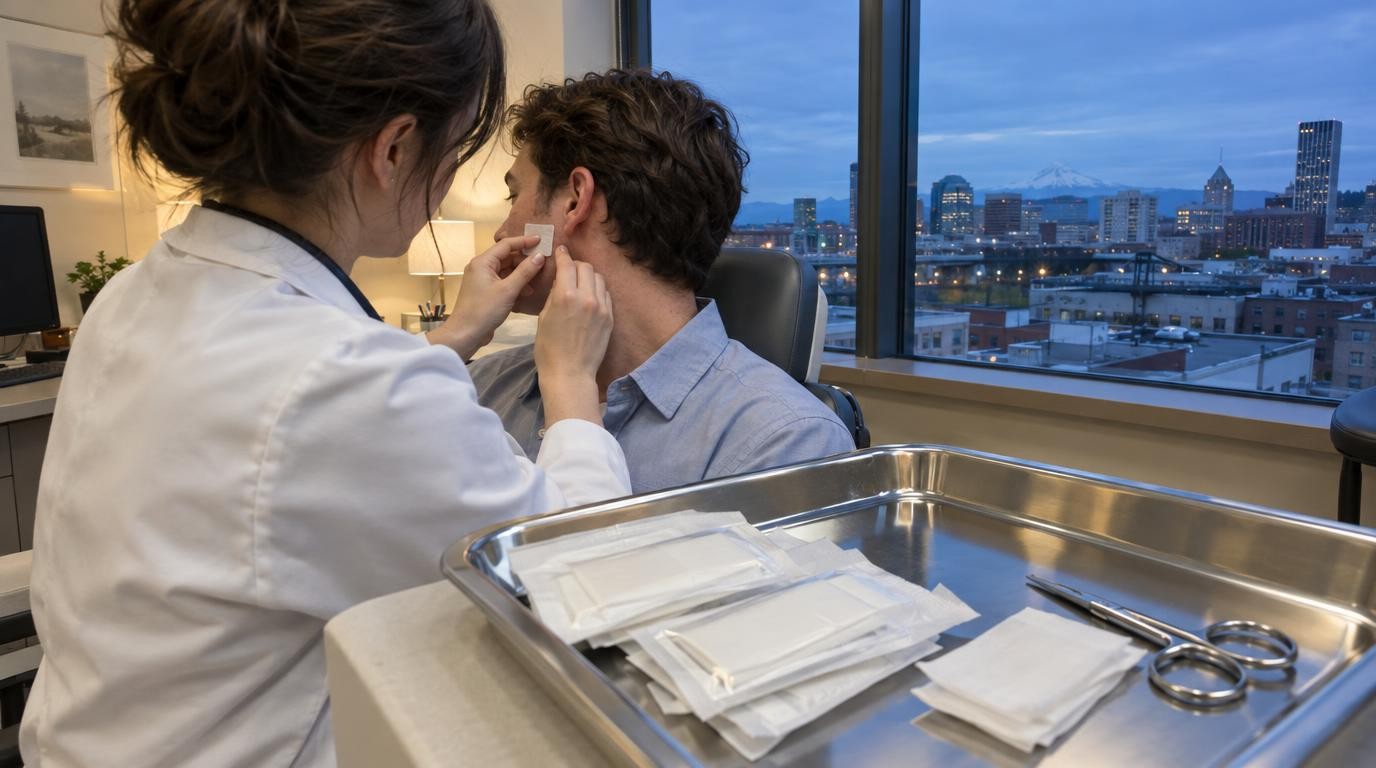
Care for the site according to the instructions for the method used. Cleveland Clinic’s mole removal guidance recommends cleaning the wound daily, keeping it moist with petroleum jelly and covered, changing the dressing daily or as instructed, and applying sunscreen to the area when it is exposed after healing. Avoid picking at the site, and do not mistake a quick return to normal activities for complete skin healing.
Can I shower after mole removal?
Often, yes, but when you can shower depends on the wound and its dressing; follow the wound-care instructions you receive. MedlinePlus skin lesion removal aftercare guidance advises gentle washing and avoiding too much water exposure.
How long does a facial mole removal site take to heal?
Cleveland Clinic’s mole removal guidance says healing will likely take two to three weeks, depending on overall health and the size of the removed mole. That is a guide to wound healing, not a promise that the final color or texture will be settled by then. Many people can continue daily activities while the site heals, subject to their provider’s instructions. For a closer look at differences between techniques, see mole removal and healing by method.
What should you expect the treated area to look like as it heals?
The mole may be gone before the treated skin looks settled. A temporary pink area, a change in pigmentation, a fine line, or a shallow indentation may remain, depending on the method and your healing response. The final appearance takes longer to judge than initial wound closure, so early results are not definitive.
If a change in color or texture persists and concerns you, arrange follow-up. Cleveland Clinic notes that most moles removed by dermatologists stay gone permanently, although some return. If a mole-like spot returns after healing, seek medical assessment promptly.
Frequently Asked Questions
Will I need stitches after having a facial mole removed?
You may need stitches if the mole is large or deep, or if an excision requires closing the wound. A surgical shave generally does not require them.
Can a facial mole be removed in one appointment?
Usually, yes. The American Academy of Dermatology says most moles can be removed during one office visit, though a second visit is occasionally needed.
What happens if a removed facial mole tests positive for skin cancer?
According to Cleveland Clinic, a positive biopsy may require another surgical procedure to remove additional skin and tissue from the area. Whether more treatment is needed depends on the diagnosis.
Can I use rubbing alcohol or hydrogen peroxide on a mole-removal wound?
No. MedlinePlus advises against alcohol, peroxide, iodine, skin cleansers, and soaps with antibacterial chemicals because they can damage wound tissue and slow healing.
Does darker skin affect the risk of a visible mark after facial mole removal?
Yes. Mayo Clinic notes that people with Black skin have an increased risk of pigment changes at the incision and keloid scars after mole removal. Tell your provider about previous raised scars or pigment changes so you can discuss the possible outcome before treatment.
Can I hide a facial mole with makeup instead of removing it?
Yes. If a mole bothers you cosmetically, Mayo Clinic suggests makeup as a way to conceal it without a removal procedure. Do not use makeup to delay evaluation of a new, changing, or bleeding spot.
If I have many moles, is there an alternative to removing them all?
Yes. Mole mapping can track changes without removing every mole. Cleveland Clinic says it may be considered for people with more than 50 moles or a risk of melanoma; photographs of certain moles may then be taken every six to 12 months.
How can you decide whether facial mole removal is right for you?
Most moles need no treatment. If a benign facial mole bothers you, weigh the improvement you hope for against the possibility of a lasting mark and the aftercare involved.
If you are coming from West Linn, Oregon, contact VIP MediSpa in Portland, Oregon, for a consultation about your facial mole and the removal options appropriate to it.
This information is general and is not medical advice. Talk to a licensed clinician about your own situation before making a treatment decision.






