
Last updated: November 27, 2026
After a completed treatment series, laser hair removal can keep unwanted hair reduced for months to years, although some hairs may regrow. At VIP MediSpa in Portland, Oregon, we offer laser hair removal with treatment plans based on the area, hair, and skin being treated.
How long does laser hair removal last after a treatment series?
After a completed series, reduced hair growth can last months to years, but individual hairs may return. The American Academy of Dermatology says regrowth is usually less noticeable, with fewer, finer, lighter hairs. At VIP MediSpa, results typically last for years with occasional maintenance; that is an expectation, not a guarantee.
At VIP MediSpa, we typically anticipate an 80 to 90 percent reduction in treated hair. Your result may differ, and reduction does not mean every hair will disappear. If you are considering a particular area, our guide to underarm laser hair removal explains what treatment there involves.
How soon can treated hairs shed?
An article on the American Society of Plastic Surgeons’ site notes that treated hairs may take days to weeks to shed. Hair visible immediately afterward does not necessarily mean treatment failed.
Will laser hair removal last forever?
Laser hair removal offers lasting hair reduction, not a promise that no hair will ever return. The American Society of Plastic Surgeons explains that treatment slows growth without guaranteeing permanent removal, and periodic maintenance may be needed. A useful goal is less hair that requires less frequent attention, rather than a permanently bare area.
What does long-term hair reduction mean?
Long-term reduction means less hair grows in the treated area after a completed series; it does not mean every follicle is permanently disabled. To judge your response, compare how much hair grows and how often you need to remove it with your pattern before treatment, rather than judging by a single smooth day.
Why does treatment response vary by body area?
Hair characteristics and growth patterns vary across the body. Those differences can affect how quickly you see a reduction and how many sessions you need; they do not establish that results last a specific amount of time on one area versus another.
We assess the area you want treated and your skin and hair characteristics to set expectations for that area, rather than promise one duration for every part of the body.
How might treatment of the face differ from treatment of the legs?
An article on the American Society of Plastic Surgeons’ site notes that upper-lip and chin hair tends to be finer and more hormonally influenced. Facial hair sometimes takes 12 or more sessions to treat, whereas significant reduction of leg hair is often expected within eight treatments. Those session estimates do not tell us how long your results will last on either area. If facial hair is your main concern, our guide to professional and at-home facial hair removal methods can help you distinguish laser treatment from options for fine peach fuzz.
How does laser hair removal work at VIP MediSpa?
Laser hair removal directs light toward pigment in hair within the follicle, where absorbed energy heats the follicle and inhibits future growth. At VIP MediSpa, we use the Candela GentleMax Pro system. Because follicles are not all in a susceptible growth stage at once, a series of visits is needed to pursue sustained reduction.
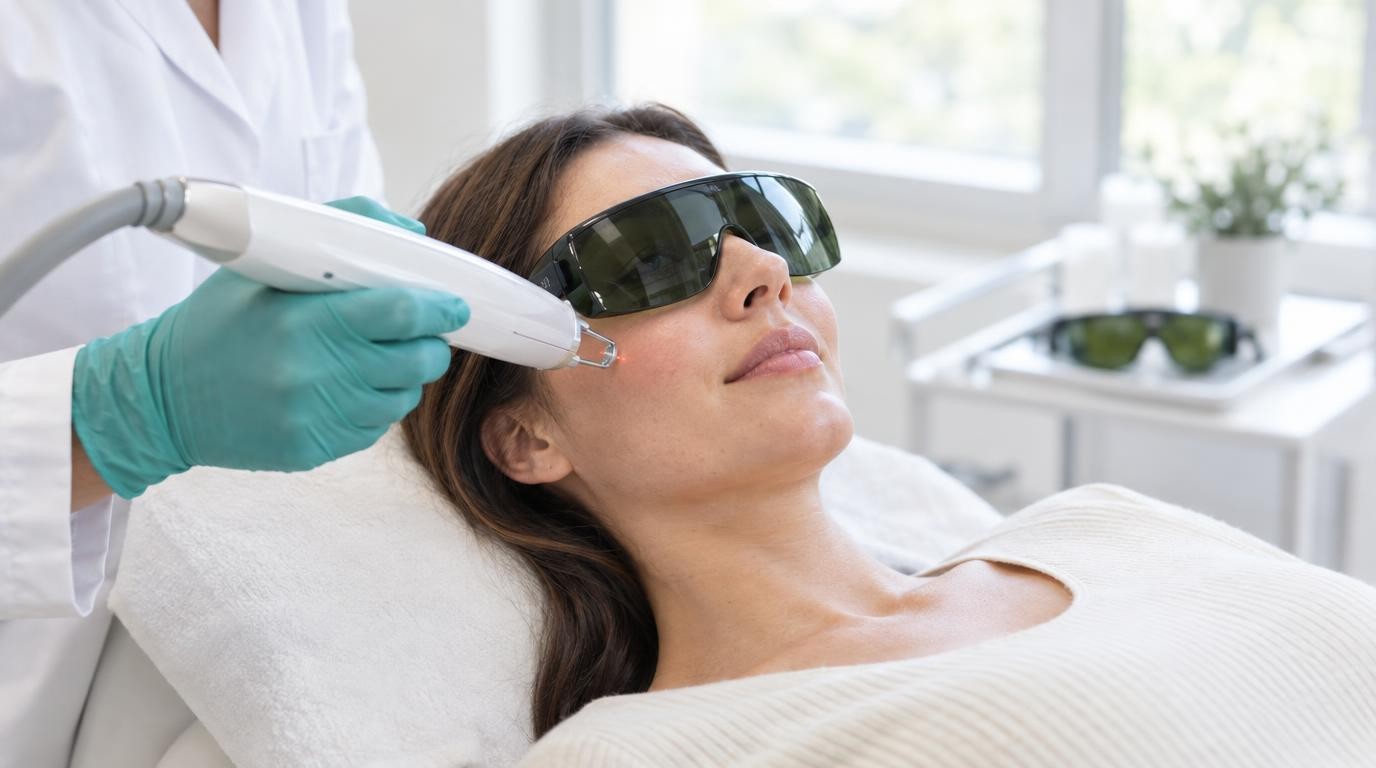
During treatment, the team selects settings with the treatment area and your skin and hair characteristics in mind. Protective eyewear is worn during the procedure.
Which hair and skin characteristics affect whether treatment suits you?
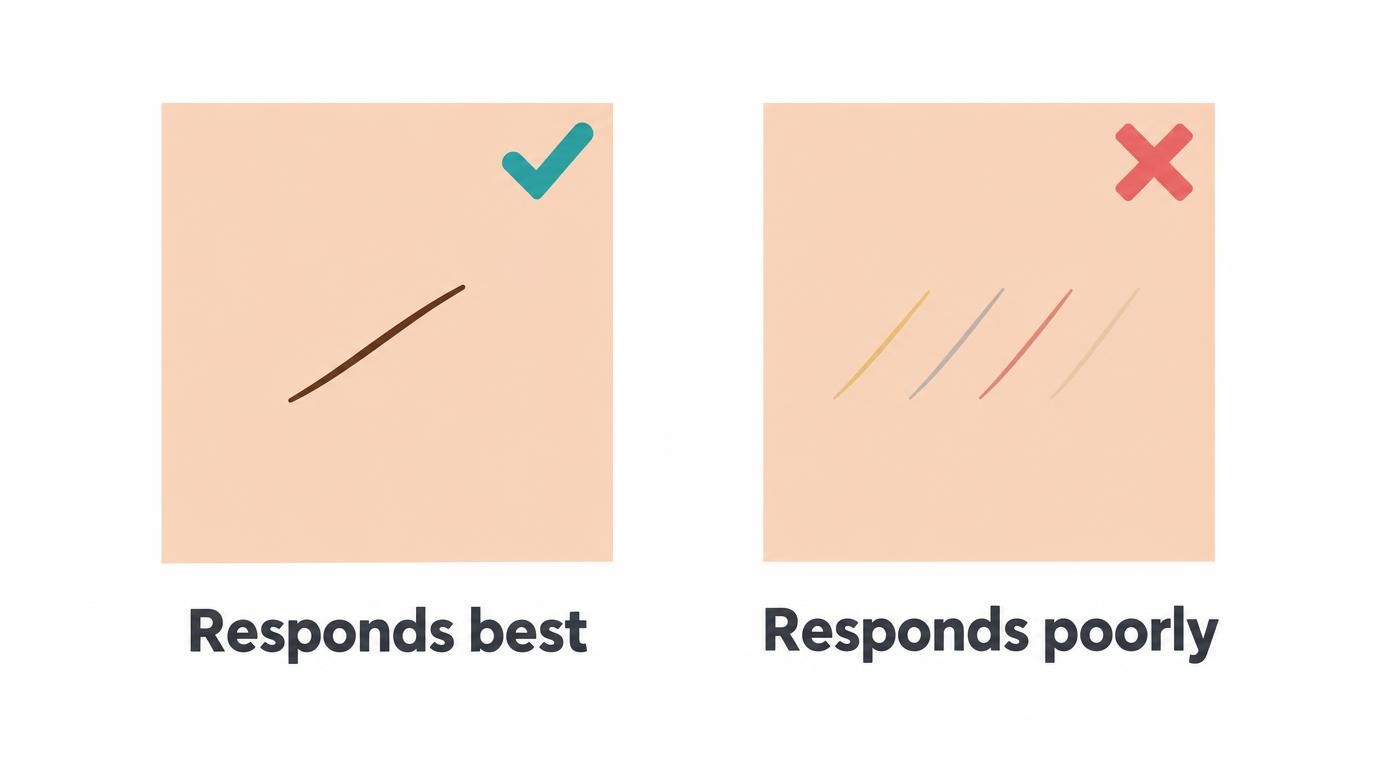
Dark, pigmented hair against lighter skin generally responds best, as the American Society of Plastic Surgeons explains. With appropriate laser selection and an experienced provider, treatment can also work for darker skin tones. Blonde, gray, white, and red hair often respond poorly because the laser cannot effectively target their pigment. At VIP MediSpa, we assess skin type, hair color and thickness, and treatment location to determine whether treatment suits you and to select settings carefully.
How many laser hair removal sessions will you need?
Most patients need 2 to 6 treatments, according to the American Academy of Dermatology; the American Society of Plastic Surgeons says most need between four and six. At VIP MediSpa, the number of visits depends on the person and treatment area.
How far apart are appointments, and when might you notice a difference?
At VIP MediSpa, we recommend 4 to 8 weeks between treatments, although most patients attend every 4 to 6 weeks. Some patients see a change after their first session, while others notice a difference after their third. We may adjust your schedule based on the area treated and your response.
| Part of the plan | What to expect |
|---|---|
| Why visits are repeated | Follicles enter susceptible growth stages at different times, so later visits offer opportunities to treat additional growing hairs. |
| Reduction after the first treatment | The American Academy of Dermatology says to expect a 10% to 25% reduction in hair. |
What should you do before and after laser hair removal?
Before treatment, shave the area rather than waxing or plucking; afterward, protect treated skin from the sun. Redness and more prominent-looking follicles usually settle within 12 to 24 hours after treatment.
Which precautions matter around each appointment?
- Avoid threading and sugaring before your appointment; these also remove the follicular hair the laser needs to target.
- Tell our team about recent sun exposure, tanning, and products you use on the area, including topical retinoids.
- Afterward, avoid direct sun on treated skin for at least one week and avoid tanning beds, sun lamps, and other indoor tanning equipment. Use SPF 30 or higher on exposed treated skin and follow our team’s aftercare instructions. A cool compress may ease temporary discomfort.
- For nonablative treatment, we generally recommend waiting 2 to 3 hours before applying makeup, deodorant, or similar products. Follow your treating team’s instructions for your area and procedure.
When might maintenance treatments be useful?
Maintenance may help if noticeable hair growth returns after your series. An article on the American Society of Plastic Surgeons’ site notes that needing maintenance once or twice a year is not uncommon, in part because hormonal changes can cause regrowth. It is not automatically needed on a fixed calendar: the reason to consider it is your actual regrowth and your goal for the area. Results and treatment changes are easier to discuss when you can describe where hair has returned and how much it bothers you.
What are the negatives of laser hair removal?
Laser hair removal requires repeat visits and may not remove every hair. During a session, you may feel a warm pinprick or light rubber-band snap. Redness, swelling, and discomfort are common and generally last 1 to 3 days, according to the American Academy of Dermatology. The American Society of Plastic Surgeons’ safety guidance also lists pigment changes, blistering, and scarring as possible complications. Skin-color changes usually fade, but some can be permanent. Infection and herpes simplex outbreaks are other possible side effects; tell us before treatment if you tend to get cold sores or genital herpes outbreaks. The American Academy of Dermatology notes that complications such as blistering and scarring are rare when a dermatologist performs or directly supervises treatment.
Tanning increases the risk of a laser burn. In inexperienced hands, lasers can also cause burns, lasting skin-color changes, or scars. Ask your provider about their experience treating your skin tone. If you develop severe blistering, worsening pain, spreading redness, pus, fever, or a suspected cold-sore outbreak after treatment, seek prompt medical care rather than waiting for a routine follow-up. For more on the sensation during treatment, see this educational guide to what laser hair removal feels like.
Who should delay treatment or ask for an individualized safety assessment?
If you have a tan, including a spray tan or one acquired from a tanning bed, wait until it has faded before treatment and tell our team so we can plan your visit safely. A rash, infection, or open wound in the treatment area also calls for postponement and an individualized assessment. Recent sun exposure or topical retinoid use on the area may affect timing. For darker skin, laser selection and settings need particular care to reduce the risk of skin damage. Discuss your medical history and the treatment’s risks with your clinician before proceeding.
Is laser hair removal worth it?
Laser hair removal may be worthwhile if lasting reduction in unwanted hair matters more to you than avoiding a multi-visit course and possible maintenance. Less hair can mean less frequent shaving and may ease shaving irritation, razor bumps, or ingrown hairs. The decision depends on the area, likely response, and how much ongoing hair removal you want to do.
You can look at VIP MediSpa’s before-and-after photo gallery when thinking about results, while remembering that another patient’s outcome cannot predict yours.
How does it compare with shaving, waxing, and electrolysis?
Shaving cuts visible hair, which returns as it grows. Waxing pulls hair out for a longer but still temporary effect; it should be avoided during a laser series because it removes the follicular hair the light needs to target. Electrolysis treats follicles individually and can permanently remove treated hairs, though treating a large area can take more time. Laser treatment covers an area more quickly and can reduce growth for months to years, but it may require maintenance rather than permanently removing every hair.
Frequently Asked Questions
Can I shave between laser hair removal appointments?
Yes. Once post-treatment irritation has settled, you can shave returning hair between visits without pulling out the follicular target for your next session. Ask our team when to resume shaving if your skin is still red or tender.
Do at-home laser devices provide the same results as professional treatment?
Not necessarily. The American Academy of Dermatology says at-home devices take longer to produce results and require periodic use to maintain them. Ask a dermatologist whether an at-home device is suitable for you before using one.
How long does a laser hair removal appointment take?
The appointment length depends on the size of the treatment area. Treating the upper lip takes minutes, while a large area such as the back or legs may take more than an hour, according to the American Academy of Dermatology.
Can I go back to work after laser hair removal?
Most people can return to everyday activities after laser hair removal; it generally does not require downtime, according to the American Academy of Dermatology. Treated skin may be red and swollen afterward. Follow your aftercare instructions, including protecting the area from direct sunlight, even if you feel ready to resume your routine.
Do I need to schedule laser hair removal in winter?
No. Treatment can be planned in any season if you can avoid tanning and follow sun precautions. Fall or winter may make it easier to keep treated skin out of direct sunlight; tell our team about upcoming sun exposure when scheduling.
Can laser hair removal affect internal organs or lymph nodes?
Laser light targets hair follicles in the skin. Because its penetration is limited, internal organs and lymph nodes should not absorb the laser light. Ask our team about any concerns you have for a particular treatment area.
What medical history should I mention before laser hair removal?
Tell your clinician about a recent tan, a tendency to scar or develop keloids, cold sore or genital herpes outbreaks, and any medicines you take, including isotretinoin. The American Academy of Dermatology recommends sharing these details before treatment. At VIP MediSpa, also tell us about topical retinoids used on the treatment area.
Where can you get a personalized laser hair removal plan in Portland, Oregon?
You can get a personalized laser hair removal plan at VIP MediSpa in Portland, Oregon. How long your reduction lasts depends on the treated area, your hair and skin characteristics, completion of the series, and whether maintenance becomes useful.
To talk through your goals, contact VIP MediSpa in Portland at (503) 513-5533 for a consultation. Our team can assess the area you want treated and explain a plan suited to you; Dr. Max Grishkevich, MD, is the practice’s founder and Medical Director.
This information is general and is not medical advice. Talk to a licensed clinician about your own situation before making a treatment decision.
About the doctor at Vip MediSpa
Dr. Max Grishkevich, MD – Founder and Medical Director of VIP MediSpa; aesthetic physician and member of the American Academy of Cosmetic Surgery.