


Last updated: October 21, 2026
Restylane under-eye filler can add volume to suitable under-eye hollows, but it cannot correct every dark circle or eye bag. At Vip MediSpa in Portland, Oregon, we offer Restylane dermal filler; the product and your under-eye anatomy determine whether filler is an appropriate option.
Is Restylane a good under eye filler?
Restylane can be a good under-eye filler when lost volume creates a visible hollow between the lower eyelid and cheek. Hyaluronic acid filler adds volume to that depression and may soften the shadow it casts.
What can Restylane under eye filler improve?
A hollow tear trough can create a shadow that looks like a dark circle, even when the skin itself is not dark. Carefully placed filler may make the transition from lower eyelid to cheek look smoother. Restylane is a family of hyaluronic acid fillers, not a single product; the formulation selected matters in an area with thin skin.
The U.S. Food and Drug Administration’s Restylane Eyelight approval specifically covers improvement of infraorbital hollowing in people 21 years of age and older. A Restylane product without its own under-eye indication would be used off-label for this purpose.
Can filler fix every type of dark circle or eye bag?
No. Filler adds volume; it does not remove skin pigment or eliminate a pronounced bulge beneath the eye. A shadow caused by hollowing may improve, while darkness caused mainly by pigmentation may remain. Prominent bags or existing puffiness can also make added volume a poor fit, even when a hollow is present nearby.
What does the clinical evidence say about under-eye filler?
A 2024 Aesthetic Surgery Journal study of Restylane Eyelight found that the filler improved moderate to severe infraorbital hollows more often than no treatment at its primary assessment. The study tested Eyelight for hollow correction, not every Restylane product or every cause of dark circles. Its results do not guarantee an individual outcome or rule out complications.
The multicenter study randomized 333 patients to Eyelight injections by needle or cannula, with an optional Month 1 touch-up, or to a no-treatment control group. Blinded evaluators assessed improvement in hollowing on a standardized scale; the study also collected patient-reported outcomes and adverse events.
These figures are findings from the 2024 Aesthetic Surgery Journal Restylane Eyelight study, not predictions for an individual patient:
| Measure | Restylane Eyelight group | Comparison or context |
|---|---|---|
| Blinded evaluator response at Month 3 | 87.4% | 17.7% in the no-treatment control group |
| Blinded evaluator response at Month 12 | 63.5% | After initial injections and any optional Month 1 touch-up |
| Patients reporting adverse events | 40 patients (12.7%) overall; 4.9% in the needle group and 20.9% in the cannula group | Events were typically mild. Comparable Month 3 hollow-correction results did not mean identical reported adverse-event rates. |
The study measured correction of hollows; at least 76% of treated patients also reported reduced under-eye shadows. At Month 18, the hollow-correction response rate was 80.3% after a Month 12 retreatment, not after an initial injection alone. These findings do not establish how another filler would perform or whether filler would improve darkness caused mainly by pigment.
Who is a good candidate for Restylane under the eyes?
A potential candidate has under-eye hollowing that contributes meaningfully to the appearance they want to change. Previous filler, lower-eyelid surgery and persistent swelling can affect whether another injection is appropriate.
Examination of the lower eyelid and cheek can distinguish hollowing from protruding fat or excess skin. Skin texture, pigmentation and existing puffiness also matter when deciding whether added volume is likely to help.
How does Restylane under eye treatment work at an appointment?
If under-eye treatment is appropriate and available, an appointment follows these steps. The technique and appointment length depend on the patient and product.
- Assess the concern. The consultation establishes whether a hollow, rather than pigment or a prominent bag, is creating the unwanted shadow.
- Review the plan and consent. The injector explains the proposed product, expected change, limitations, alternatives and risks before treatment.
- Prepare and inject. Preparation may include cleansing and topical numbing. If the plan proceeds, carefully placed injections add volume to the selected area.
- Review aftercare. The team explains what changes to expect and which symptoms warrant a call or urgent attention.
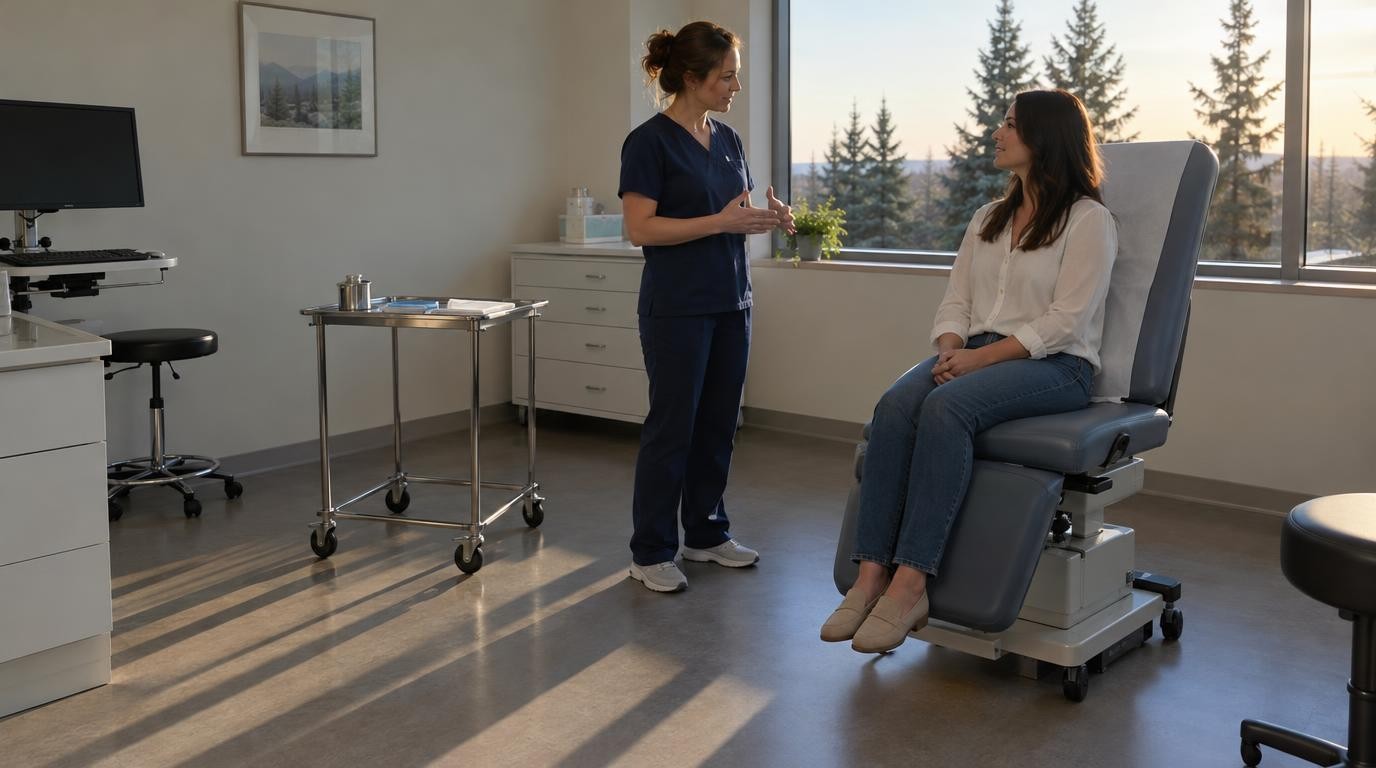
At Vip MediSpa, we apply topical numbing cream before Restylane injections, and a general treatment session lasts approximately 15 to 20 minutes. That is not a promised length for an under-eye visit. Restylane contains hyaluronic acid, not PMMA microspheres or bovine collagen, and does not require a routine allergy test a month before injection.
How long does Restylane under eyes last?
Under-eye filler duration varies with the Restylane product selected, the amount and placement of filler, and the individual patient.
Our Restylane results can last several months to over a year, depending on the product and individual factors. For more complete correction, we may recommend a follow-up treatment at 3 to 6 weeks; that is not an under-eye maintenance schedule. The FDA reports that Restylane Eyelight results may last up to 12 months. That figure does not establish how long another Restylane formulation will last beneath the eyes. For broader context, see our guide to dermal filler longevity and long-term effects.
What should you expect immediately after treatment?
The area may look fuller right away, while swelling, bruising or tenderness can temporarily change its contour. An early impression is not always the settled result. Follow your aftercare instructions, and call our team if swelling or an uneven appearance persists or worsens.
Why is under eye filler not recommended for everyone?
Under-eye filler is not recommended when added volume is unlikely to address the concern or when examination and medical history suggest an unfavorable risk-benefit balance. Thin tissue, existing puffiness and previous filler can complicate the result.
What side effects and serious risks should you know about?
Swelling, bruising, tenderness, redness, itching and lumps can follow an under-eye injection, as an article on the American Board of Cosmetic Surgery website about Restylane Eyelight describes. Adverse events in the Eyelight study were typically mild, but that does not rule out uncommon serious complications. An article on the same website about under-eye filler risks identifies skin death (necrosis) and rare blindness as potential consequences of vascular complications. Seek emergency medical attention for sudden visual changes, severe or unusual pain, or pale or mottled skin after an injection.
Discuss the risks of the exact product and proposed placement with your own licensed clinician before treatment. Hyaluronic acid filler can sometimes be dissolved, but that possibility does not make an injection risk-free or replace prompt care for a suspected vascular problem.
Who should avoid or postpone treatment?
Active infection or inflammation at the proposed injection site warrants postponing treatment. A history of serious allergic reactions or a reaction to a filler ingredient, including lidocaine if Restylane Eyelight is proposed, needs review before injection. Contraindications depend on the specific product selected.
When might another approach work better than under-eye filler?
Volume loss, skin pigmentation and protruding lower-eyelid fat call for different approaches. The American Academy of Ophthalmology’s discussion of tear-trough fillers describes assessing hollowing, lower-eyelid fat, skin texture and pigmentation when considering treatment.
These findings point to different treatment options:
| Main finding | Approach to consider |
|---|---|
| A hollow that casts a shadow | A suitable hyaluronic acid filler, such as Restylane Eyelight when appropriate |
| Darkness mainly from skin pigmentation | Evaluation for pigment-directed care |
| A prominent lower-eyelid bag | Evaluation of the protruding fat and whether surgery is appropriate |
Our overview of under-eye treatment approaches offers broader context. No option is guaranteed to work for every patient.
Frequently Asked Questions
How much does Restylane under-eye filler cost?
We do not publish an under-eye-specific amount. Check our VIP app for current pricing, packages and promotions, or ask our team for a personalized quote based on your treatment plan.
Does Restylane Eyelight contain a numbing medication?
Yes. The FDA states that Restylane Eyelight contains 0.3% lidocaine to reduce pain during injection. A previous reaction to lidocaine or an injectable product matters when determining whether Eyelight is suitable.
Is Restylane Eyelight injected with a needle or a cannula?
Either may be used. Your injector can explain which approach they recommend for your anatomy and treatment plan before you consent.
Will I need a second Restylane Eyelight treatment?
Possibly. The FDA reports that one or two treatments, involving multiple injections, were needed for the best outcome in the Eyelight clinical study. That study allowed an optional touch-up at Month 1; a second treatment was not automatic.
Can under-eye Restylane filler look blue?
A bluish appearance, sometimes called the Tyndall effect, can occur with under-eye hyaluronic acid filler. The article on the American Board of Cosmetic Surgery website reports that none was observed in the Restylane Eyelight study it discusses; that does not rule it out for an individual. Contact our team if new discoloration appears.
How soon can I return to my usual routine after Restylane Eyelight?
Recovery varies. In the Restylane Eyelight clinical study, patients reported recovering within 3-5 hours after treatment. Bruising or swelling may still be visible after that time, so allow for temporary under-eye changes when making plans.
Does previous lower-eyelid surgery affect an under-eye filler consultation?
Yes. The American Academy of Ophthalmology describes reviewing past lower-eyelid surgery and filler before examining eyelid tissue, hollowing, skin and pigmentation. Prior surgery does not automatically rule out filler, but it matters when assessing the area.
What qualifications should I look for in an under-eye filler injector?
Choose a qualified injector with specific training in facial injectables and a strong understanding of under-eye anatomy. The article on the American Board of Cosmetic Surgery website recommends a board-certified cosmetic surgeon or a qualified injector overseen by one. Before consenting, establish who will perform the injection, which product they propose and how they handle complications.
How can you decide whether to book a Restylane consultation?
A useful plan identifies the under-eye concern, the proposed product, the change you hope to see and the risks you are willing to accept. Deciding against injection is also a reasonable outcome.
- Identify whether you see a hollow, skin darkness, puffiness or a combination.
- Ask whether under-eye injections are available and which product would be considered.
- Review previous filler, medical history, expected recovery and the current product information.
- Agree on the change you hope to see and what filler cannot correct.
If you are considering Restylane under the eyes, contact Vip MediSpa in Portland, Oregon, for a consultation. Our team can assess the source of your under-eye concern, confirm treatment availability and help you decide whether filler belongs in your plan.
This information is general and is not medical advice. Talk to a licensed clinician about your own situation before making a treatment decision.






