Last updated: October 5, 2026
Microdermabrasion is a minimally invasive facial treatment that exfoliates the outermost layer of skin cells. If you are wondering what microdermabrasion can do for your face, the short answer is that it may leave skin looking smoother and brighter, but surface exfoliation cannot correct every scar or dark spot. At VIP MediSpa, you can explore the treatment on our microdermabrasion service page.
What Is Microdermabrasion?
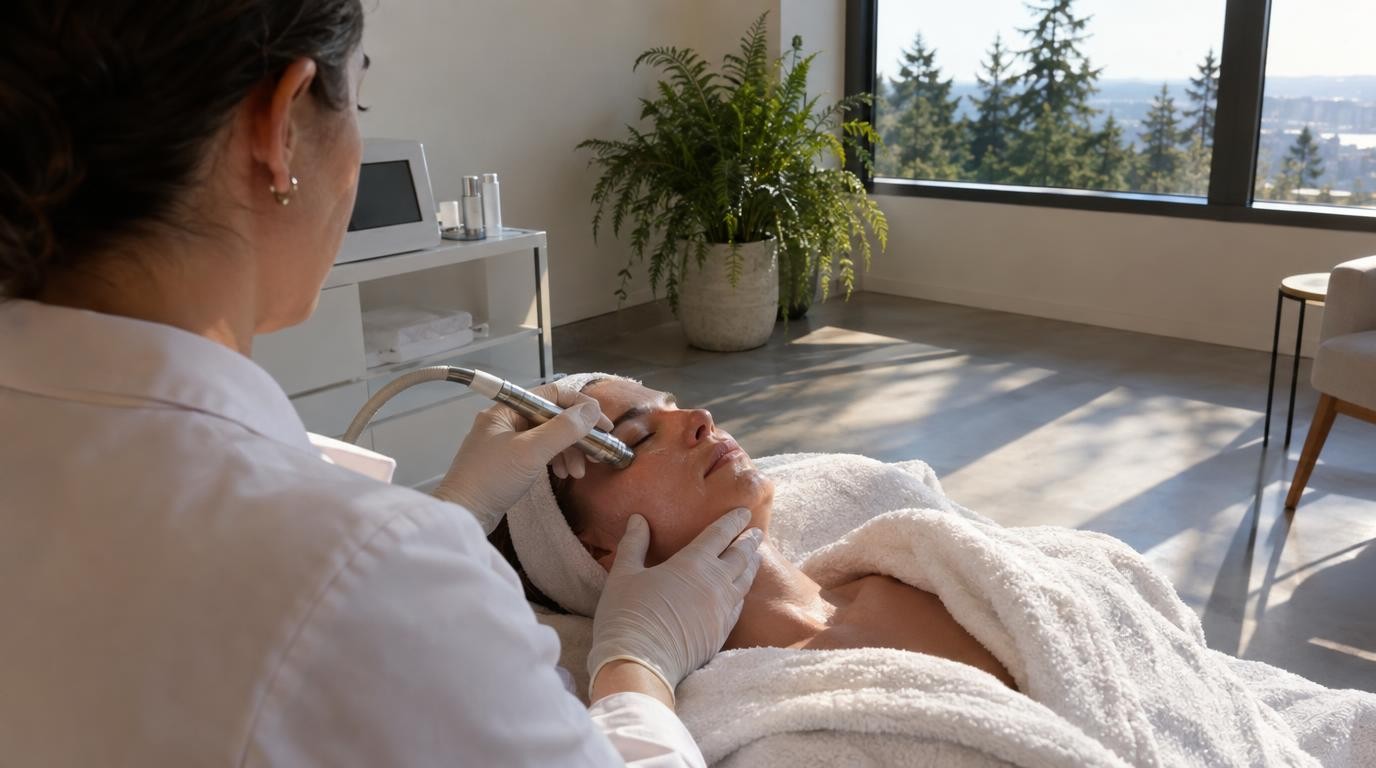
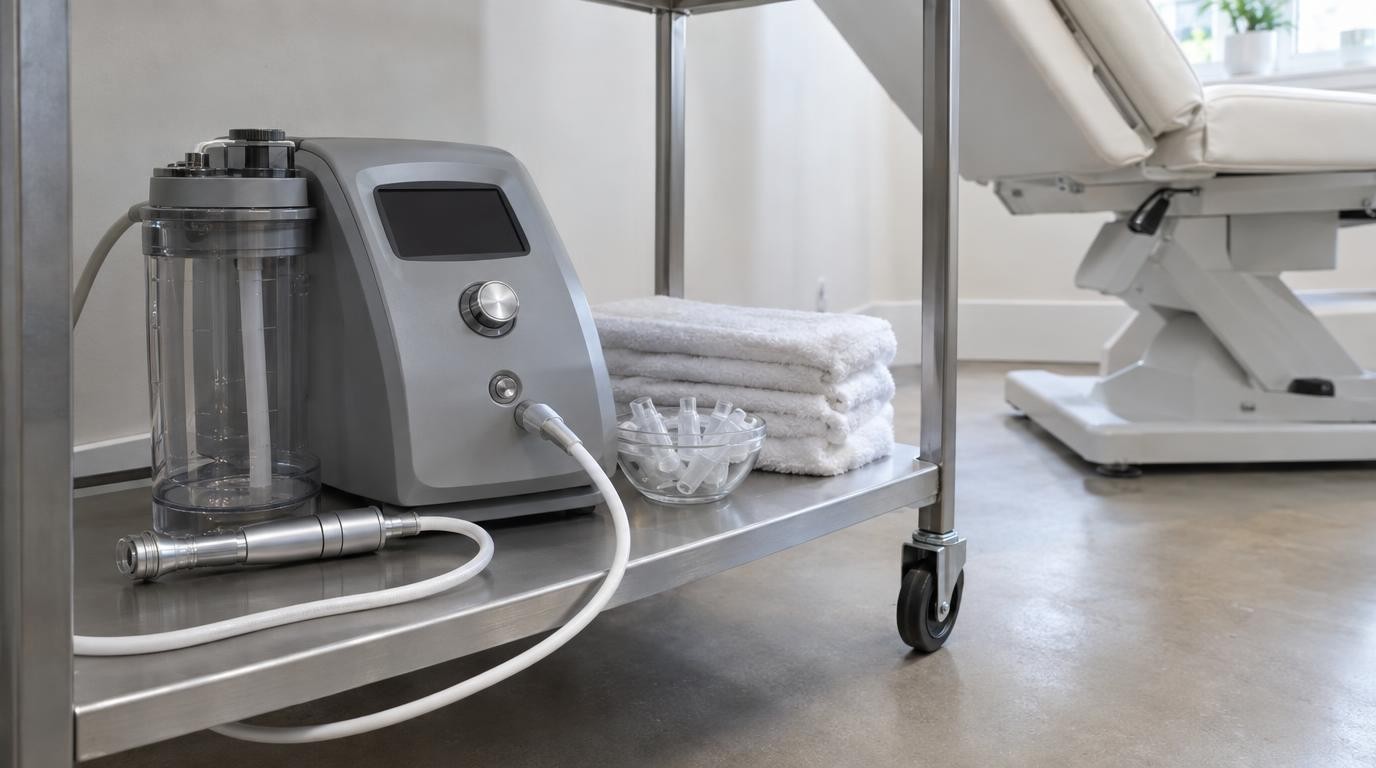
Microdermabrasion is a nonchemical skin-resurfacing treatment. At VIP MediSpa, a handheld wand loosens surface debris, and suction removes it. Because the treatment works at the skin’s surface, microdermabrasion is different from deeper resurfacing procedures used for more pronounced skin concerns.
What Does Microdermabrasion Do to Your Face?
Removing surface cells can make rough texture feel smoother and a dull complexion look more refreshed. The Cleveland Clinic’s microdermabrasion overview notes that most people need multiple treatments to reach their cosmetic goals.
Which Skin Concerns Can Microdermabrasion Improve?
Microdermabrasion may improve dull skin, rough texture, uneven skin tone, fine lines, and some superficial marks or sun-related discoloration. Changes are generally subtle rather than transformative. Deeper acne scars and persistent discoloration may not respond as much to surface exfoliation; melasma may improve modestly after repeated treatments.
The American Society of Plastic Surgeons’ microdermabrasion overview also lists blackheads, acne and enlarged pores among potential concerns. Surface exfoliation may help with blackheads and make enlarged pores look less noticeable, but it cannot eliminate pores. If you have active, inflamed acne, ask us to assess your skin before exfoliation.
The NCBI StatPearls overview of microdermabrasion identifies uneven tone and texture, photoaging, and stretch marks among its uses. For readers comparing approaches to discoloration, our guide to evening skin tone explains why the cause of a mark matters.
Can Microdermabrasion Help With Dark Spots, Melasma, or Acne Scars?
Some surface discoloration and superficial scarring may become less noticeable, but microdermabrasion should not be expected to clear melasma, erase deep acne scars, or permanently remove dark spots. A mark’s depth and cause affect which treatment is appropriate.
What Does Clinical Research Say About Microdermabrasion Results?
A 2016 clinical and tissue-analysis study by El-Domyati and colleagues found mainly mild-to-moderate improvement in melasma, acne scars and stretch marks, and mainly mild improvement in photoaging. In that study, El-Domyati and colleagues treated 38 patients across the four groups with eight treatments at one-week intervals. Tissue analysis found decreased melanization in the melasma group and denser, more regularly arranged collagen in the acne-scar, stretch-mark and photoaging groups; it found no significant change in epidermal thickness or elastic fibers. Those findings show possible benefits under the study’s conditions, not a predictable result for every patient.
What Happens During a Microdermabrasion Facial?
Our facial follows these steps:
- We cleanse your skin.
- We pass a handheld wand over your skin. As described for our facial, it emits tiny diamond particles to loosen surface cells, dirt and excess oil, while suction removes the debris. You may feel mild scratching or suction.
- We apply moisturizer and sunscreen.
How Should You Prepare for Microdermabrasion?
At VIP MediSpa, we recommend avoiding tanning and waxing for the week before your appointment because either can leave skin more sensitive. Arrive without makeup or skincare products on treatment day.
How Long Does a Microdermabrasion Appointment Take?
At VIP MediSpa, a microdermabrasion treatment takes about 60 minutes. The American Academy of Dermatology’s microdermabrasion FAQs put the time to treat an entire face at about 30 to 40 minutes. Treatment times can differ by provider or visit.
What Is Recovery Like After Microdermabrasion?
Recovery is usually brief, though your skin may look slightly pink for a few days after our facial. Slight swelling usually subsides within a day, while dryness or flaking can last several days. We recommend avoiding direct sunlight for the first week and using sunscreen when outdoors. Follow any aftercare instructions tailored to your skin.

Can You Return to Normal Activities After Microdermabrasion?
Yes. You can usually return to normal activities right after our facial; it requires no downtime. Skin may appear refreshed promptly, but that initial appearance is different from the gradual changes some patients seek through repeat treatments. Our guide to microdermabrasion for skin renewal offers more context on setting realistic goals.
How Long Does a Microdermabrasion Last?
Your skin may feel smoother soon after microdermabrasion, but how long visible changes last varies by person and skin concern.
The American Academy of Dermatology says results tend to be temporary; sun protection and a recommended skincare plan may help them last longer.
How Often Can You Have Microdermabrasion?
At VIP MediSpa, you can have repeat facials every two to four weeks. The American Academy of Dermatology says most patients receive 5 to 16 treatments in a series, but some need several weeks to recover before their next session. A fixed schedule is not necessary for everyone.
What Are the Risks of Microdermabrasion, and Who Should Avoid It?
Temporary redness and slight swelling can follow microdermabrasion; bruising or more uncomfortable reactions can also occur in some cases. Before booking, tell us about broken or irritated skin, an active infection, a changing or bleeding spot, or recent isotretinoin use so we can assess whether treatment should wait.
What Are 5 Disadvantages of Microdermabrasion?
Five possible drawbacks are short-lived irritation, greater sun sensitivity, bruising, the need for repeat treatments, and limited effects on deeper skin concerns:
- Short-lived irritation: Some people experience burning or stinging after treatment.
- Greater sun sensitivity: Treated skin can be more sensitive to sunlight, so use sunscreen, especially immediately after treatment.
- Possible bruising: The American Society of Plastic Surgeons’ safety guidance notes that suction can cause bruising that lasts several days.
- Possible repeat sessions: A single treatment may not achieve a patient’s desired change.
- Limited depth of effect: Deeper scars or persistent pigmentation may call for a different approach.
When Should You Postpone Microdermabrasion or Ask for an Assessment?
Ask your own clinician to assess irritated or broken skin, an active infection, a growing, bleeding or changing spot, or a tendency to scar before microdermabrasion. The American Academy of Dermatology says isotretinoin taken within the past six months can increase the risk of complications, including scarring; you may need to wait. A changing or bleeding spot may be skin cancer and needs evaluation before cosmetic exfoliation. Seek prompt medical care if symptoms after a facial become severe or worsen, especially spreading redness, increasing pain, or signs of infection.
Is Microdermabrasion Better Than HydraFacial?
Neither microdermabrasion nor HydraFacial is universally better. The Cleveland Clinic’s dermalinfusion overview describes HydraFacial as combining exfoliation, pore cleansing and serum infusion. Compare how the facials work and what to expect:
| Treatment | Approach | What to consider |
|---|---|---|
| Microdermabrasion | Mechanically exfoliates the outermost skin layer with a handheld wand and suction. At VIP MediSpa, a microderm infusion of key nutrients is an optional add-on to the basic treatment. | Usually requires no downtime, but temporary pinkness and sun sensitivity can occur. |
| HydraFacial | Exfoliates, cleanses pores and infuses serum. | Includes serum infusion. VIP MediSpa cautions that HydraFacial is not intended for people with sensitive skin. |
Your skin concerns, desired treatment experience and sensitivity matter; the different methods alone do not establish that either facial is safer for everyone.
How Is Microdermabrasion Different From Microneedling?
Microdermabrasion exfoliates surface cells with an abrasive handpiece, while minimally invasive microneedling uses needles to stimulate a skin response, including collagen production. We offer both treatments and can discuss which approach fits your skin concerns.
How Is Microdermabrasion Different From Dermabrasion?
Dermabrasion is generally deeper and more intensive than microdermabrasion; the terms do not describe interchangeable facials. The Cleveland Clinic’s dermabrasion guidance describes a high-speed rotary instrument that removes outer skin layers and requires healing care. According to Cleveland Clinic, healing after dermabrasion usually takes 10 to 14 days.
Frequently Asked Questions
Can you get microdermabrasion anywhere besides your face?
Yes. Cleveland Clinic says microdermabrasion can be performed on the neck, back, hands and chest, as well as the face. At VIP MediSpa, we offer it as a facial.
Does microdermabrasion hurt, or do you need numbing cream?
Microdermabrasion is typically painless and usually does not require an anesthetic, according to the American Society for Dermatologic Surgery. You may feel mild scratching, vibration, or suction as the device exfoliates your skin.
Is an at-home microdermabrasion kit the same as a professional treatment?
No. The American Academy of Dermatology says a dermatologist’s microdermabrasion treatment goes somewhat deeper than an at-home kit. Do not assume a kit will produce the same exfoliation or results.
Is microdermabrasion safe for darker skin tones?
Yes. The American Academy of Dermatology says microdermabrasion can be performed on all skin colors. People who develop dark spots after acne or an injury may have a higher risk of new dark spots after treatment.
Can microdermabrasion stop skin aging?
No. Microdermabrasion can improve the appearance of some signs of aging, but it cannot stop the normal aging process. Cleveland Clinic notes that skin cells continue to age and die after treatment.
Can microdermabrasion help skincare products absorb better?
Yes. Exfoliating the outermost skin layer can help some skincare products penetrate more easily. The American Academy of Dermatology notes that dermatologists may use microdermabrasion to improve the results of anti-aging and skin-lightening products. Not every product is suitable immediately afterward, especially if it irritates your skin.
Can you combine microdermabrasion with other cosmetic treatments?
Yes. At VIP MediSpa, we may recommend microdermabrasion alongside injectables, skin resurfacing or tightening, or facial contouring. These treatments do not necessarily take place during the same appointment.
Where Can You Discuss Microdermabrasion in Portland, Oregon?
VIP MediSpa in Portland, Oregon, offers microdermabrasion facials for people seeking superficial exfoliation with little downtime. We also offer chemical peels, which can exfoliate more deeply; our microdermabrasion and chemical peel comparison covers how these options differ.
If you would like a plan based on your skin rather than a promised outcome, contact VIP MediSpa in Portland, Oregon, to request an individual consultation.
This information is general and is not medical advice. Talk to a licensed clinician about your own situation before making a treatment decision.