

Last updated: September 8, 2026
Portland-area residents are increasingly treating aesthetic procedures as essential self-care rather than occasional indulgence. The medical spa industry is evolving rapidly, with treatments like dermaplaning moving from occasional pampering into routine skin maintenance. This shift reflects broader changes in how people approach skincare, creating new possibilities for those seeking smoother, brighter skin with minimal commitment.
What Is Dermaplaning and How Does It Work?
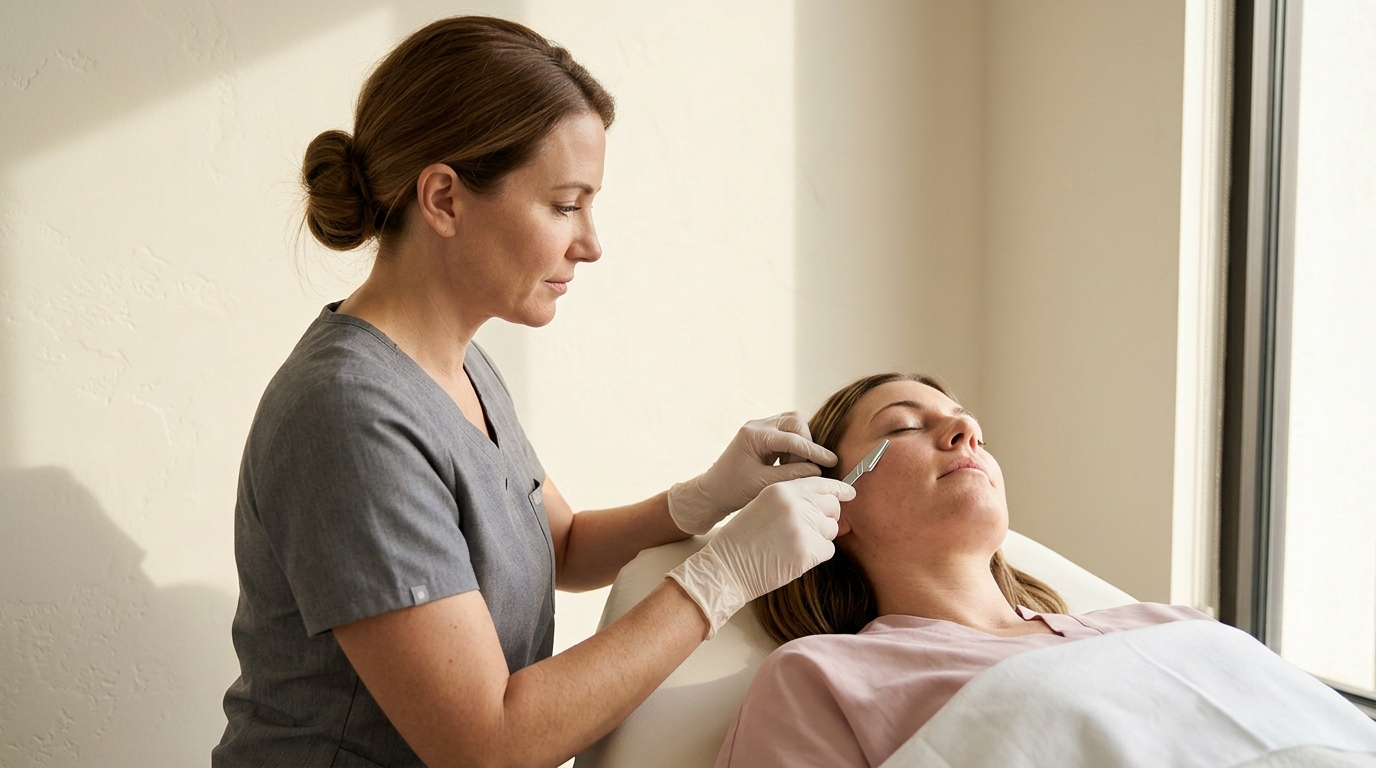
Dermaplaning is a non-invasive exfoliation treatment that uses a sterile surgical blade to gently remove dead skin cells, debris, and vellus hair (commonly called peach fuzz) from the skin’s surface. Licensed aestheticians perform this treatment at precise angles to safely slough off the outermost layer of skin, revealing a smoother, brighter complexion underneath.
How Do Aestheticians Perform Dermaplaning?
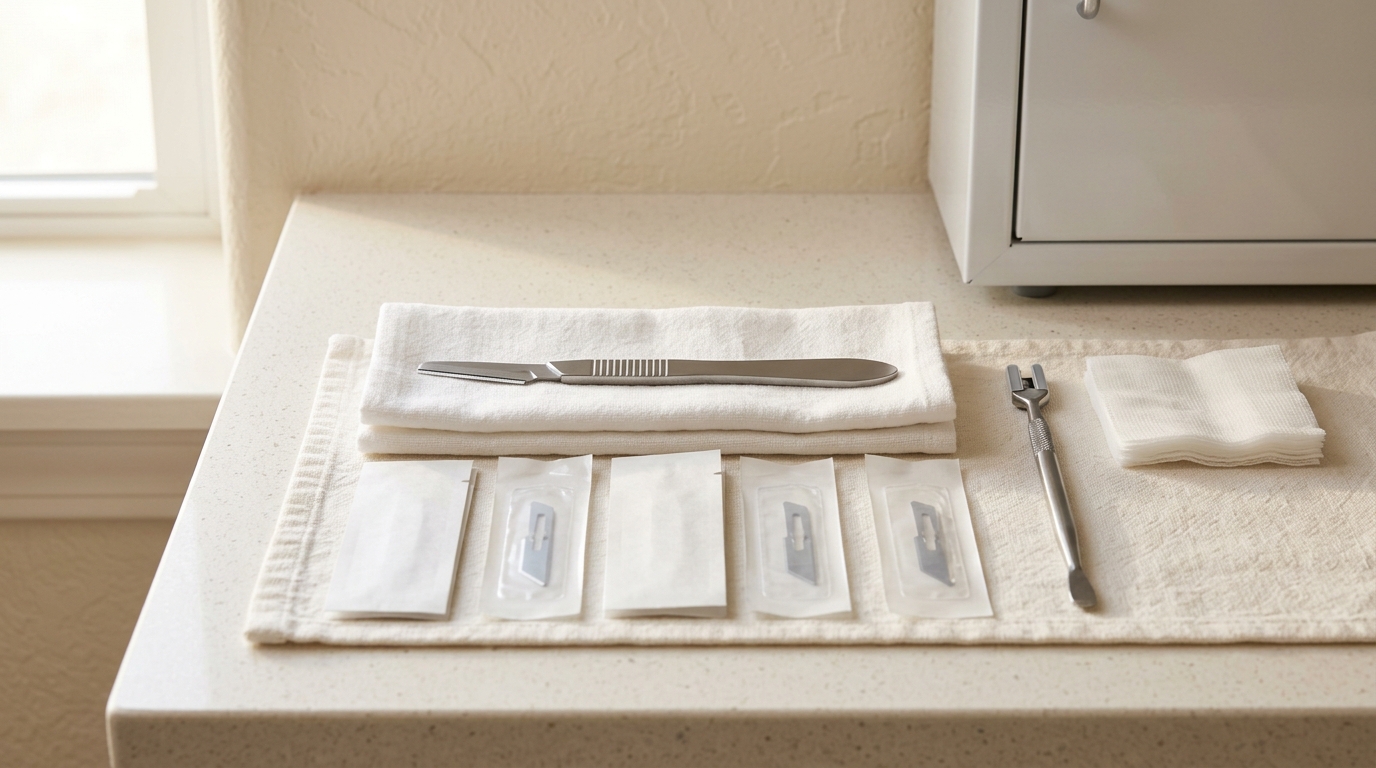
During a dermaplaning session, a trained aesthetician holds the surgical blade at a 45-degree angle and lightly scrapes across clean, dry skin in short, controlled strokes. This physical exfoliation technique removes the buildup of dead skin cells that can accumulate over time, particularly in areas prone to dryness or rough texture. For those interested in professional treatment, our dermaplaning services are performed by licensed aestheticians in Portland. The process typically takes 30 to 45 minutes and requires no numbing or downtime.
Is Dermaplaning Safe When Done by a Professional?
When performed by a licensed aesthetician at a qualified med spa, dermaplaning is considered a safe and effective treatment for most skin types. Professional training ensures the aesthetician understands proper blade angles, pressure application, and hygiene protocols that minimize risks. Attempting dermaplaning at home without proper training increases the chance of nicks, irritation, or infection, making professional treatment the recommended approach.
What Skin Concerns Can Dermaplaning Address?
Dermaplaning effectively targets multiple skin concerns in a single session, making it an efficient option for those looking to improve rough texture, dull skin, flaky patches, and uneven skin tone. The treatment also removes vellus hair that can trap oils and debris, contributing to a clearer complexion. Many patients find that their skincare products absorb better and their makeup applies more smoothly after treatment. As part of a comprehensive skincare approach, dermaplaning can be combined with treatments like microdermabrasion for skin renewal for enhanced results.
How Does Dermaplaning Improve Rough Texture?
Rough texture often develops from dead skin cell accumulation, environmental damage, or dry patches that create an uneven skin surface. By physically removing this outer layer, dermaplaning instantly smooths the skin and creates a more even canvas. Regular treatments can help maintain this smoothness and support long-term texture improvement when combined with a consistent skincare routine.
Can Dermaplaning Help With Dull Skin and Uneven Tone?
Dullness occurs when dead skin cells reflect light unevenly, while uneven skin tone may result from sun damage, post-inflammatory pigmentation, or general discoloration. Dermaplaning removes the pigmented, damaged top layer of skin to reveal fresher cells underneath, improving radiance and creating a more uniform appearance. For those seeking more comprehensive correction of uneven tone, treatments like the HALO laser and BroadBand Light combination treatment may be discussed during a consultation.
Why Is Dermaplaning Growing in Popularity?
This substantial expansion reflects a fundamental shift in consumer behavior: aesthetic procedures are no longer viewed primarily as luxury indulgences but as routine components of personal care.
What Is Driving the Shift Toward Routine Aesthetic Treatments?
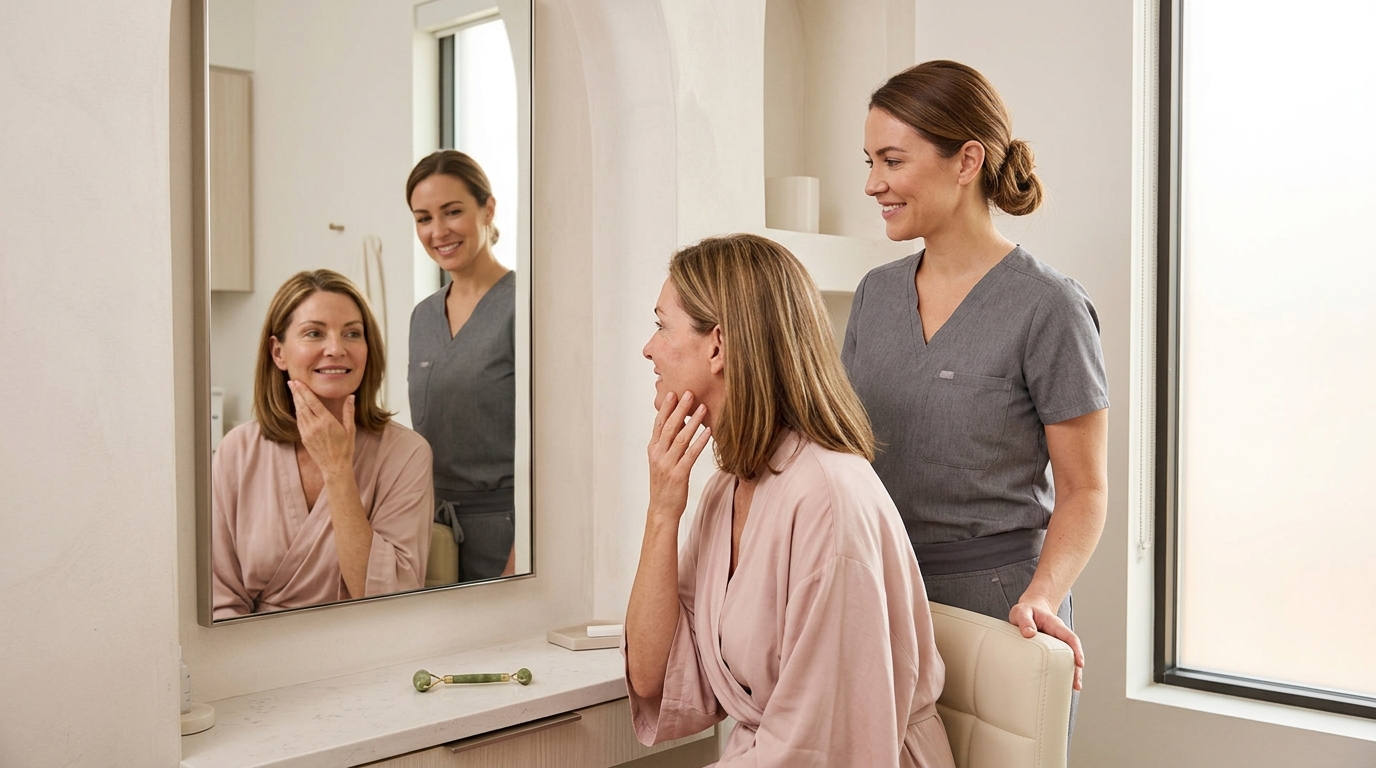
Several factors contribute to this normalization, including increased accessibility, social media awareness, and a cultural emphasis on wellness and self-investment. Portland’s wellness-forward community has embraced treatments like dermaplaning as accessible forms of self-care that deliver noticeable results without significant downtime. In practice, many aestheticians observe that patients often begin with entry-level treatments like dermaplaning and progressively explore more comprehensive options over time.
Who Is an Ideal Candidate for Dermaplaning?
Most healthy adults seeking smoother, brighter skin are good candidates for dermaplaning. The treatment works well for all skin types and tones, and it appeals particularly to those wanting immediate results without recovery time. Whether addressing specific concerns like rough texture or simply maintaining healthy, glowing skin, dermaplaning fits easily into a regular skincare regimen.
Can I Get Dermaplaning if I Have Sensitive Skin?
Individuals with sensitive skin can often receive dermaplaning safely, though a thorough consultation with a licensed aesthetician is essential first. Those with extremely reactive skin conditions or active inflammation may need to address underlying issues before treatment. A professional assessment ensures the treatment plan aligns with the skin’s specific needs and sensitivities.
Is Dermaplaning Safe During Pregnancy?
Dermaplaning is generally considered safe during pregnancy because it does not involve chemicals or medications that could affect the developing baby. The treatment uses only a sterile blade and does not penetrate deep layers of skin. Pregnant individuals interested in dermaplaning should always confirm with their healthcare provider, but many med spas routinely offer this service to expectant mothers seeking gentle, effective exfoliation.
What Should I Expect During and After Treatment?
Dermaplaning is a comfortable, straightforward procedure that fits easily into a busy schedule. Patients can typically return to normal activities immediately, making it an appealing option for those with demanding lifestyles who want visible results without disruption. Understanding what to expect helps set realistic expectations and ensures a positive experience.
How Does Dermaplaning Feel?
Most patients describe the sensation as a gentle, tickling scrape across the skin, with no significant discomfort. The aesthetician may work in sections, allowing patients to relax during the treatment. Unlike some exfoliation methods that can feel abrasive or cause stinging, dermaplaning typically produces a smooth, pleasant sensation that patients find relaxing. For a closer look at dermaplaning vs microdermabrasion, learn how each approach fits different skin goals.
What Does Post-Treatment Care Involve?
After dermaplaning, the skin may appear slightly pink but usually resolves within hours. Patients should apply a gentle moisturizer and sunscreen, as freshly exposed skin is more susceptible to sun sensitivity. Avoiding harsh skincare products, retinoids, or aggressive exfoliants for 24 to 48 hours allows the skin to recover. Regular moisturizing and consistent sun protection help maintain results and support overall skin health.
Risks, Side Effects and Who Is Not a Candidate
While dermaplaning is generally safe when performed by trained professionals, it carries potential side effects that patients should understand. Common side effects include temporary redness, mild sensitivity, and slight irritation immediately following treatment. Less commonly, patients may experience a reaction to skincare products applied during or after the procedure, or rarely, superficial cuts if the blade is applied too firmly.
Certain individuals should avoid dermaplaning or discuss alternatives with their provider. Those with active acne, rosacea flares, eczema, psoriasis, sunburn, or open wounds should postpone treatment until the condition resolves. Patients with a history of cold sores may need antiviral precautions, and those who have recently undergone cosmetic procedures like chemical peels or laser treatments should follow their provider’s guidance on timing. Discussing medical history and skin conditions with a qualified aesthetician before treatment ensures appropriate care and helps identify the most suitable approach for each individual’s needs.
Frequently Asked Questions
What is dermaplaning and how does it work?
Dermaplaning is a non-invasive exfoliation treatment that uses a sterile surgical blade to remove dead skin cells, debris, and vellus hair from the skin’s surface. A licensed aesthetician holds the blade at a 45-degree angle and gently scrapes across clean, dry skin in short, controlled strokes. This physical exfoliation reveals a smoother, brighter complexion and typically takes 30 to 45 minutes with no downtime required.
How long does a dermaplaning session take?
A typical dermaplaning session takes 30 to 45 minutes to complete. During the treatment, the aesthetician works in sections, gently scraping the skin with a sterile blade to remove dead skin cells and vellus hair. Most patients describe the sensation as a gentle, tickling scrape with no significant discomfort, and there is no numbing or recovery time needed afterward.
What skin concerns can dermaplaning address?
Dermaplaning effectively targets rough texture, dull skin, flaky patches, and uneven skin tone in a single session. The treatment removes vellus hair that can trap oils and debris, contributing to a clearer complexion. Many patients also find that their skincare products absorb better and makeup applies more smoothly after treatment, making it an efficient option for multiple concerns.
Who is an ideal candidate for dermaplaning?
Most healthy adults seeking smoother, brighter skin are good candidates for dermaplaning. The treatment works well for all skin types and tones, including those with sensitive skin, though a thorough consultation with a licensed aesthetician is recommended first. It appeals particularly to individuals wanting immediate results without recovery time, and it fits easily into regular skincare regimens.
What results can I expect after dermaplaning treatment?
After dermaplaning, you can expect smoother, brighter skin with improved texture and radiance. The treatment removes the outer layer of dead skin cells that reflect light unevenly, creating a more uniform appearance. Makeup typically applies more smoothly, and skincare products absorb better. The skin may appear slightly pink immediately after treatment, but this usually resolves within hours.
Is dermaplaning safe during pregnancy?
Dermaplaning is generally considered safe during pregnancy because it does not involve chemicals or medications that could affect the developing baby. The treatment uses only a sterile blade and does not penetrate deep layers of skin, making it a gentle option for expectant mothers seeking effective exfoliation. Pregnant individuals should always confirm with their healthcare provider, but many med spas routinely offer this service to expectant mothers.
What post-treatment care does dermaplaning require?
Post-treatment care involves applying a gentle moisturizer and sunscreen, as freshly exposed skin is more susceptible to sun sensitivity. Patients should avoid harsh skincare products, retinoids, or aggressive exfoliants for 24 to 48 hours to allow the skin to recover. Regular moisturizing and consistent sun protection help maintain results and support overall skin health.
This article is general information and is not medical advice. Talk to a licensed clinician about your own situation before making a treatment decision.






