

Last updated: September 25, 2026
Dermaplaning effectively removes peach fuzz along with dead skin cells in a single treatment session. This dual-purpose procedure uses a sterile surgical scalpel to exfoliate the skin’s surface while simultaneously eliminating vellus hair, revealing a smoother and brighter complexion. At Vip MediSpa in Portland, Oregon, licensed aestheticians perform dermaplaning as part of our comprehensive skin rejuvenation offerings, helping patients from Fairview and surrounding communities achieve smoother, more radiant skin.
Does Dermaplaning for Peach Fuzz Work? How the Treatment Removes Facial Hair
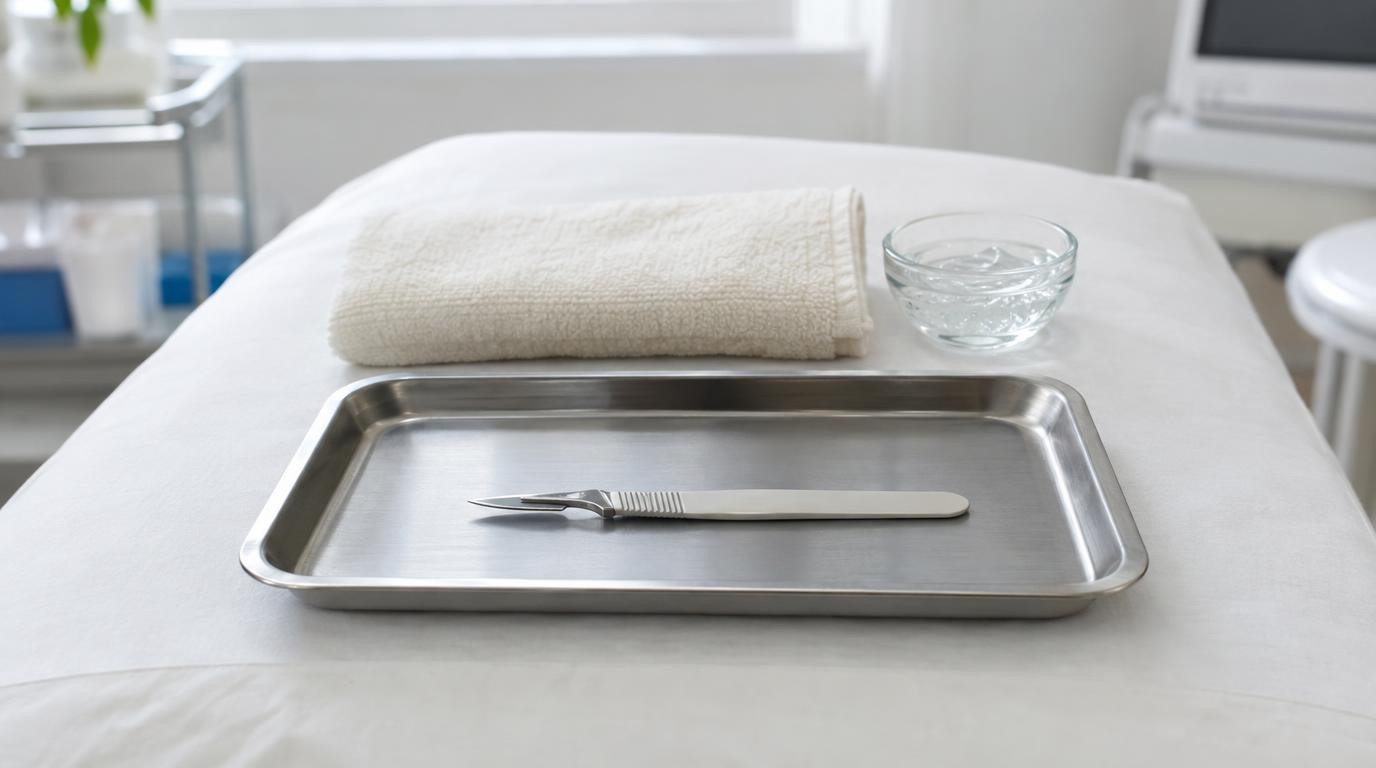
Dermaplaning removes peach fuzz and dead skin through a controlled physical exfoliation technique using a sterile surgical scalpel. A trained aesthetician holds the blade at a precise angle and gently scrapes across the skin’s surface, removing the outermost layer of dead skin cells along with fine vellus hair in one pass. This dual-action mechanism distinguishes dermaplaning from treatments that address only one concern at a time. For a closer look at dermaplaning vs microdermabrasion, explore how each treatment fits different skin goals.
What makes dermaplaning different from other exfoliation methods?
Unlike chemical peels that use acids to dissolve dead skin or microdermabrasion that relies on abrasive crystals, dermaplaning provides manual, controlled exfoliation with immediate visual results. According to Hopkins Medicine, dermaplaning is performed by trained skincare professionals using surgical instruments specifically designed for this purpose. The procedure requires no chemicals, making it suitable for patients who prefer a natural approach to skin refinement. Our team at Vip MediSpa offers dermaplaning for peach fuzz removal as a standalone treatment or in combination with other facial treatments for enhanced results.
What Are the Benefits of Dermaplaning for Peach Fuzz Removal and Skin Rejuvenation?
Dermaplaning delivers multiple skin benefits simultaneously, making it an efficient choice for patients seeking comprehensive facial rejuvenation. The removal of dead skin cells allows new, healthy skin to surface, while eliminating peach fuzz creates an exceptionally smooth canvas for skincare products and makeup application. Patients often report that their skin feels softer and appears more luminous immediately following treatment.

How does dermaplaning improve skin texture and tone?
The exfoliation process smooths rough texture by removing the build-up of dead cells that can make skin feel uneven. By revealing fresher skin underneath, dermaplaning helps reduce the appearance of dullness. The procedure also allows topical skincare products to penetrate more effectively, maximizing their benefits. When combined with chemical peels, dermaplaning may help brighten overall skin tone. Patients considering advanced combination approaches may find our guide to how to even skin tone helpful.
Who Is a Good Candidate for Dermaplaning?
Most adults seeking smoother skin and peach fuzz removal make good candidates for dermaplaning. The treatment works well for individuals with dry or dull skin, those wanting to improve skincare product absorption, and patients preparing for special occasions who want an immediately smoother canvas. Dermaplaning is safe for all Fitzpatrick skin types, making it one of the most versatile exfoliation options available.
What skin types work best with dermaplaning?
Dermaplaning is safe for all Fitzpatrick skin types, though individual considerations apply. Patients with active acne, cystic breakouts, or certain skin conditions should discuss alternatives with their aesthetician. Those with very sensitive skin may experience temporary redness and should inform their provider before treatment. Understanding whether this treatment suits your skin type is important, and our article on professional vs at-home peach fuzz removal provides additional guidance for making an informed decision.
What Happens During a Dermaplaning Treatment?
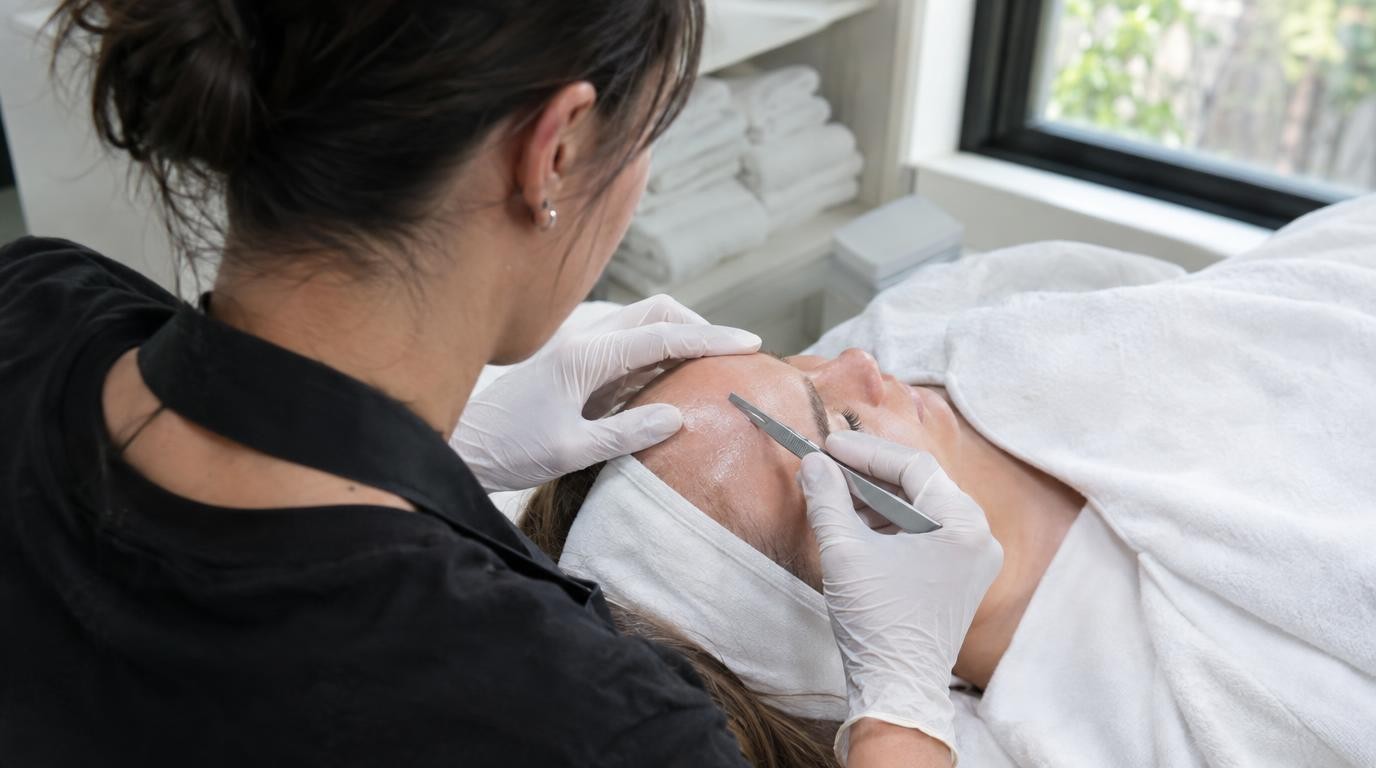
During a dermaplaning session, your aesthetician will cleanse your skin thoroughly before using a sterile surgical scalpel to gently scrape the surface at controlled angles. The practitioner works systematically across the face, ensuring even coverage while maintaining consistent pressure for uniform exfoliation. The procedure is painless for most patients, who often describe the sensation as a light scratching feeling.
How long does a typical dermaplaning session take?
A standard dermaplaning treatment is a relatively quick procedure, making it a convenient option for patients with busy schedules. No numbing or downtime is required, though applying sunscreen afterward is essential since the newly exposed skin cells are more susceptible to sun exposure. Patients from Fairview and nearby communities can easily schedule treatment during a lunch break and return to normal activities immediately. Results vary by individual, and your aesthetician may recommend combining dermaplaning with other treatments like chemical peels or microdermabrasion for more comprehensive skin renewal.
Risks, Side Effects and Who Is Not a Candidate
Dermaplaning is generally safe when performed by trained professionals, but potential side effects include temporary redness, minor skin irritation, and in rare cases, infection if proper sterilization protocols are not followed. Some patients may experience sensitivity to skincare products immediately after treatment. The procedure is not recommended for individuals with active inflammatory skin conditions such as rosacea, eczema, or cystic acne, as scraping can aggravate these conditions. Patients with a history of keloid scarring should discuss alternatives with their provider. As with any cosmetic procedure, discussing your complete medical history with your aesthetician ensures the treatment is appropriate for your individual circumstances.
Is Dermaplaning Right for You?
Dermaplaning offers a safe, effective solution for removing peach fuzz while simultaneously exfoliating the skin, making it an attractive option for those seeking smoother texture and enhanced radiance. The treatment’s versatility, minimal downtime, and immediate results have contributed to its growing popularity among patients in the Portland area. Understanding both the benefits and limitations helps you make an informed decision about whether this treatment aligns with your skincare goals. Patients interested in combining dermaplaning with other treatments may want to explore laser skin resurfacing or skin tag removal options for comprehensive facial rejuvenation. For those considering dermaplaning to enhance their advanced skin treatment outcomes, our partner resource provides additional dermaplaning advanced skin treatment results information.
If you are ready to experience the benefits of dermaplaning for yourself, the team at Vip MediSpa in Portland, Oregon welcomes the opportunity to discuss your options. Schedule a consultation with our experienced aestheticians to learn whether dermaplaning is the right choice for your skin type and goals. Contact us at (503) 513-5533 or visit our website to book your appointment today.
Frequently Asked Questions
Does dermaplaning remove both peach fuzz and dead skin at the same time?
Yes, dermaplaning removes both peach fuzz and dead skin cells in a single treatment session. The procedure uses a sterile surgical scalpel held at a precise angle to gently scrape across the skin’s surface, exfoliating the outermost layer of dead cells while simultaneously eliminating fine vellus hair. This dual-action mechanism sets it apart from treatments that address only one concern.
What immediate results can I expect after dermaplaning?
You can expect your skin to feel softer and appear more luminous immediately following treatment. The removal of dead skin cells reveals new, healthy skin underneath, creating an exceptionally smooth canvas for skincare products and makeup application. Results vary by individual, and many patients notice a brighter complexion right away.
How long does a dermaplaning session take and is there any recovery time?
The length of a dermaplaning session varies, but it is typically a relatively quick procedure. No numbing or downtime is required, and you can return to normal activities immediately after your session. However, applying sunscreen afterward is essential since the newly exposed skin cells are more susceptible to sun exposure.
What should I avoid after getting dermaplaning?
After dermaplaning, you should avoid sun exposure without protection and apply sunscreen regularly since your newly exposed skin cells are more vulnerable to UV damage. You may also experience temporary sensitivity to skincare products immediately following treatment, so your aesthetician may recommend avoiding harsh products for a day or two.
Can dermaplaning help my skincare products work better?
Yes, dermaplaning allows topical skincare products to penetrate more effectively by removing the barrier of dead skin cells. The exfoliation process smooths rough texture and reveals fresher skin underneath, maximizing the benefits of your regular skincare routine. This makes your products more efficient and can enhance overall skin health.
Is dermaplaning safe for people with sensitive skin?
Dermaplaning is safe for all Fitzpatrick skin types, including sensitive skin. However, patients with very sensitive skin may experience temporary redness after treatment and should inform their provider beforehand. Individuals with active inflammatory conditions like rosacea, eczema, or cystic acne should discuss alternatives with their aesthetician, as scraping can aggravate these conditions.
This article is general information and is not medical advice. Talk to a licensed clinician about your own situation before making a treatment decision.






