

Last updated: November 17, 2026
Dermaplaning vs microdermabrasion comes down to your main skin goal: dermaplaning removes peach fuzz as it exfoliates, while microdermabrasion exfoliates without targeting facial hair and is used for concerns such as uneven tone and texture. At Vip MediSpa, our professional dermaplaning facial in Portland, Oregon offers the hair-removal option; the condition of your skin matters as much as the result you want.
What Is the Difference Between Dermaplaning and Microdermabrasion?
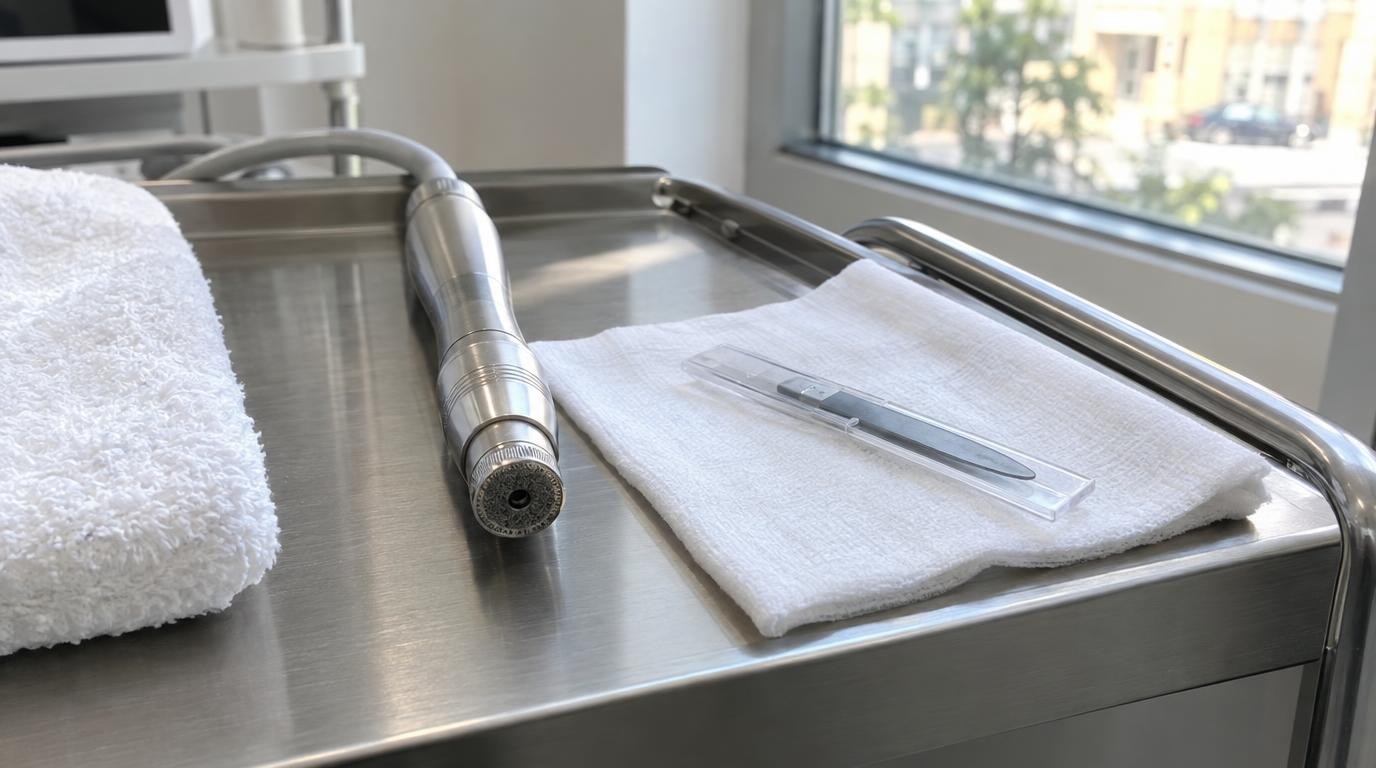
Professional dermaplaning uses a small blade to remove dead surface cells and peach fuzz. Microdermabrasion uses an abrasive handheld device to exfoliate without targeting facial hair. The clinical review of microdermabrasion describes a crystal-based method that propels abrasive particles against the skin using a handheld vacuum system, removing the outermost layer of the epidermis. Microdermabrasion devices can differ; not every device uses crystals.
The practical differences are easiest to compare by goal:
| Goal or feature | Dermaplaning | Microdermabrasion |
|---|---|---|
| Peach fuzz | Removes fine surface facial hair | Does not target facial hair |
| Exfoliation method | Small blade lifts away surface cells and hair | Abrasive handheld device; the crystal-based method uses suction |
| Common priority | A smoother surface without peach fuzz | Concerns such as uneven texture or tone without a hair-removal goal |
Should I get dermaplane or microdermabrasion?
If peach fuzz bothers you, dermaplaning removes it while exfoliating; if you want exfoliation without hair removal, we can discuss whether microdermabrasion fits your skin. If fine wrinkles are your priority and neither treatment seems suitable, ask about a chemical peel as a separate option. The American Society of Plastic Surgeons’ guide to skin-refinishing procedures notes that peels are used more often for fine wrinkles. A peel can be considered on its own, not only in combination with dermaplaning.
How Does a Professional Dermaplaning Facial Work?
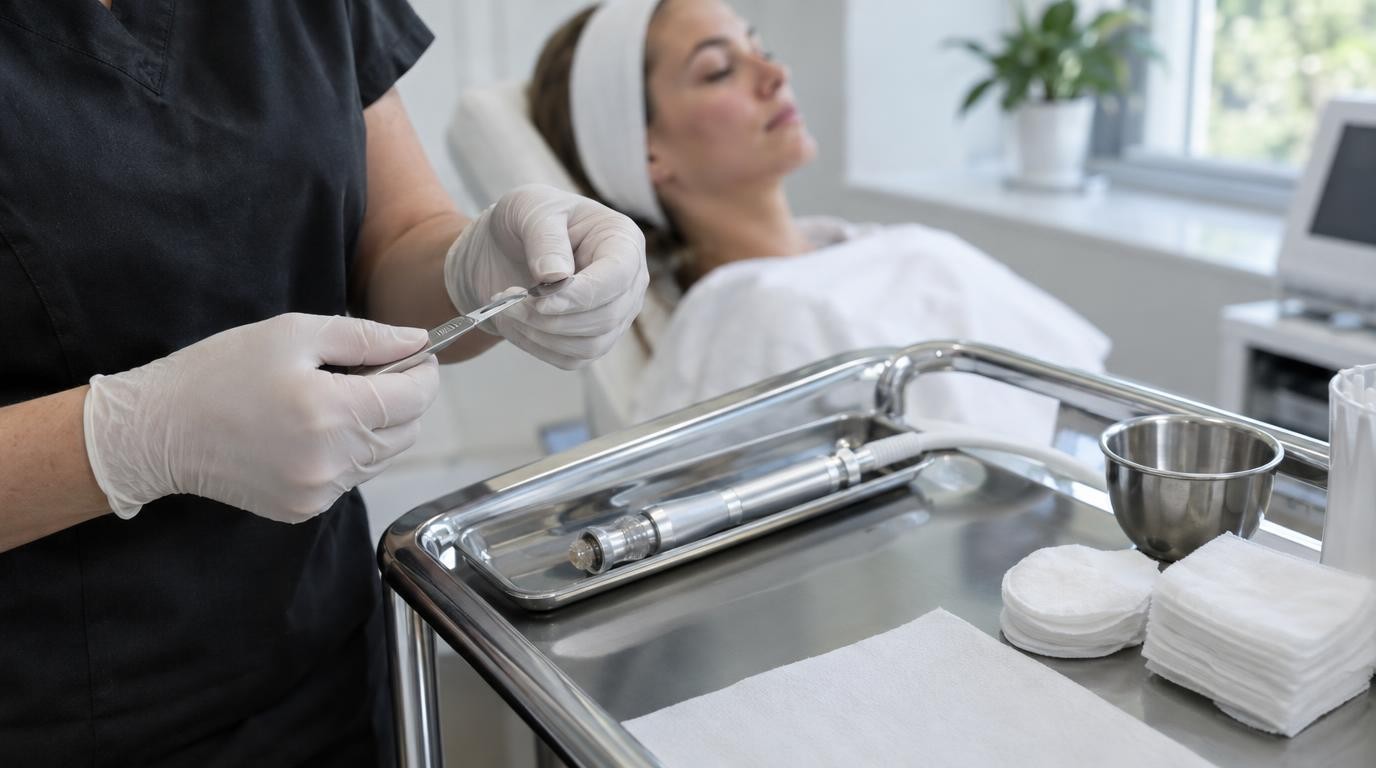
At Vip MediSpa in Portland, Oregon, a licensed aesthetician gently uses a small blade to remove surface debris, dead skin cells and peach fuzz. The treatment exfoliates without using a microdermabrasion device.
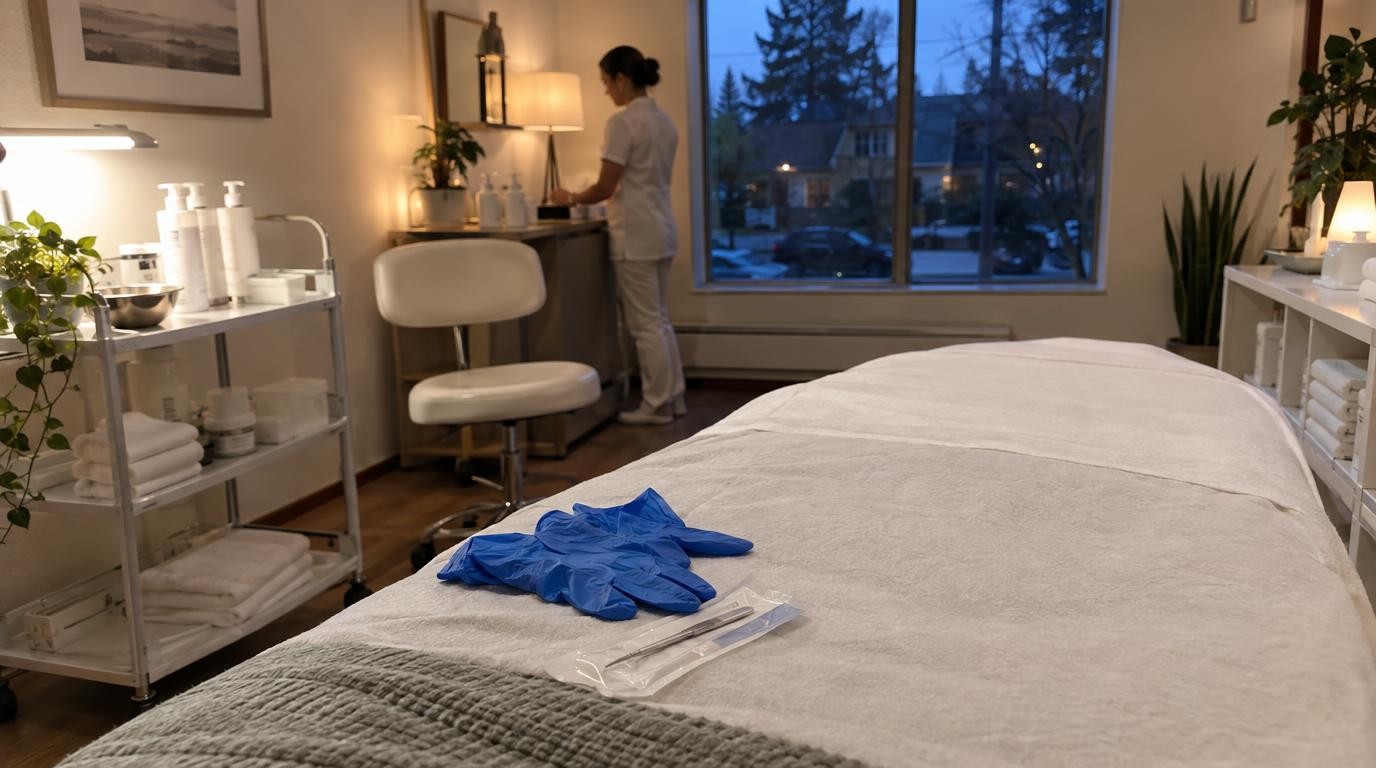
The blade passes over the skin’s surface to lift away accumulated cells and fine facial hair, leaving the treated area feeling smoother. We may pair dermaplaning with a chemical peel to help brighten uneven-looking tone when your skin is suited to both treatments.
Should you get a facial with dermaplaning?
A facial with dermaplaning can make sense when you want both surface exfoliation and peach fuzz removal. Combining services is not automatically better than a standalone treatment: your current skin condition and the other steps in the facial determine whether the combination is suitable.
Which Skin Goals Point Toward Each Exfoliation Treatment?
If you want peach fuzz removed and a smoother base for makeup, dermaplaning directly addresses the fine hair. If tone or texture matters more than hair removal, microdermabrasion may be the better option to discuss. The clinical review also describes microdermabrasion as used for photoaging, melasma, stretch marks and scars, including acne scars; the American Society for Dermatologic Surgery’s guidance on microdermabrasion lists enlarged pores, mild acne and fine wrinkles. These are potential uses, not a promise that treatment will improve every concern or erase deep scars. Active, inflamed acne needs assessment before exfoliation.
Which option makes more sense for peach fuzz and makeup application?
Dermaplaning removes peach fuzz; microdermabrasion does not target it. Removing the hair and surface debris may help makeup glide over the skin more evenly, though the visible effect varies. For a closer look at that goal, see our guide to dermaplaning for peach fuzz and this educational discussion of benefits beyond peach fuzz removal.
Serum may also feel easier to spread over a smoother surface. That experience should not be confused with proof that a dermaplaning facial increases product absorption. By contrast, the clinical review reports studies in which microdermabrasion increased skin permeability and enhanced delivery of transdermal medications applied to treated skin. That finding does not establish that ordinary serums will work better or justify changing how you use a prescribed medication.
Which option makes more sense for rough texture, dull skin, or uneven tone?
For mild rough texture or uneven-looking tone without a hair-removal goal, microdermabrasion is an option to discuss. Dermaplaning can also reduce the dull appearance of surface buildup, especially when peach fuzz contributes to the concern. Neither surface treatment should be treated as a guaranteed solution for deep scars or fine lines; our guide to how microdermabrasion works explains that procedure in more detail.
What Results and Recovery Can You Expect After Each Treatment?
Dermaplaning can leave skin feeling smoother and visibly free of peach fuzz as soon as surface hair and debris are removed. Microdermabrasion results for texture or tone are easier to judge after initial redness settles. Repeated treatments are often needed for these goals; how much improvement you see and how long it lasts vary.
Most people have no downtime after microdermabrasion, according to the American Academy of Dermatology’s microdermabrasion guidance. Pinkness or slight swelling generally fades within a day, though some people feel uncomfortable going out for a day or two. The American Society of Plastic Surgeons’ microdermabrasion safety guidance notes that dryness and flaking may last several days, as may a suction-related bruise. Skin may feel tender after either treatment, and individual recovery varies.
How soon might skin feel smoother?
After dermaplaning, the loss of peach fuzz and surface buildup can make smoothness noticeable right away. Microdermabrasion can also leave a smoother surface, but changes in roughness or uneven-looking tone may be easier to assess after initial redness has faded.
What should you do after exfoliation?
After microdermabrasion, the American Society for Dermatologic Surgery recommends moisturizer and daily broad-spectrum sunscreen with an SPF of 30 or above. Follow your clinician’s aftercare instructions and keep skin care gentle after either treatment.
What Are the Risks, Side Effects, and Reasons to Postpone Treatment?
Neither exfoliation treatment is risk-free. A dermaplaning blade can irritate skin or cause a small nick. Pigment changes, infection and scarring are among the potential risks discussed in the American Society of Plastic Surgeons’ dermabrasion and dermaplaning safety guidance for surgical skin-refinishing procedures. Their likelihood cannot be assumed to match that of our gentler, superficial dermaplaning facial. Postpone exfoliation if skin is infected, broken or substantially inflamed. A mole or other spot that is growing, bleeding or changing needs medical evaluation before microdermabrasion. If you scar easily, consult a dermatologist before microdermabrasion. Discuss your skin history and treatment suitability with your own licensed clinician before proceeding.
What are the downsides of microdermabrasion?
Microdermabrasion can burn or sting and increase sun sensitivity. It can also cause dark patches or brown streaks that may take several weeks to fade, in addition to the redness, dryness and occasional bruising described above. The American Society for Dermatologic Surgery cautions that overly aggressive treatment can cause scarring and that conservative settings help reduce discoloration, particularly in skin of color. The StatPearls review of microdermabrasion characterizes complications as minimal, but that does not rule out these effects for an individual patient.
When should someone avoid dermaplaning or ask a clinician first?
The American Society of Plastic Surgeons’ candidate guidance says most surgeons avoid skin-refinishing procedures during active acne because of infection risk. Frequent cold sores, a bad skin burn or a previous chemical peel also warrant assessment before considering dermaplaning.
Seek urgent medical care if spreading redness occurs with fever, pus or rapidly worsening pain after treatment. Those symptoms need evaluation rather than another exfoliation session.
Will Hair Grow Back Thicker After Dermaplaning?
No. Removing peach fuzz at the skin’s surface does not change the hair follicle or cause the hair to grow back thicker. Short regrowth may feel different against your fingers, but dermaplaning is temporary hair removal, not permanent hair reduction.
Hair will become noticeable again as it grows.
Frequently Asked Questions
Does microdermabrasion hurt or require anesthesia?
Microdermabrasion usually does not hurt or require anesthesia. You may feel a sanding sensation as the handheld device removes the top layer of skin. A clinical review describes it as an outpatient procedure performed without anesthesia, while the American Academy of Dermatology says the sensation is not painful.
How long does a microdermabrasion appointment take?
Treating the entire face with microdermabrasion takes about 30 to 40 minutes; treating the neck takes about 20 minutes, according to the American Academy of Dermatology. Those are treatment times, not necessarily the length of your full appointment.
How often can you get microdermabrasion?
Most people can safely have another microdermabrasion treatment a week later, but some need several weeks to recover, according to the American Academy of Dermatology. One week describes when another treatment may be possible, not a recommended weekly schedule; discuss timing based on your skin’s recovery and goals.
Can I get microdermabrasion if I have taken isotretinoin?
If you currently take isotretinoin or have taken it within the past 6 months, the American Academy of Dermatology warns of a higher risk of complications, including scarring, and says you may need to wait before microdermabrasion. Do not stop prescribed medication without consulting its prescriber.
Is microdermabrasion an option if chemical peels irritate my skin?
Possibly. The American Society for Dermatologic Surgery describes microdermabrasion as an option for people with sensitive skin who cannot tolerate chemical peels. It can still cause irritation or discoloration, so ask a clinician to assess your skin before choosing it.
Should I stop using a retinoid before microdermabrasion?
Yes. The American Society for Dermatologic Surgery advises stopping topical retinoids before microdermabrasion because of a potential adverse reaction. If your retinoid is prescribed, follow your prescriber’s instructions rather than stopping it independently.
Is microdermabrasion the same as dermabrasion?
No. The American Society of Plastic Surgeons describes microdermabrasion as a less invasive form of dermabrasion. Microdermabrasion gently removes the outermost skin layer with a handheld device; dermabrasion uses controlled surgical scraping. They are different procedures, so do not assume their expected results or recovery are interchangeable.
Book a Dermaplaning Consultation in Portland
To book dermaplaning at Vip MediSpa in Portland, Oregon, including if you’re visiting from Maywood Park, call (503) 513-5533.
To request a dermaplaning consultation or appointment, call us at (503) 513-5533. Our founder and Medical Director is Dr. Max Grishkevich, MD. We offer both dermaplaning and microdermabrasion, and our team can discuss which option suits your skin.
This information is general and is not medical advice. Talk to a licensed clinician about your own situation before making a treatment decision.
About the doctor at Vip MediSpa
Dr. Max Grishkevich, MD – Founder and Medical Director of VIP MediSpa; aesthetic physician and member of the American Academy of Cosmetic Surgery.






