Last updated: September 4, 2026
When a patient in Portland schedules a mole evaluation, the conversation is changing. Advances in artificial intelligence now give dermatology and med spa practices a powerful new tool to assess skin lesions before any removal procedure begins. AI-powered spectroscopy can distinguish between benign and malignant tissue in real time, potentially reducing the need for unnecessary biopsies while helping providers recommend the most appropriate treatment path for each individual lesion.
What Is Mole Removal and Why Do Patients Consider It?
Mole removal is a procedure designed to eliminate a nevus – a common growth made up of pigment-producing cells that appear as brown or tan marks on the skin. Many adults carry dozens of these lesions without issue, but some choose removal because a mole has changed in appearance, sits in a location that causes irritation, or simply for cosmetic preference. Understanding whether a mole warrants medical attention or cosmetic refinement helps patients make informed choices about their skin care.
What Types of Moles Can Be Removed?
Providers typically classify moles by their characteristics and potential risk. Common nevi range from small, flat lesions to raised bumps, while atypical moles may display irregular borders or multiple colors that warrant closer examination. Seborrheic keratoses – those waxy, stuck-on growths that become more prevalent with age – are technically non-cancerous but can be addressed through similar removal techniques when they prove bothersome.
What Is the Difference Between Medical and Cosmetic Mole Removal?
Medical mole removal addresses lesions that show signs of dysplasia, sit in high-risk anatomical areas, or require tissue analysis for diagnostic clarity. Cosmetic mole removal focuses on improving skin appearance where no medical concern exists. AI screening assists in determining which category a particular lesion falls into, enabling more precise treatment planning regardless of the patient’s primary goal.
How Does AI Spectroscopy Improve Mole Assessment Before Removal?
AI-enabled elastic scattering spectroscopy represents a significant advancement in pre-procedure skin evaluation. The handheld device analyzes light scatter patterns from tissue, producing objective data that supports clinical decision-making without requiring surgical biopsy. This technology serves as a decision-making aid rather than a replacement for professional judgment.

What Did the DERM-SUCCESS FDA Study Find About AI Skin Cancer Detection?
The DERM-SUCCESS FDA Pivotal Study evaluated how AI-assisted spectroscopy affects diagnostic accuracy among primary care physicians. Researchers had 108 clinicians assess 100 skin lesion cases – first with unaided visual inspection, then with device output. Diagnostic sensitivity improved from 71.1% to 81.7% when physicians used the AI tool, while referral sensitivity for concerning lesions jumped from 82.0% to 91.4%. Overall diagnostic performance measured by AUC increased from 0.708 to 0.762, with the most dramatic gains seen in cases where clinicians initially felt uncertain about their assessment.
How Accurate Is AI Screening Compared to Dermatologist Evaluation?
AI-assisted spectroscopy does not replace dermatologist expertise but rather augments the screening process. According to research published in npj Digital Medicine, these AI-enabled devices achieved 89% sensitivity for detecting skin cancer in primary care settings. The DERM-SUCCESS data shows that AI assistance narrows the performance gap between generalist and specialist evaluation, potentially helping practices triage patients more effectively and reduce unnecessary referrals.
What Mole Removal Options Are Available in Portland?
Portland-area patients seeking mole removal have access to several proven techniques, each suited to different lesion types and patient goals. The choice of method depends on factors including lesion depth, location, suspected pathology, and whether tissue sampling is required. AI screening results often guide this decision, helping providers recommend the most appropriate approach from the outset.
How Do Surgical and Laser Mole Removal Methods Compare?
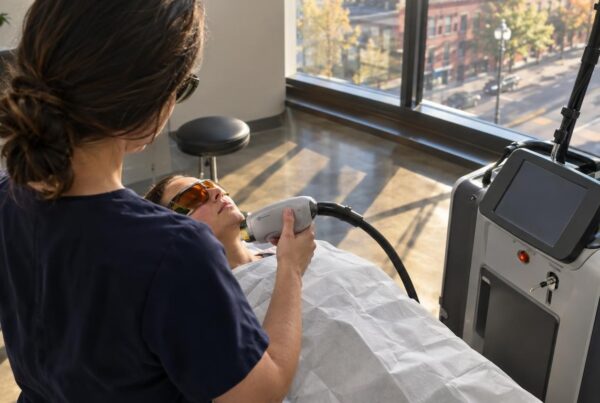
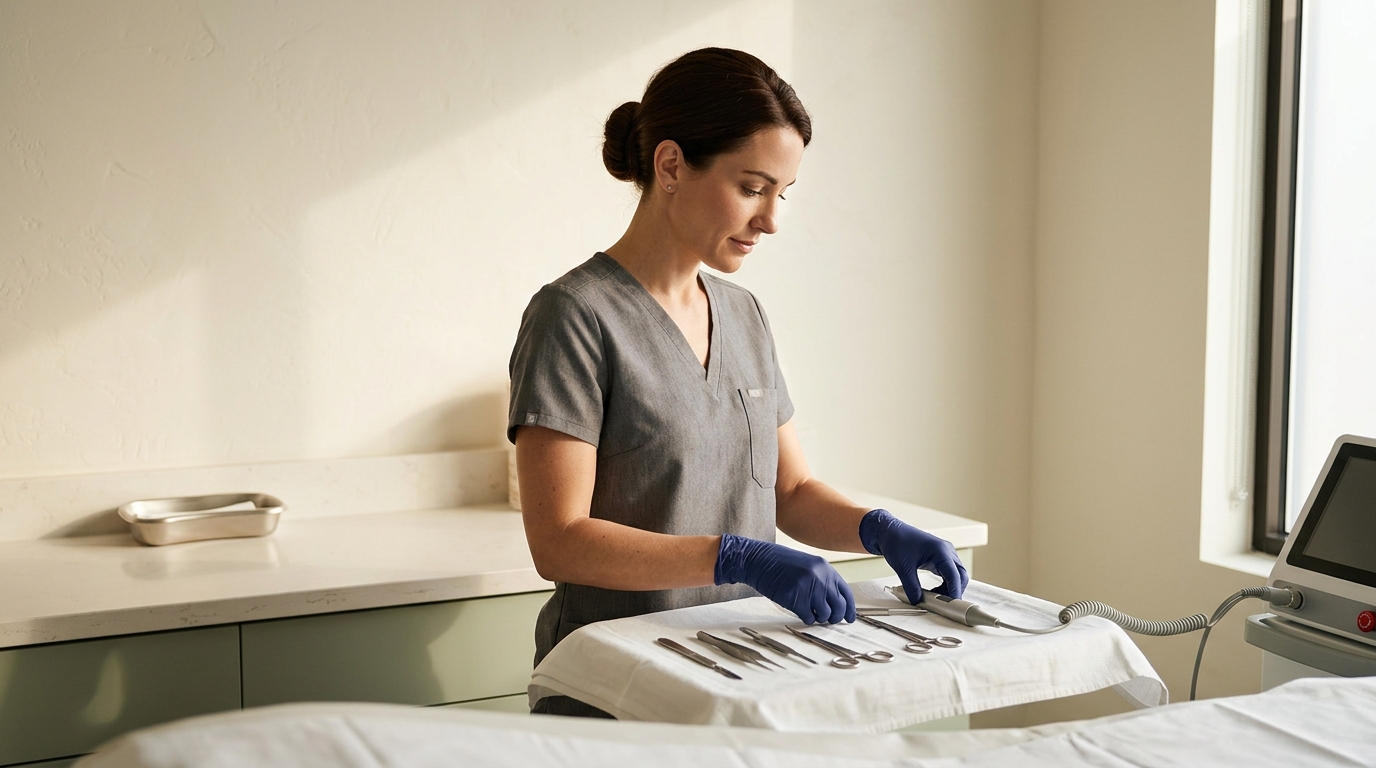
Surgical excision remains the gold standard when tissue biopsy is needed, as it allows complete pathological examination of the lesion. The provider cuts around and beneath the mole, typically with local anesthesia, then closes the site with sutures. Laser mole removal offers a non-invasive alternative for superficial, benign lesions, using concentrated light energy to break down pigment without cutting. Recovery time and scar risk differ between these approaches, making provider guidance essential for selecting the right method.
Which Removal Technique Works Best for Different Mole Types?
Raised, dark moles that extend into deeper skin layers generally require surgical excision to ensure complete removal and enable biopsy. Flat or lightly pigmented lesions may respond well to laser treatment, though multiple sessions sometimes achieve optimal results. Patients interested in learning more about what modern laser technology offers can explore Vip MediSpa’s guide to laser mole removal for additional context.
What Should Portland Patients Expect During Mole Removal Recovery?
Recovery expectations vary based on the removal technique used and the size and location of the treated lesion. Understanding the healing timeline helps patients plan accordingly and set realistic expectations for their cosmetic outcome. For a closer look at mole removal and healing, compare recovery timelines for laser treatment and surgical excision.
How Long Does It Take for Mole Removal Sites to Heal?
Most mole removal sites heal within two to three weeks when proper aftercare protocols are followed. Smaller lesions treated with laser may close within days, while surgical excision sites typically require suture removal at a follow-up appointment and continued monitoring. Complete scar maturation – during which the site continues to soften and fade – can extend several months beyond the initial healing period.
What Aftercare Steps Support Optimal Mole Removal Results?
Aftercare focuses on protecting the wound from infection while minimizing visible scarring. Patients should keep the site clean and moisturized according to their provider’s instructions, avoid sun exposure to the treated area, and refrain from picking at any scabbing or crusting. For individuals managing multiple benign growths, similar aftercare principles apply to seborrheic keratosis removal as well.
How Is AI Mole Screening Used at Portland-Area Practices?
Portland’s dermatology and med spa community increasingly incorporates AI-assisted screening into routine consultations. These tools provide objective data that complements visual examination, helping providers and patients make collaborative decisions about whether removal is necessary and which approach best fits the clinical picture.
What Questions Should You Ask Before Mole Removal?
Before proceeding with any removal procedure, patients should understand whether the lesion has been evaluated for malignancy risk, what removal technique is recommended and why, whether tissue will be sent for pathological analysis, and what scar management options exist. Asking about a practice’s screening capabilities – including any AI-assisted tools – helps patients gauge the thoroughness of their evaluation.
How Do Portland Med Spas and Plastic Surgery Practices Use AI Screening?
Med spas and plastic surgery practices in the Portland metro area – including those serving Milwaukie, Lake Oswego, Beaverton, and Happy Valley – use AI spectroscopy as a pre-procedure screening tool to stratify lesion risk. This information guides whether a patient is better served through medical excision with biopsy or cosmetic removal alone. In practice, AI screening helps reduce patient anxiety by providing concrete data about lesion characteristics, enabling more confident treatment recommendations.
Risks, Side Effects and Who Is Not a Candidate
Like any procedure, mole removal carries potential risks that patients should discuss with their provider. Common side effects include temporary redness, swelling, and mild discomfort at the treatment site. More uncommon complications include infection, bleeding, or adverse scarring. Patients with active skin infections, bleeding disorders, or conditions that impair wound healing should disclose their full medical history before proceeding. Individuals taking blood-thinning medications may require special consideration. Patients should discuss their complete health background with their clinician to determine whether mole removal is appropriate for their specific circumstances.
For Portland-area residents considering mole evaluation or removal, scheduling a consultation provides the opportunity to learn whether AI-assisted screening might benefit their individual situation. Patients in King City, Vancouver, Tigard, and surrounding communities are welcome to explore their options with a qualified provider who can assess their lesions and recommend a personalized approach.
Frequently Asked Questions
How does AI spectroscopy improve mole assessment before removal?
AI-enabled elastic scattering spectroscopy analyzes light scatter patterns from tissue to distinguish between benign and malignant skin lesions in real time. This technology provides objective data that supports clinical decision-making without requiring surgical biopsy. It serves as a decision-making aid rather than a replacement for professional judgment, helping providers recommend the most appropriate treatment path.
What is the difference between medical and cosmetic mole removal?
Medical mole removal addresses lesions showing signs of dysplasia, sitting in high-risk anatomical areas, or requiring tissue analysis for diagnostic clarity. Cosmetic mole removal focuses on improving skin appearance where no medical concern exists. AI screening assists in determining which category a particular lesion falls into, enabling more precise treatment planning regardless of the patient’s primary goal.
How do surgical and laser mole removal methods compare?
Surgical excision remains the gold standard when tissue biopsy is needed, allowing complete pathological examination by cutting around and beneath the mole with local anesthesia. Laser removal offers a non-invasive alternative for superficial, benign lesions, using concentrated light energy to break down pigment without cutting. Recovery time and scar risk differ significantly between these approaches, making provider guidance essential.
How long does mole removal take to heal completely?
Most mole removal sites heal within two to three weeks when proper aftercare protocols are followed. Smaller lesions treated with laser may close within days, while surgical excision sites typically require suture removal at a follow-up appointment. Complete scar maturation, during which the site continues to soften and fade, can extend several months beyond the initial healing period.
What aftercare steps support optimal mole removal results?
Aftercare focuses on protecting the wound from infection while minimizing visible scarring. Patients should keep the site clean and moisturized according to their provider’s instructions, avoid sun exposure to the treated area, and refrain from picking at any scabbing or crusting. Following these steps helps support the best possible cosmetic outcome and reduces complication risk. Our guide to face mole removal without scarring explores realistic outcomes and ways to minimize visible marks.
This article is general information and is not medical advice. Talk to a licensed clinician about your own situation before making a treatment decision.