Last updated: September 23, 2026
Portland-area treatment intervals of 4 to 6 weeks have become the standard recommendation for professional dermaplaning, and licensed providers in the Portland metro area follow strict safety protocols that set professional treatments apart from at-home methods. Understanding what these standards involve helps you make confident choices about this popular exfoliation technique. If you are wondering is dermaplaning safe, the answer depends largely on who performs the procedure and under what conditions.
Is Dermaplaning Safe? An Expert’s Perspective
Yes, professional dermaplaning is considered safe for most skin types when performed by a licensed and trained esthetician. Portland-area med spas follow strict protocols including proper sanitation, correct blade angles, and thorough skin assessments before every session. These standards help minimize risks such as cuts, irritation, and infection. Understanding is dermaplaning safe for your skin type starts with a consultation with a qualified provider who can assess your individual needs.
What Safety Standards Do Portland Med Spas Follow?
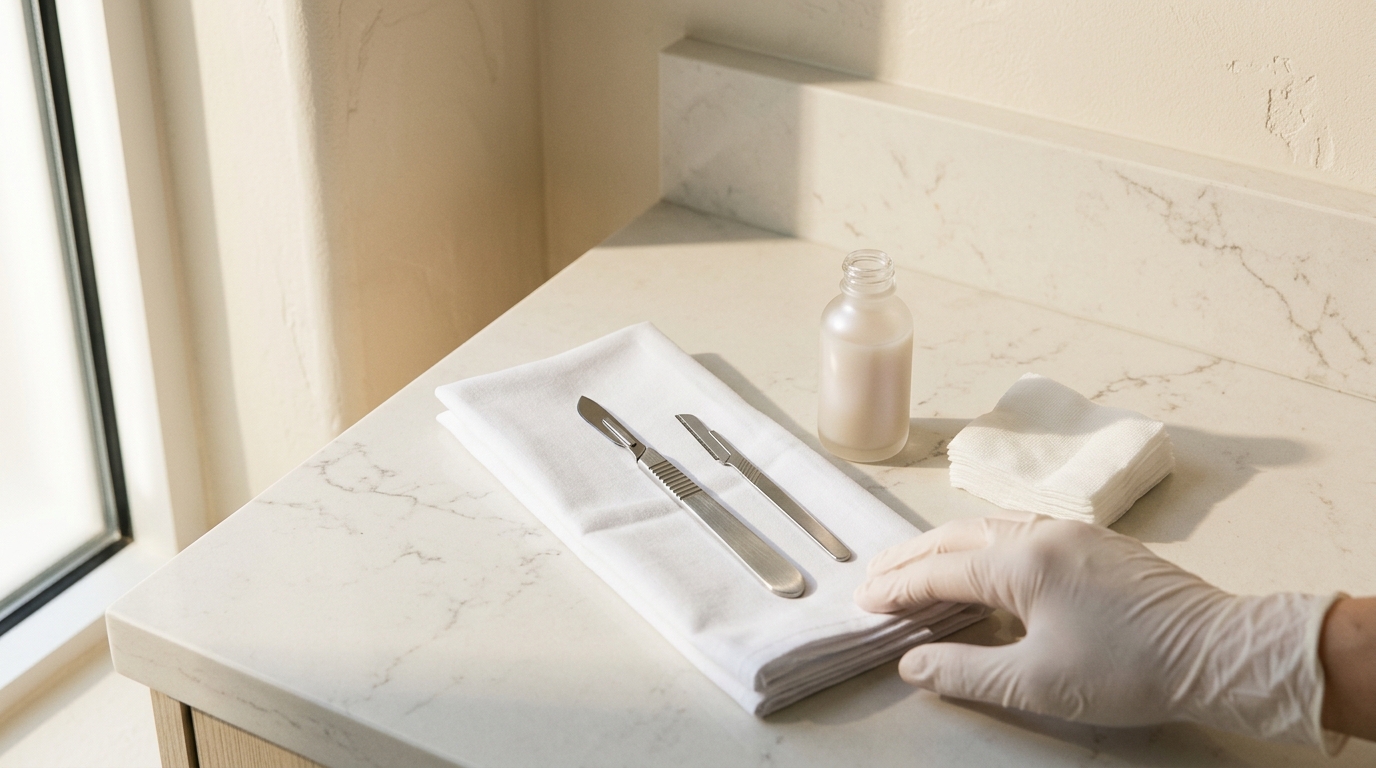
Licensed estheticians in Portland and surrounding communities including Lake Oswego, Beaverton, and Happy Valley use sterile surgical scalpels in controlled clinical settings. Proper lighting, sanitized workspaces, and post-treatment care instructions are standard practice in professional environments. These measures reduce risks compared to at-home kits that often come with poor lighting and no post-treatment guidance. According to the Mayo Clinic, professional exfoliation treatments performed by trained specialists carry significantly lower complication rates than unsupervised home methods.
How Does Professional Dermaplaning Differ From At-Home Methods?
Professional dermaplaning uses surgical scalpels that are sharper and provide more control, resulting in a cleaner cut and less irritation compared to consumer dermaplaning tools. This makes a significant difference in outcomes and safety. Professional dermaplaning at a qualified med spa ensures the technique, tools, and aftercare meet clinical standards that at-home kits cannot replicate.
What Is Dermaplaning and How Does It Work?
Dermaplaning is a non-invasive skin rejuvenation technique where a licensed esthetician uses a surgical blade at a precise angle to remove dead skin cells and vellus hair from the face. The blade gently scrapes away the outermost layer of skin to reveal a smoother, more even complexion underneath. Dermaplaning removes vellus hair, commonly known as peach fuzz, from the face for a smoother complexion.
What Tools Do Professionals Use for Dermaplaning?
Trained providers use surgical scalpels, not standard razors. These blades are sharper and designed to give precise control during the treatment, which creates a cleaner cut with less skin irritation than consumer-grade tools. The difference in blade quality contributes directly to both the smoothness of the result and the safety of the procedure.
How Does Dermaplaning Compare to Traditional Exfoliation?
Chemical exfoliants dissolve the bonds between skin cells, while physical scrubs sand down the surface. Dermaplaning removes the outermost skin layer entirely through a controlled scraping motion, offering deeper exfoliation than most at-home methods. Unlike stronger chemical peels, dermaplaning produces immediate results with no downtime. Many providers pair it with treatments like medical-grade chemical peels to enhance product absorption and overall skin rejuvenation. For a closer look at dermaplaning vs microdermabrasion, explore how each approach fits different skin goals.
What Skin Concerns Can Dermaplaning Address?
Dermaplaning effectively targets dull, rough, and flaky skin by removing the outermost layer where buildup occurs. The treatment smooths texture, supports cell turnover, and can reduce the appearance of fine lines, uneven tone, and minor discoloration over time.

Can Dermaplaning Help With Dull Skin and Rough Texture?
Dull skin and rough texture often result from dead skin cells accumulating on the surface. Removing that layer during dermaplaning immediately reveals smoother, more radiant skin underneath. The treatment also helps flaky skin by clearing the buildup that makes the surface feel uneven and rough to the touch.
Does Dermaplaning Improve Uneven Skin Tone and Fine Lines?
Uneven skin tone and fine lines respond well to dermaplaning because removing the outermost layer of dead cells allows the skin’s natural renewal process to work more efficiently. Over time, this supports a clearer complexion and can soften the appearance of fine lines. Combining dermaplaning with treatments like microneedling for skin rejuvenation or laser therapies can further support collagen production and address more advanced signs of aging.
What Should You Expect During a Professional Dermaplaning Treatment?
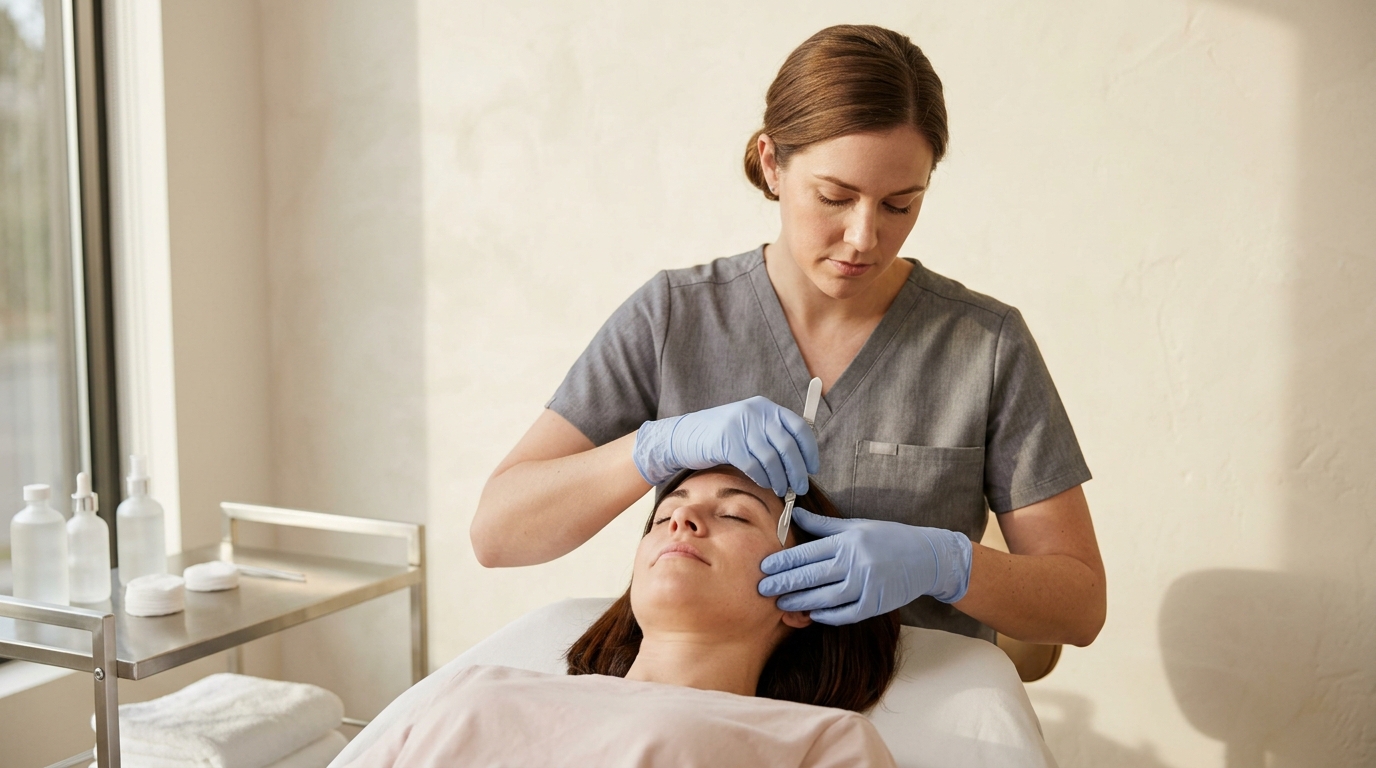
A professional dermaplaning session at a Portland-area med spa begins with a skin assessment and thorough cleansing, followed by the exfoliation treatment using a surgical scalpel held at a precise angle. The session concludes with the application of soothing serums and sunscreen to protect the freshly exposed skin. The treatment is performed in a clean, well-lit treatment room with clinical-grade tools.
How Long Does a Dermaplaning Session Take?
Most professional dermaplaning sessions take 20 to 30 minutes. The treatment is relatively quick compared to other facial rejuvenation procedures, making it easy to fit into a schedule. Portland-area providers often offer dermaplaning as a standalone treatment or as part of a comprehensive facial.
What Does the Treatment Feel Like?
Clients typically describe the sensation as a light, scraping feeling across the skin. The procedure is not painful, though some individuals may feel mild sensitivity. Redness immediately after treatment is common and usually fades within a few hours. There is no required downtime, so most clients return to normal activities right away.
How Often Should You Get Dermaplaning?
Most Portland-area med spas recommend scheduling professional dermaplaning every 4 to 6 weeks. This interval aligns with the skin’s natural renewal cycle and helps maintain consistent improvements in texture and tone. Regular sessions at this frequency support ongoing cell turnover without over-exfoliating.
Why Do Portland Med Spas Recommend 4-6 Week Intervals?
The 4-to-6-week standard reflects the typical length of the skin’s natural renewal cycle, during which new skin cells rise to the surface and old cells shed away. Spacing treatments within this window helps keep dead cell buildup to a minimum while giving the skin adequate time to recover between sessions.
What Happens If You Wait Longer Between Treatments?
Going beyond 6 weeks between sessions allows dead skin cells and oils to accumulate again, which gradually diminishes the smoothness achieved during treatment. Waiting longer does not cause harm, but it does mean the benefits fade before the next appointment. A trained provider can help determine the ideal schedule based on individual skin needs.
Risks, Side Effects and Who Is Not a Candidate
Dermaplaning is generally well-tolerated and safe for most people, but like any skin treatment, it carries potential side effects and is not suitable for everyone. Understanding the risks and contraindications helps you make an informed decision with your provider.
Common side effects include mild redness, slight sensitivity, and tiny nicks that typically heal within hours. Rare but more serious complications can include infection, scarring, or skin discoloration, usually linked to improper technique, inadequate sterilization, or undisclosed medical factors. A thorough consultation before treatment allows the provider to review skin condition, medications, and health history to identify any reasons to postpone or modify the approach.
Individuals with active cystic acne, open wounds, or skin infections should avoid dermaplaning until the condition heals, as running a blade over inflamed skin can worsen irritation and spread bacteria. Those with a history of herpes simplex outbreaks should inform their provider, as the treatment could trigger a flare-up. People using certain medications that increase skin sensitivity or thin the skin should discuss potential risks with a qualified clinician before treatment. A licensed provider reviews these factors during the pre-treatment consultation to ensure dermaplaning is appropriate for each individual’s skin needs.
Professional dermaplaning performed by a licensed esthetician in a clinical setting follows safety standards that make it a reliable option for most adults seeking smoother, more radiant skin. Understanding what the treatment involves, how often to schedule sessions, and who should avoid it empowers you to approach the decision with confidence.
For personalized guidance on whether dermaplaning is right for your skin, schedule a consultation at Vip MediSpa. Our team serves clients in Portland, Lake Oswego, Beaverton, Happy Valley, and the surrounding communities, including Tigard, West Linn, Milwaukie, King City, Durham, Maywood Park, Fairview, and Vancouver, Washington. Contact Vip MediSpa today to discuss your skin goals with a qualified provider and take the next step toward healthier, more radiant skin.
Frequently Asked Questions
Is dermaplaning safe?
Yes, professional dermaplaning is considered safe for most skin types when performed by a licensed and trained esthetician. Portland-area med spas follow strict protocols including proper sanitation, correct blade angles, and thorough skin assessments before every session. These standards help minimize risks such as cuts, irritation, and infection.
How long does a dermaplaning session take?
Most professional dermaplaning sessions take 20 to 30 minutes. The treatment is relatively quick compared to other facial rejuvenation procedures, making it easy to fit into a schedule. Portland-area providers often offer dermaplaning as a standalone treatment or as part of a comprehensive facial.
How often should you get dermaplaning?
Most Portland-area med spas recommend scheduling professional dermaplaning every 4 to 6 weeks. This interval aligns with the skin’s natural renewal cycle and helps maintain consistent improvements in texture and tone. Regular sessions at this frequency support ongoing cell turnover without over-exfoliating.
What does dermaplaning feel like?
Clients typically describe the sensation as a light, scraping feeling across the skin. The procedure is not painful, though some individuals may feel mild sensitivity. Redness immediately after treatment is common and usually fades within a few hours. There is no required downtime, so most clients return to normal activities right away.
Who should avoid dermaplaning?
Individuals with active cystic acne, open wounds, or skin infections should avoid dermaplaning until the condition heals, as running a blade over inflamed skin can worsen irritation and spread bacteria. Those with a history of herpes simplex outbreaks should inform their provider, as the treatment could trigger a flare-up. People using certain medications that increase skin sensitivity should discuss potential risks with their clinician before treatment.
What skin concerns can dermaplaning address?
Dermaplaning effectively targets dull, rough, and flaky skin by removing the outermost layer where buildup occurs. The treatment smooths texture, supports cell turnover, and can reduce the appearance of fine lines, uneven tone, and minor discoloration over time.
How does professional dermaplaning differ from at-home methods?
Professional dermaplaning uses surgical scalpels that are sharper and provide more control, resulting in a cleaner cut and less irritation compared to consumer dermaplaning tools. Professional treatment at a qualified med spa ensures the technique, tools, and aftercare meet clinical standards that at-home kits cannot replicate.
Related reading
This article is general information and is not medical advice. Talk to a licensed clinician about your own situation before making a treatment decision.