

Last updated: October 1, 2026
When considering non-surgical options to address loose, sagging skin, many patients in Portland and Vancouver find themselves comparing Thermage versus Ultherapy. Both treatments offer a way to tighten and rejuvenate skin without the downtime of surgery, making them appealing choices for those seeking natural-looking results. Understanding the differences between these two popular skin tightening technologies can help you determine which approach aligns best with your aesthetic goals.
What Is Thermage and What Is Ultherapy?
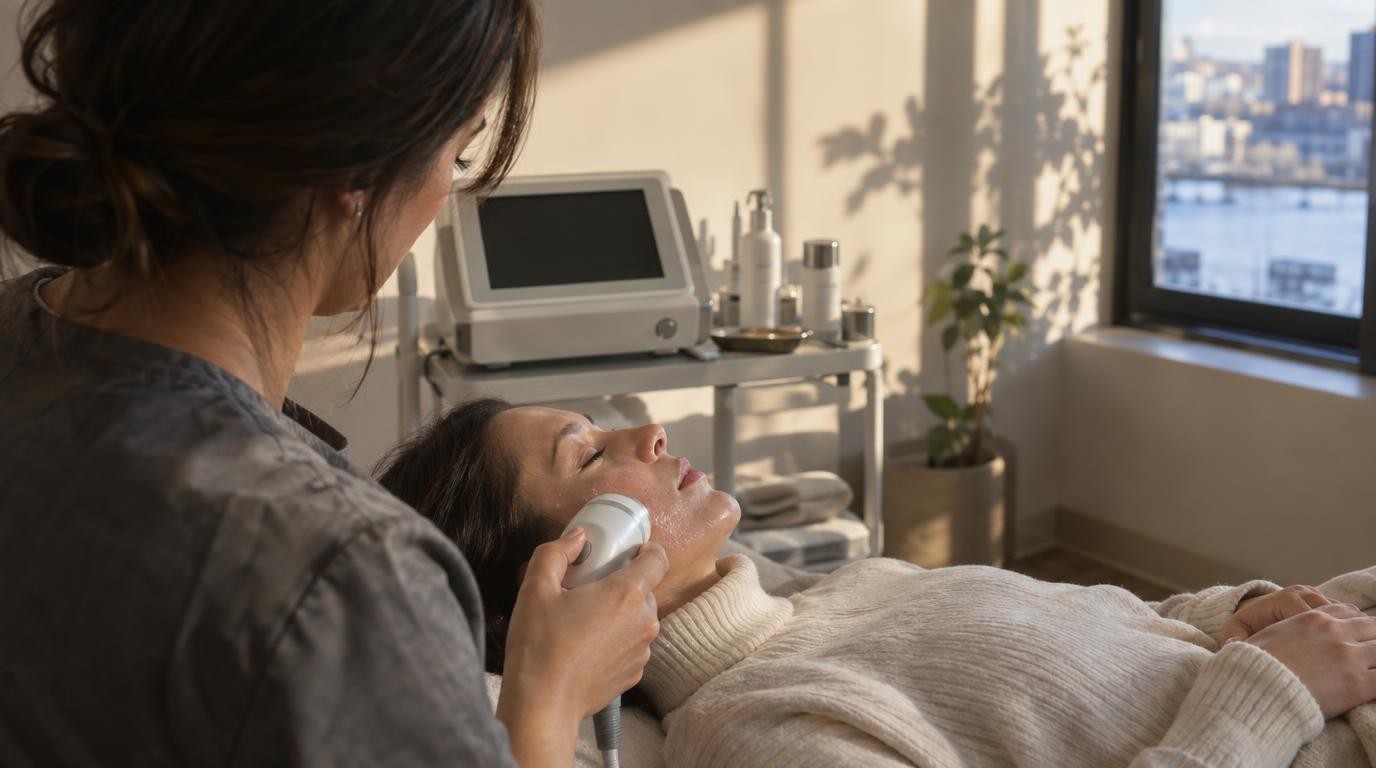
Thermage and Ultherapy are both non-invasive skin tightening treatments designed to stimulate collagen production and improve skin laxity. Thermage uses radio frequency energy to heat the deeper layers of skin, while Ultherapy relies on focused ultrasound energy to target the same underlying structural layers. Both procedures are performed in an office setting without the need for general anesthesia, allowing patients to resume normal activities immediately after treatment.
How Does Thermage Work?
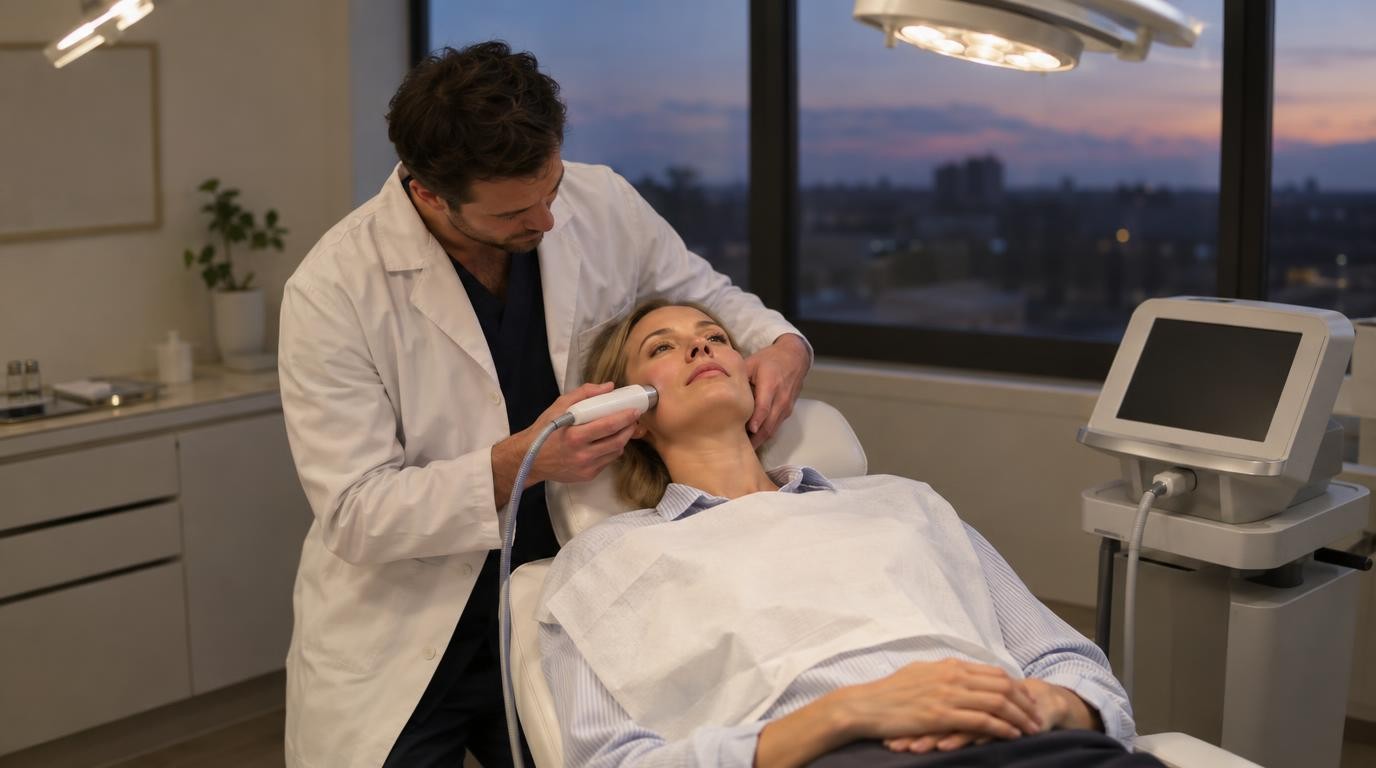
Thermage delivers controlled radio frequency energy directly into the dermis, the deep layer of skin where collagen resides. This thermal energy causes existing collagen fibers to contract while triggering the body’s natural healing response to produce new collagen over time. The treatment uses a handheld device with a cooling mechanism to protect the outer skin layer while the radio frequency energy penetrates to the target depth. Patients typically experience a warming sensation during the procedure, and results develop gradually as new collagen forms in the weeks and months following the session.
How Does Thermage Differ From Ultherapy?
The fundamental difference between these two treatments lies in their energy sources: radio frequency versus ultrasound. While both technologies aim to stimulate collagen production in the deep skin layers, they deliver energy in distinct ways that affect treatment depth, sensation, and visualization capabilities.
Radio Frequency vs Ultrasound: Which Technology Works Better?
Radio frequency energy in Thermage heats tissue uniformly across a broader area, making it effective for overall skin tightening and texture improvement. Ultherapy’s ultrasound technology allows practitioners to see precisely which layers of tissue they are treating through real-time imaging, enabling targeted energy delivery to specific depths. Each approach has demonstrated effectiveness for skin lifting and tightening, and the choice often depends on the treatment area and individual patient factors. In clinical practice, both modalities are considered established options for non-surgical skin rejuvenation. For a closer look at Thermage for skin tightening, explore who benefits and what to expect from treatment.
What Areas Can Thermage and Ultherapy Treat?
Both Thermage and Ultherapy can address skin laxity on the face and body, though their strengths may vary depending on the treatment area. Understanding which areas each technology targets most effectively can guide your decision when discussing options with your provider.
Can Both Treatments Address the Face and Neck?
Thermage is FDA-cleared for treatment of the face, eyes, and body, including areas such as the abdomen, arms, and thighs. Ultherapy is commonly used on the brow, chin, neck, and décolletage, with specific FDA clearance for lifting the skin on the neck and under the chin. For patients concerned about loose skin on multiple areas of the face and body, Thermage offers versatility, while Ultherapy is often selected for its precision in lifting specific facial areas. The choice depends on your primary areas of concern and the recommendations of your treatment provider.
Who Is a Good Candidate for Thermage or Ultherapy?
Ideal candidates for both Thermage and Ultherapy are adults with mild to moderate skin laxity who prefer non-surgical approaches to skin tightening. These treatments work best for individuals who have noticed a gradual loss of skin firmness but do not require the dramatic results that surgical procedures provide. Patients should be in good overall health and have realistic expectations about what non-invasive procedures can achieve.
What Skin Types Work Best With These Treatments?
Both Thermage and Ultherapy are generally suitable for all skin types, as the energy technologies target the deeper skin layers rather than the surface. Patients with concerns about loose skin on the face, neck, jowls, or body can explore these options regardless of skin tone. A thorough consultation with a qualified provider helps determine which treatment aligns with your specific skin condition, aesthetic goals, and medical history.
Risks, Side Effects and Who Is Not a Candidate
Both Thermage and Ultherapy are considered safe procedures with minimal risks when performed by experienced practitioners. Common side effects may include temporary redness, swelling, tingling, or tenderness in the treated area, which typically resolve within hours to days after the procedure. Some patients may experience temporary numbness or bruising, though these effects are less common.
Individuals who are pregnant, have active skin infections in the treatment area, or have certain electronic medical devices implanted should discuss their specific situation with a qualified provider before undergoing either treatment. Patients with severe skin laxity may find that surgical options provide more significant results, and a consultation can help clarify which approach best addresses your concerns.
Always discuss your complete medical history and any medications you are taking with your provider to ensure these treatments are appropriate for you. Understanding both the benefits and limitations helps ensure a positive treatment experience.
If you are considering non-surgical skin tightening and want to learn whether Thermage or Ultherapy is right for you, Vip MediSpa welcomes the opportunity to guide your journey. Our team in Portland, Oregon serves patients throughout the Vancouver area and surrounding communities. Contact us to schedule a consultation and explore your options for achieving firmer, more youthful-looking skin.
Frequently Asked Questions
How long does it take to see results from Thermage or Ultherapy?
Results develop gradually over several weeks and months as new collagen forms. Both treatments trigger the body’s natural healing response, so initial improvements appear within weeks while the full effect continues developing in the months following your session. For a closer look at Thermage before and after, learn when changes typically become visible after treatment.

What does the treatment feel like during a Thermage or Ultherapy session?
Thermage produces a warming sensation during treatment, while Ultherapy may create tingling or tenderness in the targeted area. Both procedures are performed in-office without general anesthesia, and the cooling mechanism in Thermage protects the outer skin layer for greater comfort.
How long do the results from skin tightening treatments typically last?
Both Thermage and Ultherapy stimulate long-lasting collagen production, though results are not permanent. Most patients enjoy improvements for a year or longer before considering maintenance treatments. Individual factors such as skin condition and aging progression affect how long results remain visible.
How many treatment sessions are needed for optimal skin tightening?
Most patients achieve their desired outcome with a single treatment session for either Thermage or Ultherapy. The treatment device is applied once during the office visit, and results continue improving over time. Your provider may recommend additional sessions based on your specific goals.
What is the downtime after Thermage or Ultherapy procedures?
Both treatments require minimal to no downtime, allowing patients to resume normal activities immediately after leaving the office. Temporary side effects such as redness, swelling, or tenderness typically resolve within hours to days following the procedure.
Can Thermage and Ultherapy address loose skin on the body, not just the face?
Thermage is FDA-cleared for treatment of the face, eyes, and body, including areas such as the abdomen, arms, and thighs. Ultherapy is commonly selected for precision lifting of facial areas like the brow, chin, neck, and décolletage. Discuss your target areas with your provider.
What should I discuss with my provider during a skin tightening consultation?
Your consultation should cover your specific skin condition, aesthetic goals, and complete medical history including any medications and electronic implants. This helps determine whether Thermage, Ultherapy, or another approach best addresses your concerns about skin laxity.
Related reading
- Can Laser Skin Resurfacing Tighten Loose Skin?
- Skin Tightening in Portland: Compare Treatments, Costs, and Results
- Warty Skin Growth on Your Face or Neck? How to Know What It Is and When
This article is general information and is not medical advice. Talk to a licensed clinician about your own situation before making a treatment decision.






